

Destination guide · Timor-Leste
Dili & Atauro Island Diving
Timor-Leste offers two complementary dive settings: Dili’s accessible coastal habitats and Atauro’s steeper island reefs. Together they create a journey with a sense of discovery, framed by local life and the deep water between the mainland and the island.
Dili & Atauro Island at a glance
Timor-Leste offers one of the least crowded land-based dive experiences in the Coral Triangle. Dili’s coast provides accessible shore reefs and macro sites, while Atauro Island adds clearer blue water, steep reef profiles and a stronger remote-island feeling.
Atauro’s biodiversity is exceptional: a 2016 marine survey recorded extraordinarily high reef-fish richness around the island. The deep waters between Atauro and the mainland also form part of an important cetacean corridor, adding a seasonal whale-and-dolphin dimension that should be treated as a separate natural-history highlight rather than a guaranteed dive encounter.
Planning your Dili & Atauro stay
Split the stay between Dili and Atauro if you want both shore-access macro and island reef scenery. A single Atauro base suits a quieter reef-focused holiday. Allow roughly a week or more for a combined trip, with boat-transfer days clearly separated from full diving days.
When to dive Dili & Atauro
April to November is a useful general starting window, with October and November associated with seasonal cetacean interest in the wider waters. Diving conditions and sea crossings remain variable. Plan wildlife outings separately from the reef programme.
Planning window: Best April–November · whale migration in October and November.
What the diving is like
Open Water can suit easier Dili shore dives; Advanced experience is preferred for Atauro walls, remote boat sites and stronger conditions.
Atauro’s reef diversity
Atauro combines steep reef structure, clear water and remarkable fish diversity with very low dive-boat traffic. The strongest trips allow enough time to sample several sides of the island rather than relying on one or two famous sites.
Dili shore macro
Sites along the Dili coast add rubble, sand and pier-style habitats for nudibranchs, small fish and other macro subjects. They provide a useful contrast to Atauro’s reef-focused wide-angle diving.
Coastal reef road
East and west of Dili, shore-access reefs can be reached along the coast and selected according to tide, road conditions and sea state. K41 and other coastal sites are part of this flexible land-based diving style.
Seasonal cetacean corridor
The deep channel around Atauro and northern Timor-Leste is used by whales and dolphins. Boat-based encounters are seasonal and conditions-led; animals must be approached under local wildlife procedures and never promised in advance.
DIVE SITE GUIDE
Dive sites in Dili & Atauro Island
Explore the character of individual sites, from the setting and marine life to the diving conditions. Open a card for the full description; site access and the final profile depend on conditions and experience.
ORIENTATION MAP
Where the dive sites are
Use the map to understand how the key sites are spread around the destination. Pins are for trip-planning orientation only; entry points, moorings and the final dive plan are always confirmed by the local operator on the day.
Coordinates are planning references compiled from current dive-site sources. They are not navigation coordinates; entry points, moorings, tide windows and the final dive plan are always confirmed by the local operator on the day.
Wall · Reef · Deep drop-off
Adara 1 & 2, Atauro
Adara is one of the dives that explains Atauro’s reputation for dramatic underwater topography.
Explore this dive site
- Type
- Wall · Reef · Deep drop-off
- Depth
- 5–40 m
- Experience
- Advanced
- Current
- Moderate–Strong
Adara is one of the dives that explains Atauro’s reputation for dramatic underwater topography. The reef begins shallow and then drops sharply, with coral, fans and dense reef-fish life running down the face into deep blue water.
The wall encourages wide-angle photography, but it also makes depth control important because there is little visual bottom reference once divers move off the ledge. Current can build along the island, so guides choose between Adara sections and adjust the direction to keep the group in a manageable flow. The best dives spend enough time in the shallows to appreciate the coral before moving deeper — the experience is not improved simply by descending as far as certification allows.
Look for: Atauro wall · Clear-water potential · Coral & fans · Advanced depth control
Best for: Steep walls · Coral · Clear water · Wide angle
Reef · Coral garden
Secret Garden, Atauro
Secret Garden is a more reef-focused Atauro dive, built around coral detail and fish density rather than extreme depth or speed.
Explore this dive site
- Type
- Reef · Coral garden
- Depth
- 8–25 m
- Experience
- Open Water–Intermediate
- Current
- Mild–Moderate
Secret Garden is a more reef-focused Atauro dive, built around coral detail and fish density rather than extreme depth or speed. Hard coral, softer growth and reef fish fill the slope, giving photographers useful subjects from wide-angle reef scenes down to smaller life between the coral heads.
The moderate depth range makes it accessible to many certified divers, although current can still change the character of the site and the route is selected locally. It is a strong choice for a first Atauro dive because it introduces the island’s coral quality without requiring the group to begin on the most exposed wall, and it remains rewarding for experienced divers who simply want time to look closely.
Look for: Coral garden · Moderate depth · Reef-fish diversity · Good first Atauro dive
Best for: Coral diversity · Reef fish · Photography
Wall · Blue-water scanning
Whale Shark Wall, Atauro
Whale Shark Wall should be chosen for the wall first and its name second.
Explore this dive site
- Type
- Wall · Blue-water scanning
- Depth
- 10–35 m
- Experience
- Advanced
- Current
- Moderate–Strong
Whale Shark Wall should be chosen for the wall first and its name second. The reef falls steeply beside deep water, giving divers coral scenery and a natural reason to keep checking the blue for passing pelagics.
Whale sharks have been reported in the broader Timor-Leste region and local seasonal observations are part of the site’s reputation, but an encounter is never guaranteed and should not be the sole reason for the dive. Depth and current make the site better suited to experienced divers who can maintain a stable profile beside a drop-off. Even on a day with no large animal, the scale of the wall and open-ocean setting deliver the kind of wide-angle dive Atauro does especially well.
Look for: Steep wall · Pelagic potential · Whale sharks possible seasonally · Advanced profile
Best for: Wall diving · Pelagic potential · Wide angle
Reef garden · Slope
Atauro Garden
Atauro Garden provides a gentler way to experience the island’s reef system.
Explore this dive site
- Type
- Reef garden · Slope
- Depth
- 5–20 m
- Experience
- Open Water
- Current
- Usually mild
Atauro Garden provides a gentler way to experience the island’s reef system. The dive stays in a comfortable recreational depth range over coral garden and slope, giving new or relaxed divers time to concentrate on buoyancy, fish life and the details of the reef rather than on depth or fast current.
The shallow profile also makes it attractive for photographers who want natural light and long bottom time. Conditions still depend on wind and tide, and 'easy' in Atauro never means ignoring the guide, but the site gives mixed-experience groups a useful option alongside the island’s deeper walls. It is especially good as a second or third dive when the goal is to slow the day down.
Look for: Shallow coral · Open Water friendly · Long bottom time · Relaxed photography
Best for: Easy reef diving · Coral · Long shallow profiles
Shore dive · Reef slope
K41 / Pertamina Pier
K41 is one of the best-known road-access dives east of Dili, allowing divers to step into clear north-coast water without a long boat transfer.
Explore this dive site
- Type
- Shore dive · Reef slope
- Depth
- 5–30 m
- Experience
- Open Water–Intermediate
- Current
- Mild–Moderate
K41 is one of the best-known road-access dives east of Dili, allowing divers to step into clear north-coast water without a long boat transfer. The site descends from shallow reef into a slope where coral, reef fish and smaller photographic subjects can be explored at several depths.
Its popularity comes from that flexibility: it can be a straightforward shore dive in favorable conditions or a more extended reef profile for experienced divers. The exact entry and practical access can vary with road, tide and local conditions, so the map pin is deliberately an area reference rather than a navigation point. Divers should follow the operator’s current entry plan rather than walking toward a saved GPS coordinate.
Look for: Popular shore dive · Flexible depth · Coral & macro · Road-access north coast
Best for: Shore diving · Coral · Macro + reef
Shore · Muck / macro · Sand
Tasi Tolu
Tasi Tolu is the macro counterpoint to Atauro’s walls.
Explore this dive site
- Type
- Shore · Muck / macro · Sand
- Depth
- 3–25 m
- Experience
- Beginner–Intermediate
- Current
- Usually mild
Tasi Tolu is the macro counterpoint to Atauro’s walls. Close to Dili, the dive follows sand, rubble and smaller habitat where guides slow the pace and search for seahorses, pipefish, nudibranchs, frogfish and other cryptic animals.
Visibility and scenery are not the point; the site rewards divers who can hover calmly over the bottom and look at details that would disappear on a faster reef dive. The moderate depth and usually manageable current make it accessible, but fine substrate means careless finning can quickly reduce visibility for everyone behind. For photographers, it adds genuine variety to a Timor-Leste itinerary and means a Dili stay is more than simply a transit stop before Atauro.
Look for: Dili macro site · Muck-style habitat · Seahorse potential · Shore access
Best for: Macro · Seahorses · Critter hunting · Easy shore access
Wall · Reef · Shore/boat
Cristo Rei Wall
Cristo Rei gives divers a wall-and-reef experience within easy reach of Dili.
Explore this dive site
- Type
- Wall · Reef · Shore/boat
- Depth
- 5–30 m
- Experience
- Open Water–Intermediate
- Current
- Mild–Moderate
Cristo Rei gives divers a wall-and-reef experience within easy reach of Dili. The underwater terrain drops away from shallower coral into a steeper face, allowing the group to choose a profile that matches certification while still enjoying vertical scenery.
Reef fish, coral and smaller subjects occupy the wall, and the open water beside it can bring occasional larger visitors without making them the focus of the dive. Compared with the most remote Atauro sites, logistics are simpler, making Cristo Rei useful on arrival or departure days when a full island transfer would not be practical. Depth can still increase quickly beside the wall, so a deliberate maximum depth keeps the dive relaxed.
Look for: Dili wall dive · Flexible profile · Coral & reef fish · Convenient logistics
Best for: Wall scenery · Dili access · Reef fish
Reef · Slope · Shore dive
Dili Rock
Dili Rock is a practical north-coast dive that still offers enough depth and structure to interest experienced visitors.
Explore this dive site
- Type
- Reef · Slope · Shore dive
- Depth
- 8–30 m
- Experience
- Intermediate–Advanced
- Current
- Moderate
Dili Rock is a practical north-coast dive that still offers enough depth and structure to interest experienced visitors. The reef and slope move from shallower coral toward deeper sections where fish activity and larger reef features become more prominent.
Current can be more noticeable than at the sheltered macro sites, so it is better approached by divers comfortable with maintaining position and depth from a shore-based start. The site works well in a Dili programme because it adds a more expansive reef dive without requiring the transfer to Atauro, and it can be paired with a slower macro site for contrast. As with all coastal entries, the operator decides the safe access point based on the day’s sea and road conditions.
Look for: Dili reef · Deeper shore profile · Moderate current · Good contrast to macro sites
Best for: Reef structure · Fish life · Dili day diving
Underwater photography
At Adara 1 & 2, Atauro, steep walls, Coral, Clear water, Wide angle give an idea of the photographic possibilities. Choose the camera setup for the planned sites, then leave time to observe the scene before making the image. Repeating a productive dive often creates better opportunities than constantly searching for a different location. For reef scenes, use the shape of the reef and the available light to give the image depth. A diver at a respectful distance can provide scale without crowding an animal.
Beyond diving: Dili & Atauro above the surface
Dili adds history, coastal walks, coffee culture and the Cristo Rei area to a dive trip. Atauro has a different pace, with villages, local crafts, guided walks and snorkelling giving non-divers a worthwhile island stay.
Whale and dolphin outings are a separate natural-history activity in the wider region. They should be approached with respectful boat behaviour and realistic expectations. A combined Dili and Atauro itinerary gives time to enjoy both settings rather than treating the capital only as a transfer point.
Getting to Dili & Atauro
Dili (DIL) is the international gateway. Dili diving is accessed by road along the coast, while Atauro requires a scheduled ferry or private/resort boat transfer. Transfer days and baggage handling should be confirmed before flights are fixed.
Choose arrival and departure times around the onward transfer, especially when a boat crossing or a long road journey is involved. Leave space for a relaxed final day ashore and an appropriate interval between the last dive and flying.
Dili & Atauro diving questions
What makes Dili & Atauro worth a diving trip?
Timor-Leste offers two complementary dive settings: Dili’s accessible coastal habitats and Atauro’s steeper island reefs. Together they create a journey with a sense of discovery, framed by local life and the deep water between the mainland and the island.
How should I plan my stay?
Split the stay between Dili and Atauro if you want both shore-access macro and island reef scenery. A single Atauro base suits a quieter reef-focused holiday. Allow roughly a week or more for a combined trip, with boat-transfer days clearly separated from full diving days.
When is a useful time to visit?
April to November is a useful general starting window, with October and November associated with seasonal cetacean interest in the wider waters. Diving conditions and sea crossings remain variable. Plan wildlife outings separately from the reef programme.
Is there enough for non-diving companions?
Dili adds history, coastal walks, coffee culture and the Cristo Rei area to a dive trip. Atauro has a different pace, with villages, local crafts, guided walks and snorkelling giving non-divers a worthwhile island stay.
A closer look at Dili & Atauro Island





Plan your Dili & Atauro trip
Tell us the experiences you most want, your preferred dates and how you like to travel. We can bring the destination, accommodation and diving into one coherent itinerary.
Plan my tripPhoto credits
Images are resized for display and may be cropped to fit the page layout.
- Approaching the coast of Atauro Island by outrigger boat, Timor-Leste: Toward Atauro Island (5211202548).jpg — Frank Starmer from Plant City, USA. CC BY-SA 2.0. Web-size image supplied by Wikimedia Commons; no scene edits.
- Coral reef at Dili Rock West, Timor-Leste: 14-EastTimor-Dive Dili-Rock-West 32 (Coral Reef)-APiazza.JPG — Andrepiazza. CC BY-SA 3.0. Web-size image supplied by Wikimedia Commons; no scene edits.
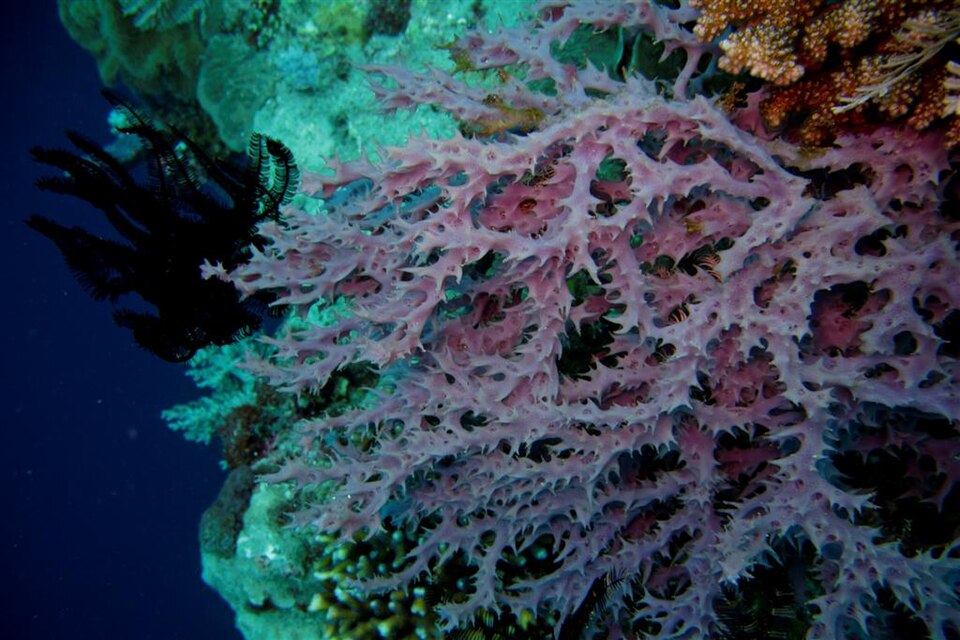
- Pink soft coral photographed while diving at Atauro Island: 36-EastTimor-Dive Atauro 67 (Coral)-APiazza.JPG — Andrepiazza. CC BY-SA 3.0. Web-size image supplied by Wikimedia Commons; no scene edits.
- Colourful nudibranch among marine growth at Atauro Island: 36-EastTimor-Dive Atauro 17 (Nudibranch Nembrotha-Aurea)-APiazza.JPG — Andrepiazza. CC BY-SA 3.0. Web-size image supplied by Wikimedia Commons; no scene edits.
- Giant clam with a patterned mantle on an Atauro reef: 39-EastTimor-Dive Atauro 59 (Clam)-APiazza.JPG — Andrepiazza. CC BY-SA 3.0. Web-size image supplied by Wikimedia Commons; no scene edits.
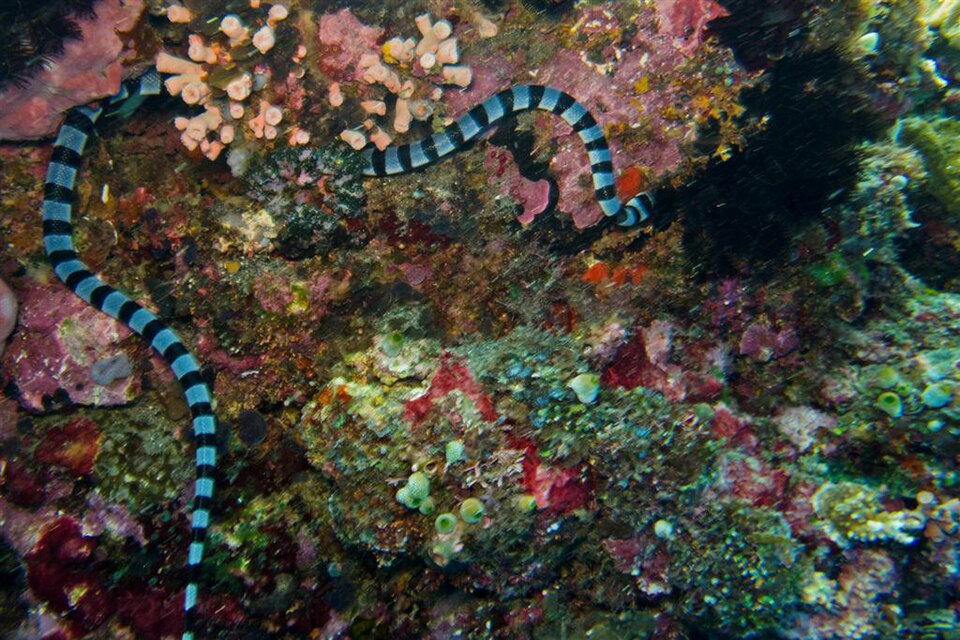
- Banded sea krait on the reef at Atauro Island: 39-EastTimor-Dive Atauro 68 (Sea Snake)-APiazza.JPG — Andrepiazza. CC BY-SA 3.0. Web-size image supplied by Wikimedia Commons; no scene edits.
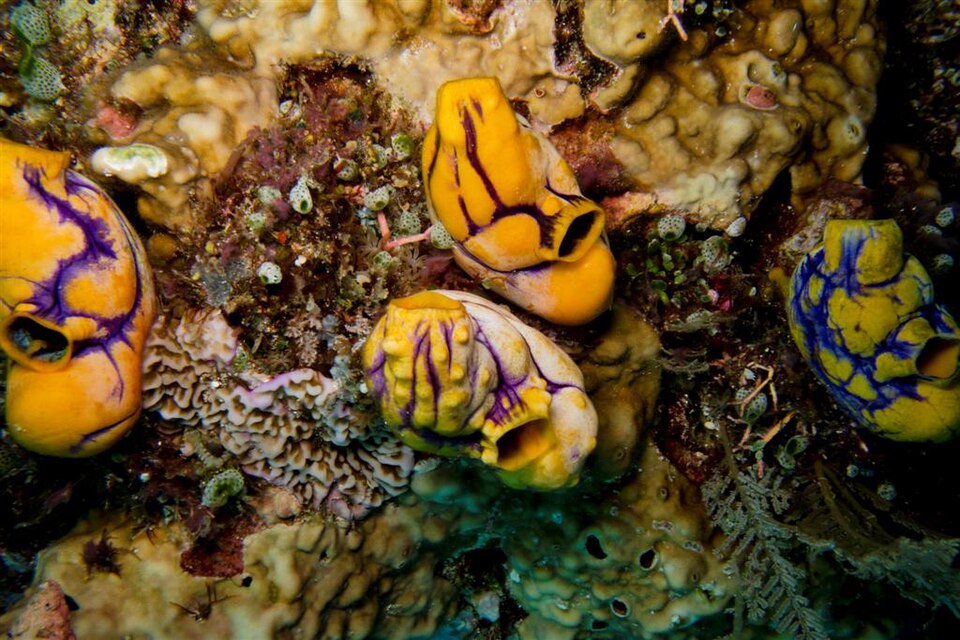
- Colourful tunicates on the reef at Atauro Island: 39-EastTimor-Dive Atauro 30 (Corals)-APiazza.JPG — Andrepiazza. CC BY-SA 3.0. Web-size image supplied by Wikimedia Commons; no scene edits.
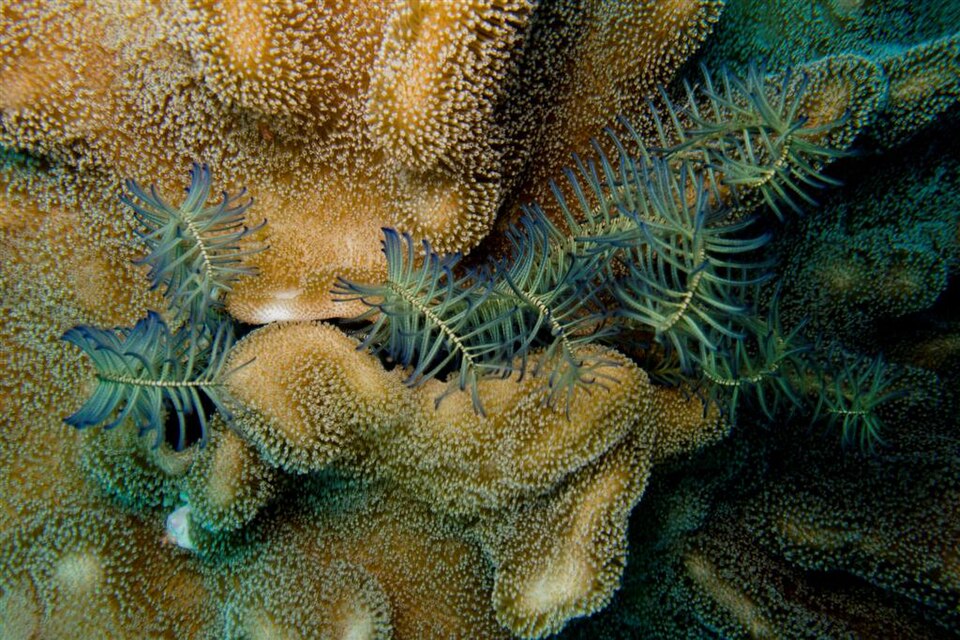
- Feather stars spread across corals at Atauro Island: 39-EastTimor-Dive Atauro 11 (Coral)-APiazza.JPG — Andrepiazza. CC BY-SA 3.0. Web-size image supplied by Wikimedia Commons; no scene edits.
- Translucent pelagic tunicate photographed off Atauro Island: Tunicate off Atauro island.jpg — Nick Hobgood. CC BY-SA 3.0. Web-size image supplied by Wikimedia Commons; no scene edits.
- Palm-lined shoreline at Uaro-Ana Beach, Atauro Island: Uaro-Ana Beach in Atauro Island.jpg — Oscarximenes32. CC BY-SA 4.0. Web-size image supplied by Wikimedia Commons; no scene edits.
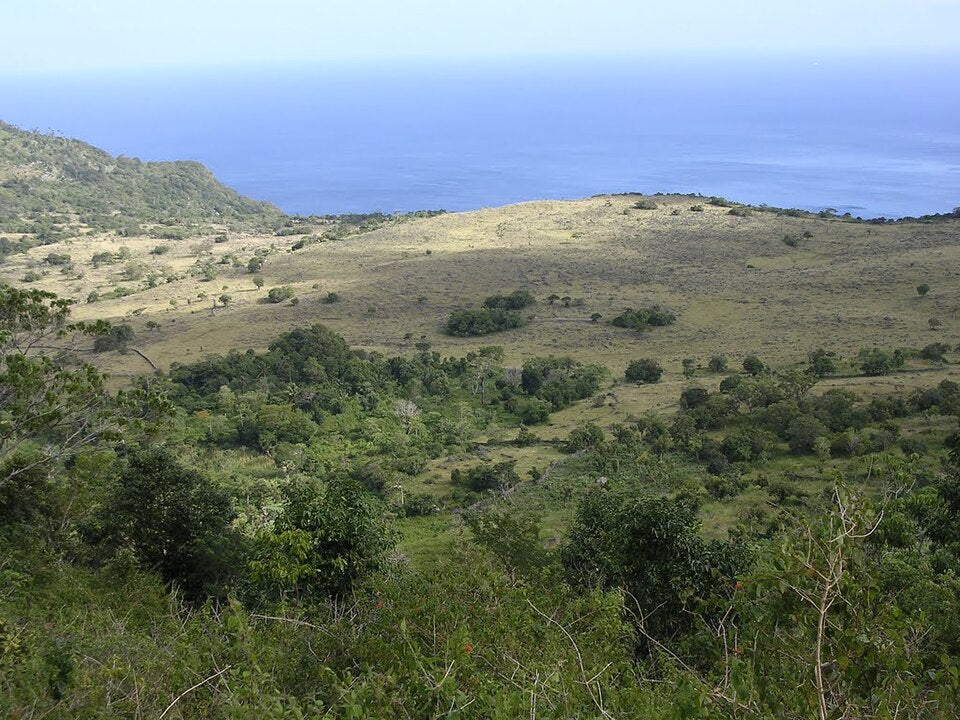
- Coastal hills and regenerating vegetation on Atauro Island: Landscape view of Atauro island, regenerating secondary forest and old agricultural fields, 26 Apr 2005.jpg — Colin Trainor. CC BY-SA 3.0. Web-size image supplied by Wikimedia Commons; no scene edits.
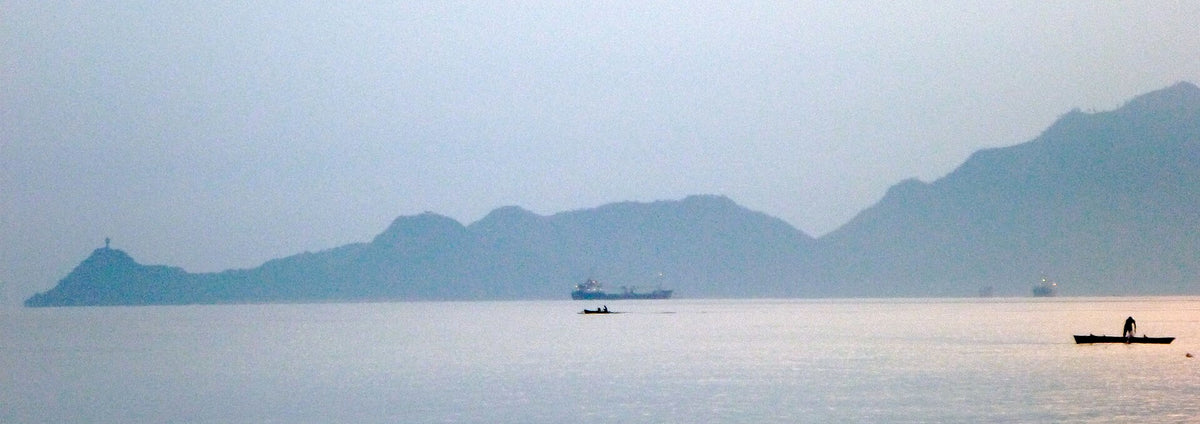
- Boats and mountain silhouettes in Dili bay at dawn: Dili at Dawn.jpg — Kate Dixon. CC BY 2.0. Web-size image supplied by Wikimedia Commons; no scene edits.
.jpg)
-APiazza.JPG)
-APiazza.JPG)
-APiazza.JPG)
-APiazza.JPG)
-APiazza.JPG)
-APiazza.JPG)
-APiazza.JPG)


