

Destination guide · Indonesia
Alor Diving
In Alor, a day can move from a quiet macro search to a wall of clear water and powerful flow. Volcanic islands, small coastal communities and an extraordinary variety of reef settings make the journey feel exploratory.
Alor at a glance
Alor is a remote eastern Indonesian destination where clear-water reefs, steep walls, strong currents and productive macro sites exist within the same archipelago. Volcanic scenery and traditional coastal communities reinforce its frontier atmosphere.
The diving can shift quickly from calm critter hunting to cool thermoclines and powerful water movement. It therefore suits adaptable, experienced divers who value variety and are comfortable with limited infrastructure. Alor’s strongest appeal is its combination of reef quality, unusual subjects and cultural remoteness.
Planning your Alor stay
A resort gives repeated access to one part of the strait and its macro sites; a liveaboard may connect Alor with other eastern Indonesian regions. Compare the time actually spent in Alor, not only the embarkation port. Six to eight nights suits a focused first visit.

Alor Tanapi Dive Resort
A small eight-bungalow Alor resort with fast custom dive boats, four accommodation categories and relaxed or complete dive-and-stay packages.

Alor Divers
An intimate eight-bungalow beach resort in Alor offering flexible long dives, very small guide groups, a protected house reef and full-board stays.
Liveaboard routes for this destination
Explore the routes that visit this region. Compare ships and itineraries, then open a route to see its sailing dates, cabins and the areas it covers.
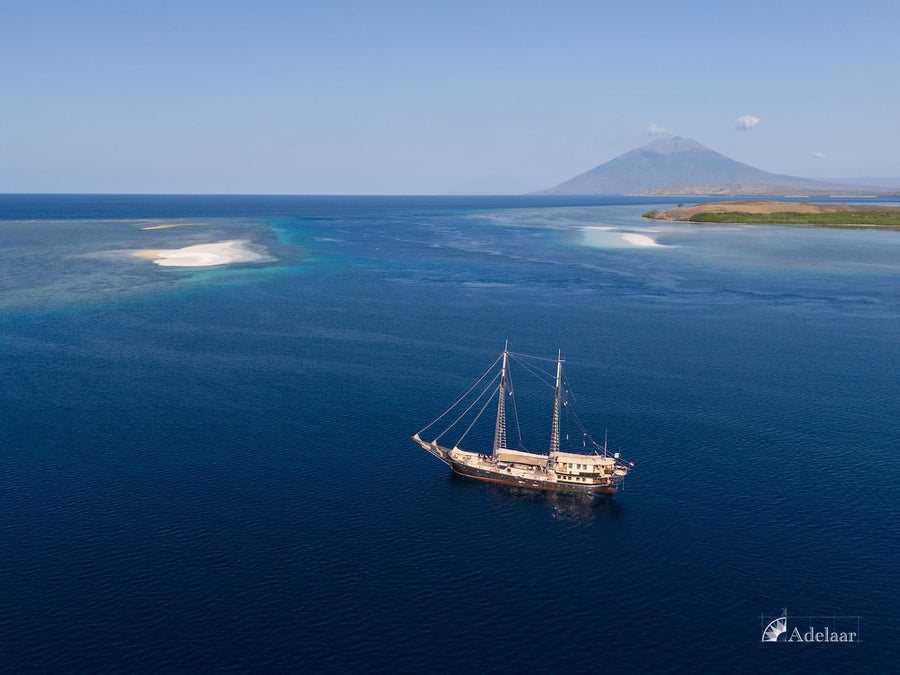
Adelaar
Banda Sea & Alor — Ambon to Maumere
- Indicative duration
- 10 nights
- Embarkation
- Ambon
- Disembarkation
- Maumere
Adelaar
Banda Sea & Alor — Maumere to Ambon
- Indicative duration
- 8 nights
- Embarkation
- Maumere
- Disembarkation
- Ambon
Adelaar
Banda Sea & Alor — Maumere to Ambon
- Indicative duration
- 9 nights
- Embarkation
- Maumere
- Disembarkation
- Ambon
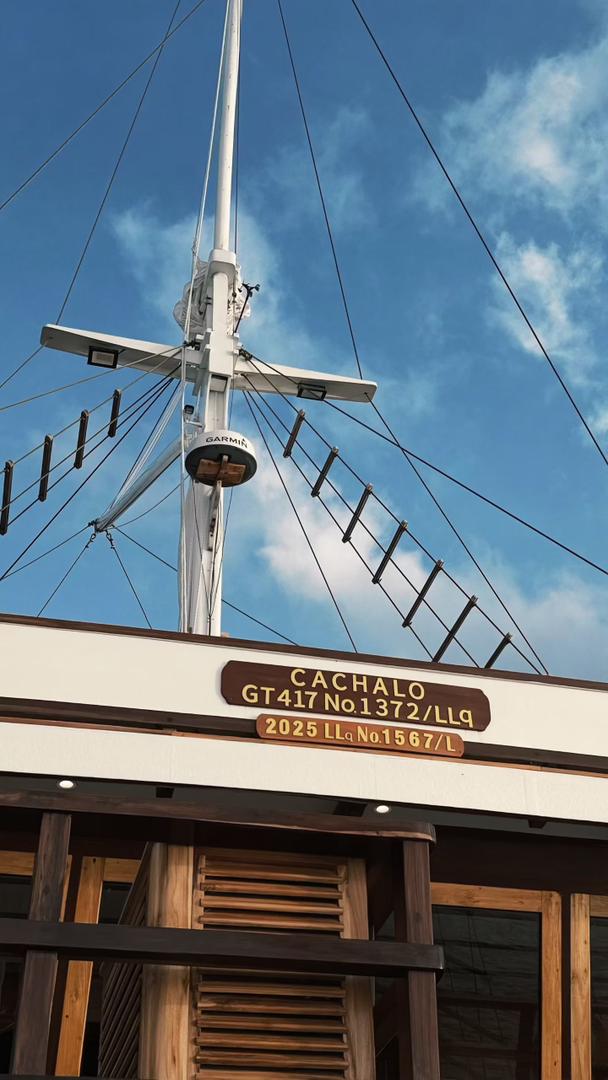
Cachalo
Alor to Ambon
- Indicative duration
- 8 nights
- Embarkation
- Alor
- Disembarkation
- Ambon
Cachalo
Komodo to Alor — Labuan Bajo to Alor
- Indicative duration
- 8 nights
- Embarkation
- Labuan Bajo
- Disembarkation
- Alor
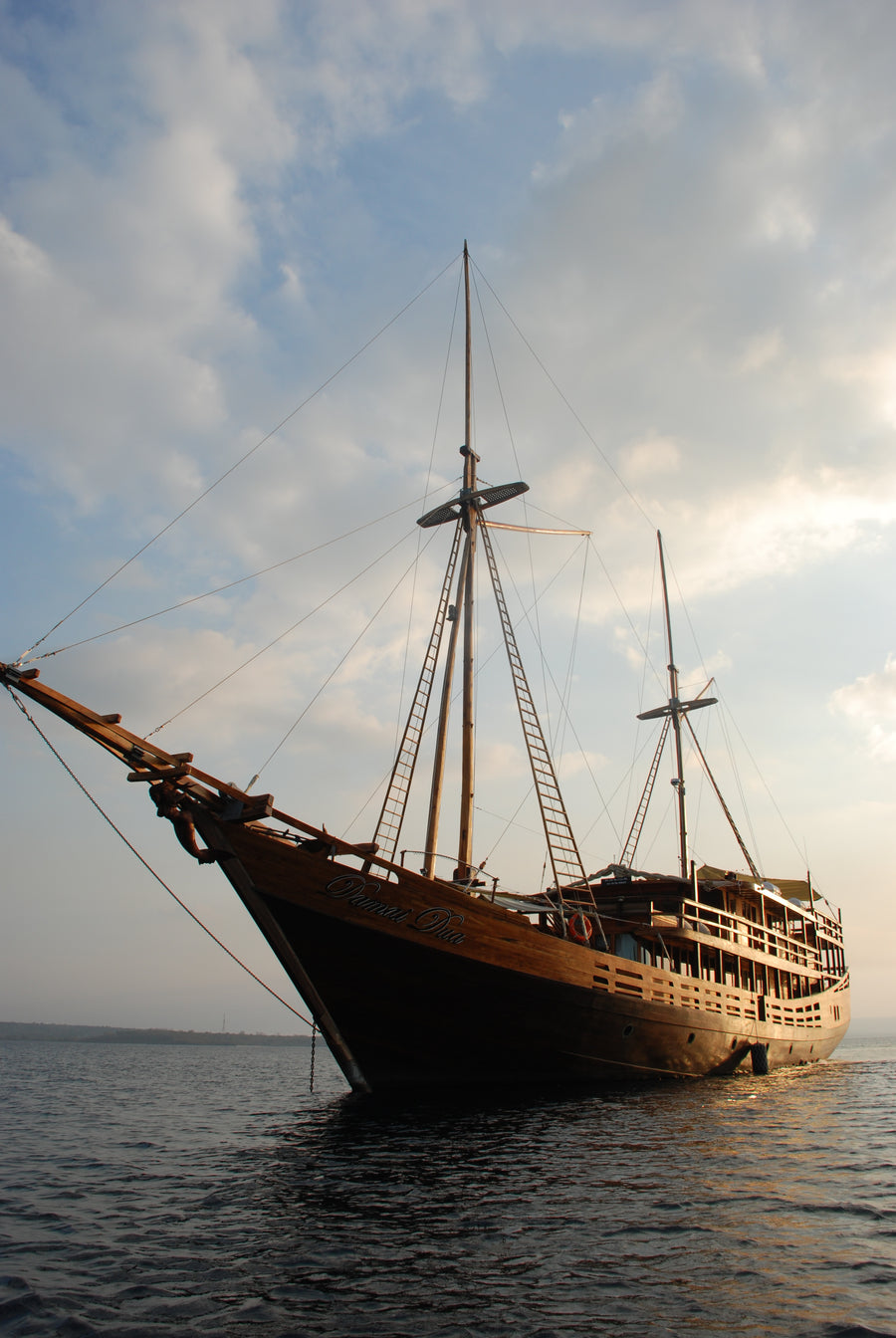
DAMAI II
Alor
- Indicative duration
- 7 nights
- Embarkation
- Kalabahi
- Disembarkation
- Kalabahi
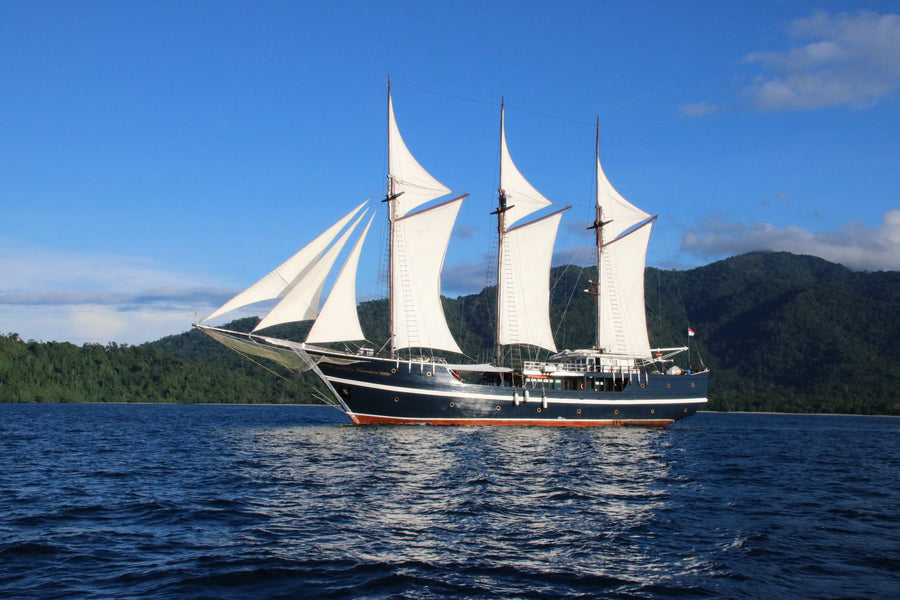
Dewi Nusantara
Alor & The Forgotten Islands - Pantar Strait, Damar, Dai, Dawera & Daweloor — Kalabahi to Saumlaki
- Indicative duration
- 10 nights
- Embarkation
- Kalabahi
- Disembarkation
- Saumlaki
Dewi Nusantara
Alor & The Forgotten Islands - Pantar Strait, Damar, Dai, Dawera & Daweloor — Kalabahi to Saumlaki
- Indicative duration
- 11 nights
- Embarkation
- Kalabahi
- Disembarkation
- Saumlaki
Dewi Nusantara
Alor to Flores - Alor, Pantar, Lembata, Adonara, Maumere Bay — Kalabahi to Maumere
- Indicative duration
- 11 nights
- Embarkation
- Kalabahi
- Disembarkation
- Maumere
Dewi Nusantara
Ambon, Historic Banda, The Forgotten Islands & Alor — Ambon to Kalabahi
- Indicative duration
- 11 nights
- Embarkation
- Ambon
- Disembarkation
- Kalabahi
Dewi Nusantara
Flores to Alor: Route I - Maumere Bay, Adonara, Lembata, Pantar, Alor — Maumere to Maumere
- Indicative duration
- 10 nights
- Embarkation
- Maumere
- Disembarkation
- Maumere
Dewi Nusantara
Flores to Alor: Route I - Maumere Bay, Adonara, Lembata, Pantar, Alor — Maumere to Maumere
- Indicative duration
- 9 nights
- Embarkation
- Maumere
- Disembarkation
- Maumere
Dewi Nusantara
Flores to Alor: Route II - Maumere Bay, Adonara, Lembata, Pantar, Alor — Maumere to Kalabahi
- Indicative duration
- 10 nights
- Embarkation
- Maumere
- Disembarkation
- Kalabahi
Dewi Nusantara
Flores to Alor: Route II - Maumere Bay, Adonara, Lembata, Pantar, Alor — Maumere to Kalabahi
- Indicative duration
- 9 nights
- Embarkation
- Maumere
- Disembarkation
- Kalabahi
Dewi Nusantara
The Flores Sea: Route I - Maumere Bay, Taka Bonerate, Selayar & South Sulawesi — Maumere to Makassar
- Indicative duration
- 11 nights
- Embarkation
- Maumere
- Disembarkation
- Makassar
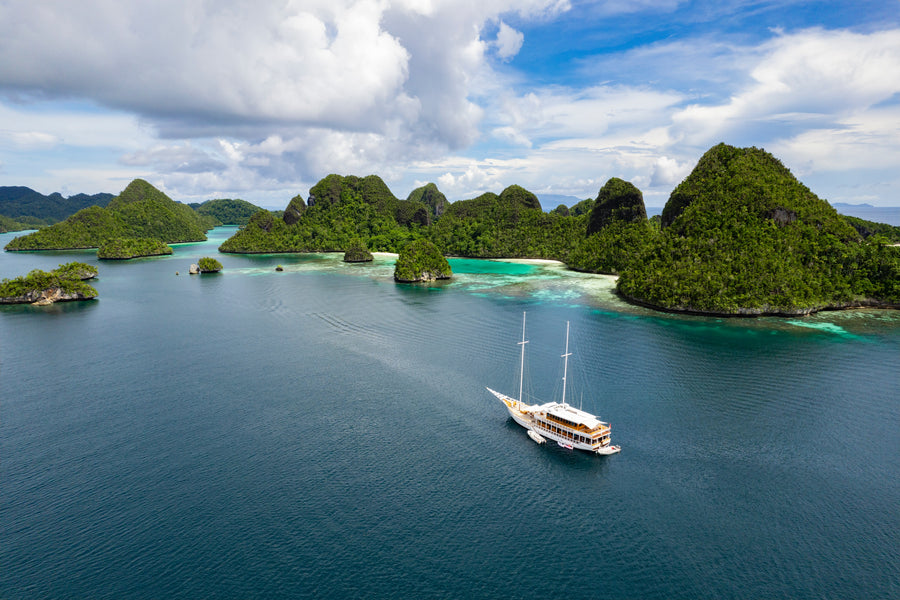
Fenides
Alor
- Indicative duration
- 9 nights
- Embarkation
- Maumere
- Disembarkation
- Maumere
Fenides
Alor to Komodo
- Indicative duration
- 7 nights
- Embarkation
- Kalabahi
- Disembarkation
- Labuan Bajo
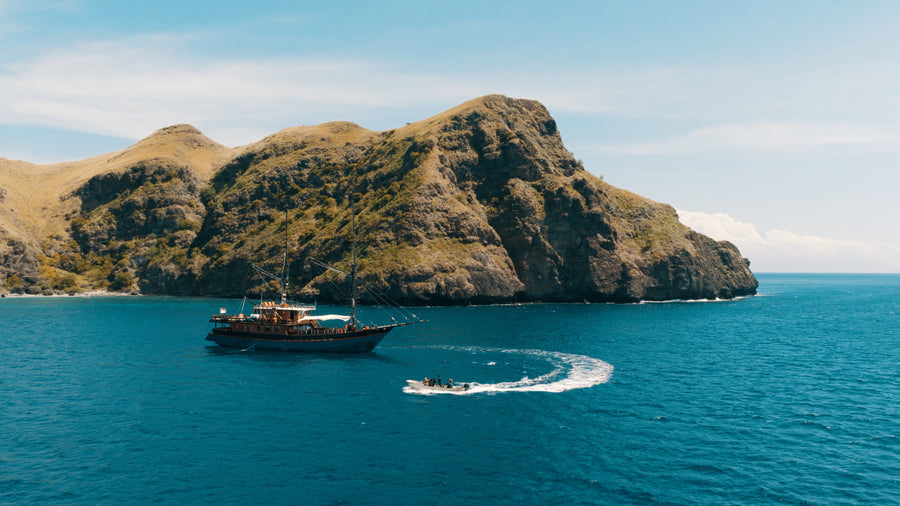
Iliké
Alor & Komodo — Alor to Labuan Bajo
- Indicative duration
- 9 nights
- Embarkation
- Alor
- Disembarkation
- Labuan Bajo
Iliké
Alor, Banda & Maluku — Alor to Ambon
- Indicative duration
- 12 nights
- Embarkation
- Alor
- Disembarkation
- Ambon
Iliké
Komodo & Alor — Labuan Bajo to Alor
- Indicative duration
- 10 nights
- Embarkation
- Labuan Bajo
- Disembarkation
- Alor
Iliké
Maluku, Banda & Alor — Ambon to Alor
- Indicative duration
- 12 nights
- Embarkation
- Ambon
- Disembarkation
- Alor
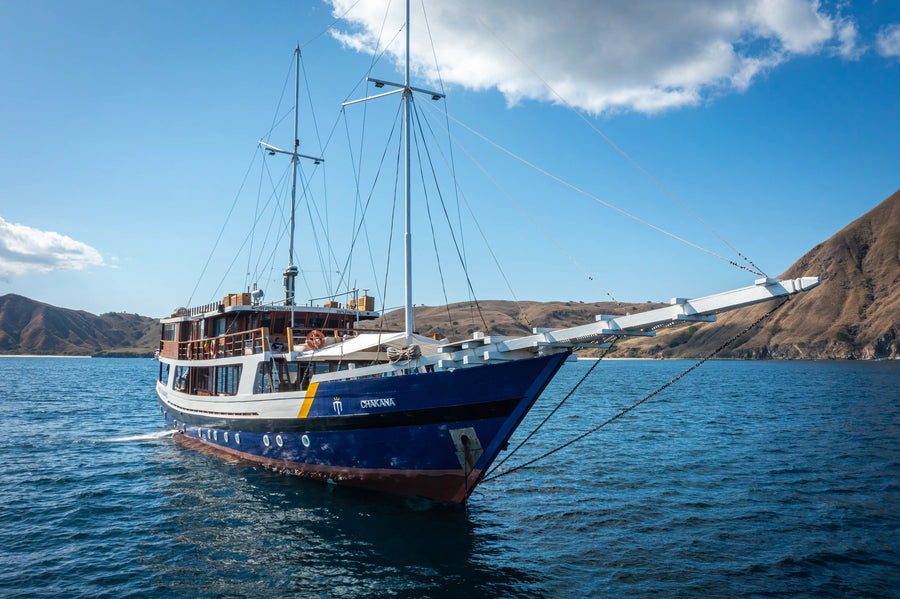
Indo Master
Southern Forgotten Islands
- Indicative duration
- 12 nights
- Embarkation
- Alor / Kalabahi
- Disembarkation
- Saumlaki / operator-confirmed gateway
Indo Master
The Alor Archipelago
- Indicative duration
- 10 nights
- Embarkation
- Maumere
- Disembarkation
- Kalabahi, Alor
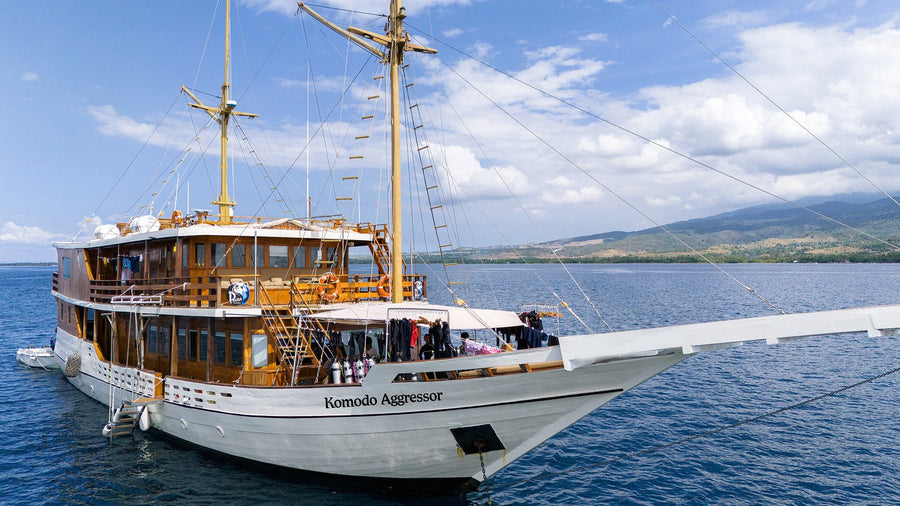
Komodo Aggressor
Alor (9 nights)
- Indicative duration
- 9 nights
- Embarkation
- Alor
- Disembarkation
- Alor
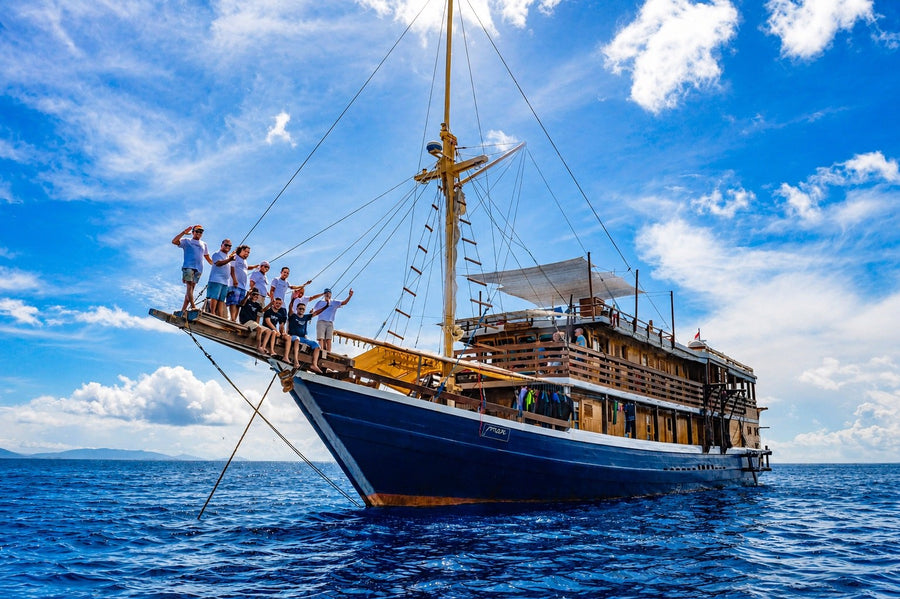
MARI Liveaboard
MARI — Ambon - Banda Sea - Alor Expedition — Ambon to Maumere
- Indicative duration
- 12 nights
- Embarkation
- Ambon
- Disembarkation
- Maumere
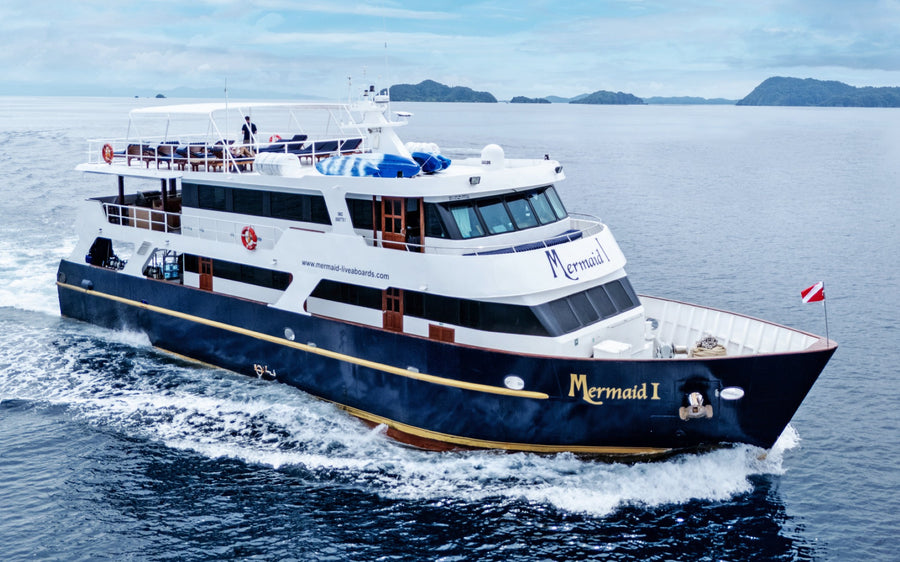
Mermaid I
Alor
- Indicative duration
- 9 nights
- Embarkation
- Maumere, Flores
- Disembarkation
- Maumere, Flores
Mermaid I
Biodiversity Super Special: Raja Ampat, Banda Sea, Alor & Maumere
- Indicative duration
- 15 nights
- Embarkation
- Sorong or Maumere — confirm per departure
- Disembarkation
- Maumere or Sorong — confirm per departure
Mermaid I
Ring of Fire: Maumere, Alor, Banda Sea & Ambon
- Indicative duration
- 11 nights
- Embarkation
- Maumere or Ambon — confirm per departure
- Disembarkation
- Ambon or Maumere — confirm per departure
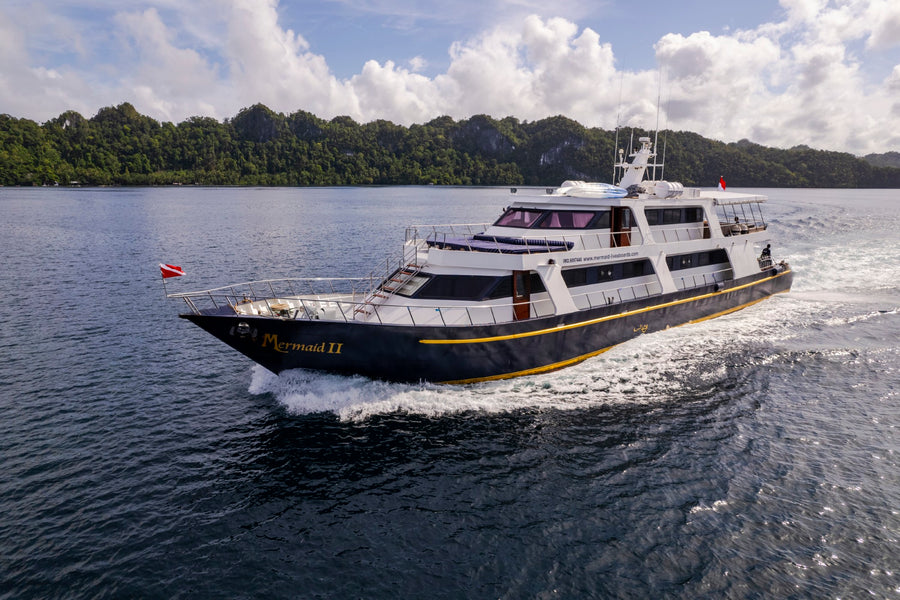
Mermaid II
Biodiversity Super Special: Raja Ampat, Banda Sea, Alor & Maumere
- Indicative duration
- 15 nights
- Embarkation
- Sorong or Maumere — confirm per departure
- Disembarkation
- Maumere or Sorong — confirm per departure
Mermaid II
Ring of Fire: Maumere, Alor, Banda Sea & Ambon
- Indicative duration
- 11 nights
- Embarkation
- Maumere or Ambon — confirm per departure
- Disembarkation
- Ambon or Maumere — confirm per departure
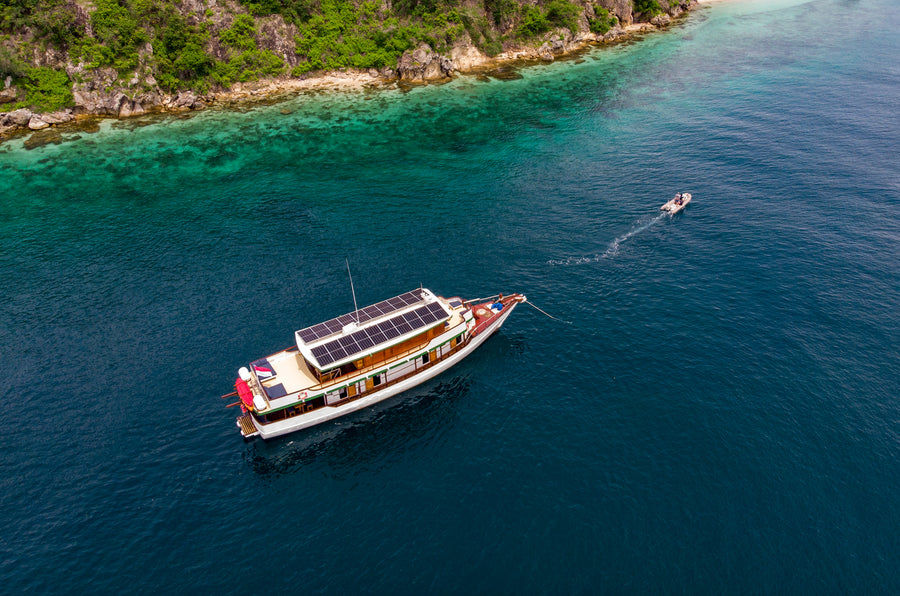
Bajau
Nomad Exploration Cruise: Forgotten Islands & Hammerhead Encounters
- Indicative duration
- 10 nights
- Embarkation
- Alor
- Disembarkation
- Ambon
Bajau
Nomad Exploration Cruise: Komodo to Alor
- Indicative duration
- 10 nights
- Embarkation
- Labuan Bajo
- Disembarkation
- Alor
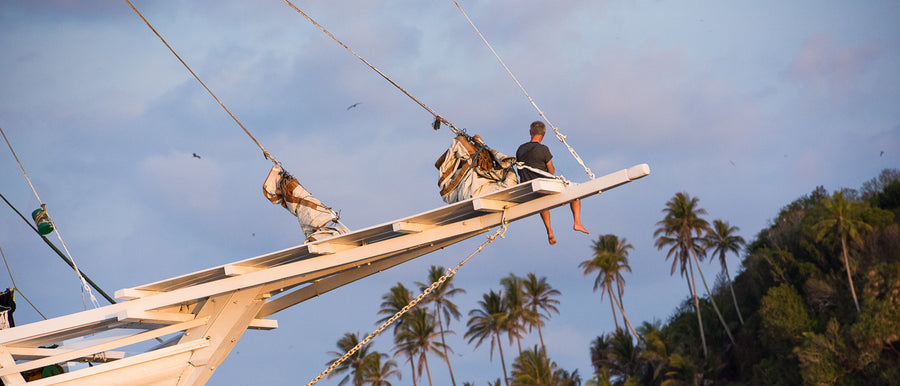
Pindito
Biodiversity Cruise
- Indicative duration
- 13 nights
- Embarkation
- Maumere
- Disembarkation
- Sorong or Ambon
Pindito
East Flores & Alor
- Indicative duration
- 11 nights
- Embarkation
- Maumere
- Disembarkation
- Maumere
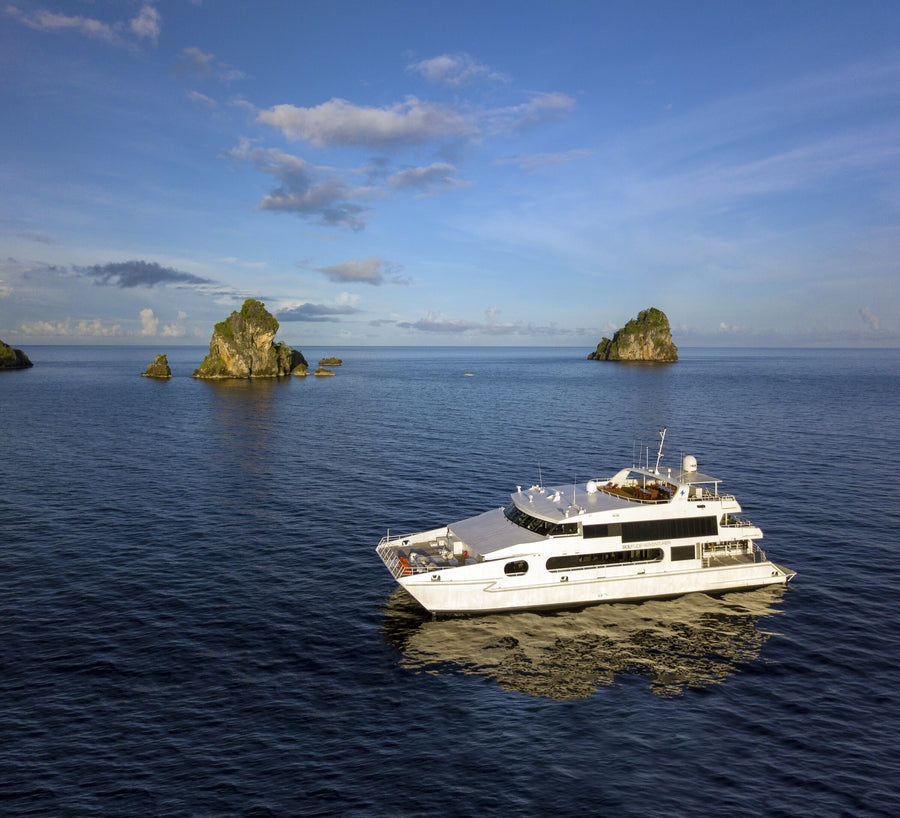
Solitude Adventurer
Alor - Forgotten Islands - Banda Sea (Maumere / Ambon - 12N)
- Indicative duration
- 12 nights
- Embarkation
- Maumere
- Disembarkation
- Ambon
Solitude Adventurer
Maumere/Alor - 8N
- Indicative duration
- 8 nights
- Embarkation
- Maumere
- Disembarkation
- Maumere
Solitude Adventurer
Raja Ampat / Banda / Maumere - 14N
- Indicative duration
- 14 nights
- Embarkation
- Sorong
- Disembarkation
- Maumere
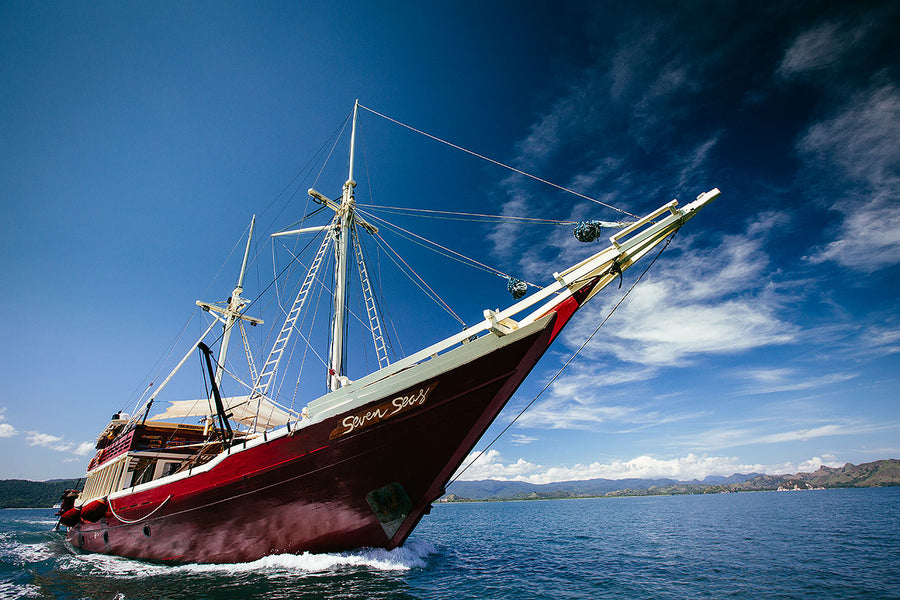
The Seven Seas
Alor & East of Flores — Alor to Maumere
- Indicative duration
- 10 nights
- Embarkation
- Alor
- Disembarkation
- Maumere
The Seven Seas
Alor — Alor to Alor
- Indicative duration
- 10 nights
- Embarkation
- Alor
- Disembarkation
- Alor
The Seven Seas
Banda Sea & Alor (Via Forgotten Islands) — Ambon to Alor
- Indicative duration
- 12 nights
- Embarkation
- Ambon
- Disembarkation
- Alor
The Seven Seas
East of Flores & Alor — Maumere to Alor
- Indicative duration
- 10 nights
- Embarkation
- Maumere
- Disembarkation
- Alor
The Seven Seas
Flores, Komodo National Park & Sumbawa — Maumere to Sumbawa Besar
- Indicative duration
- 12 nights
- Embarkation
- Maumere
- Disembarkation
- Sumbawa Besar
The Seven Seas
Forgotten Islands — Alor to Saumlaki
- Indicative duration
- 14 nights
- Embarkation
- Alor
- Disembarkation
- Saumlaki
The Seven Seas
Forgotten Islands — Saumlaki to Tual
- Indicative duration
- 14 nights
- Embarkation
- Saumlaki
- Disembarkation
- Tual
The Seven Seas
Komodo National Park & Flores — Labuan Bajo to Maumere
- Indicative duration
- 10 nights
- Embarkation
- Labuan Bajo
- Disembarkation
- Maumere
The Seven Seas
Komodo National Park, Sumbawa & Flores — Labuan Bajo to Maumere
- Indicative duration
- 10 nights
- Embarkation
- Labuan Bajo
- Disembarkation
- Maumere
The Seven Seas
Komodo, East of Flores & Alor — Labuan Bajo to Alor
- Indicative duration
- 10 nights
- Embarkation
- Labuan Bajo
- Disembarkation
- Alor
The Seven Seas
Sumbawa, Komodo National Park & Flores — Sumbawa Besar to Maumere
- Indicative duration
- 12 nights
- Embarkation
- Sumbawa Besar
- Disembarkation
- Maumere
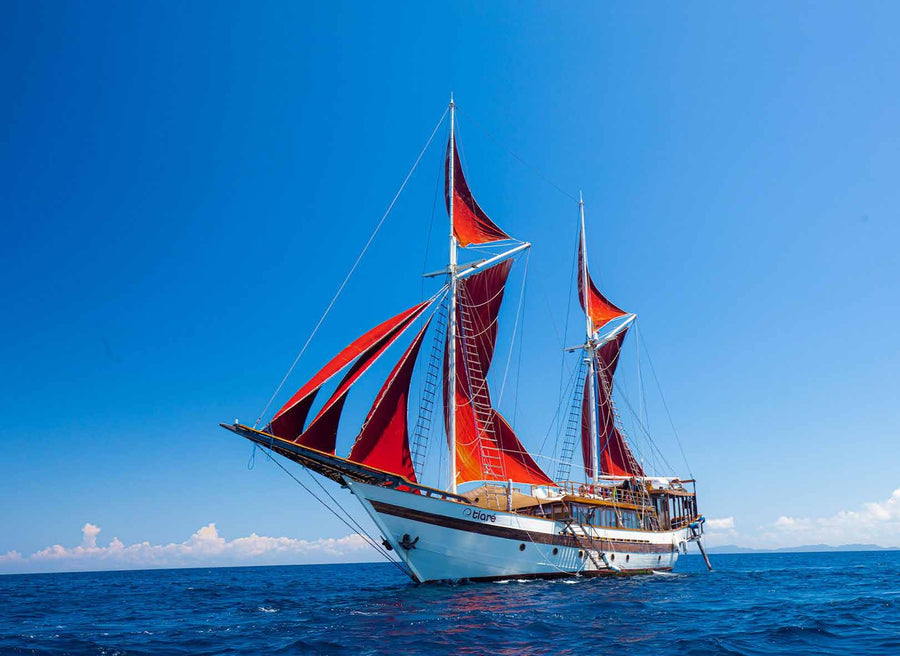
Tiare
Alor - Forgotten Island — Maumere to Saumlaki
- Indicative duration
- 11 nights
- Embarkation
- Maumere
- Disembarkation
- Saumlaki
Tiare
Alor - Kumba - Wakatobi - Bau-Bau — Kalabahi to Bau-Bau
- Indicative duration
- 7 nights
- Embarkation
- Kalabahi
- Disembarkation
- Bau-Bau
Tiare
Banda Neira - Lucipara - Alor — Ambon to Kalabahi
- Indicative duration
- 12 nights
- Embarkation
- Ambon
- Disembarkation
- Kalabahi
Tiare
Banda Sea Ring Of Fire, Alor - Forgotten Island - Banda Islands — Maumere to Ambon
- Indicative duration
- 12 nights
- Embarkation
- Maumere
- Disembarkation
- Ambon
Tiare
Komodo - Alor - Maumere — Labuan Bajo to Maumere
- Indicative duration
- 11 nights
- Embarkation
- Labuan Bajo
- Disembarkation
- Maumere
Tiare
Komodo - Alor — Labuan Bajo to Kalabahi
- Indicative duration
- 9 nights
- Embarkation
- Labuan Bajo
- Disembarkation
- Kalabahi
Tiare
Maumere - Alor - Komodo — Maumere to Labuan Bajo
- Indicative duration
- 10 nights
- Embarkation
- Maumere
- Disembarkation
- Labuan Bajo
Tiare
Maumere - Alor - Maumere — Maumere to Maumere
- Indicative duration
- 10 nights
- Embarkation
- Maumere
- Disembarkation
- Maumere
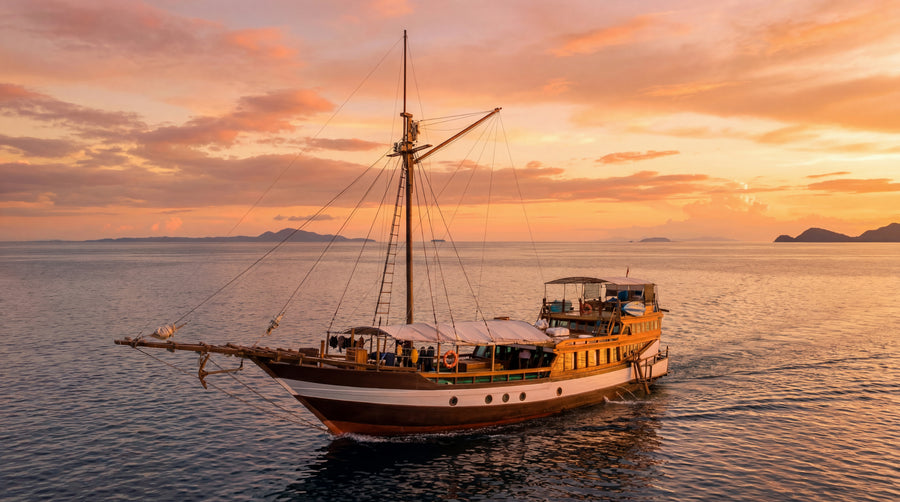
Wellenreng
Forgotten Islands — Maumere to Saumlaki
- Indicative duration
- 10 nights
- Embarkation
- Maumere
- Disembarkation
- Saumlaki
No routes match this search. Try another vessel or clear your search.
When to dive Alor
April to November is the established planning window. Thermoclines and strong tidal flow can change the feel of a dive quickly, so thermal protection and current experience matter even during the drier months. A varied programme should include both sheltered and exposed habitats.
Planning window: Best April–November.
What the diving is like
Advanced experience is recommended; some sites have strong current and changing thermoclines.
Clear-water reefs
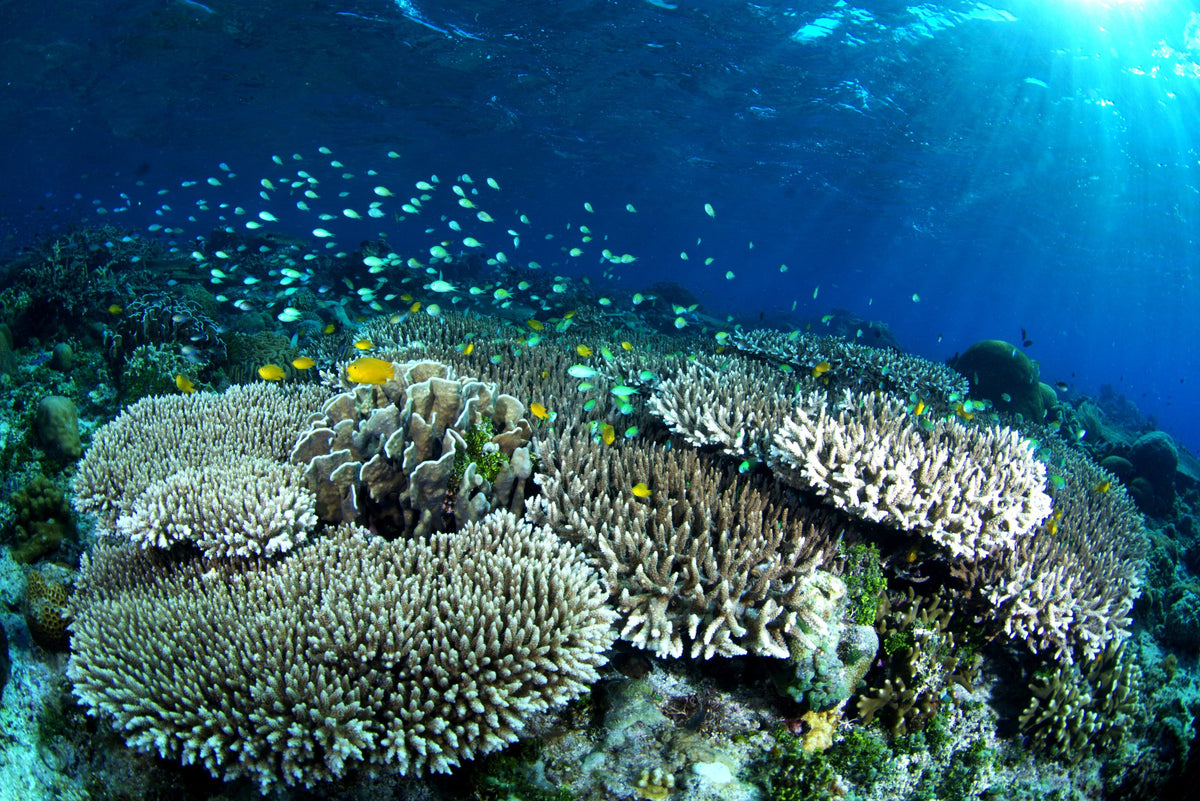
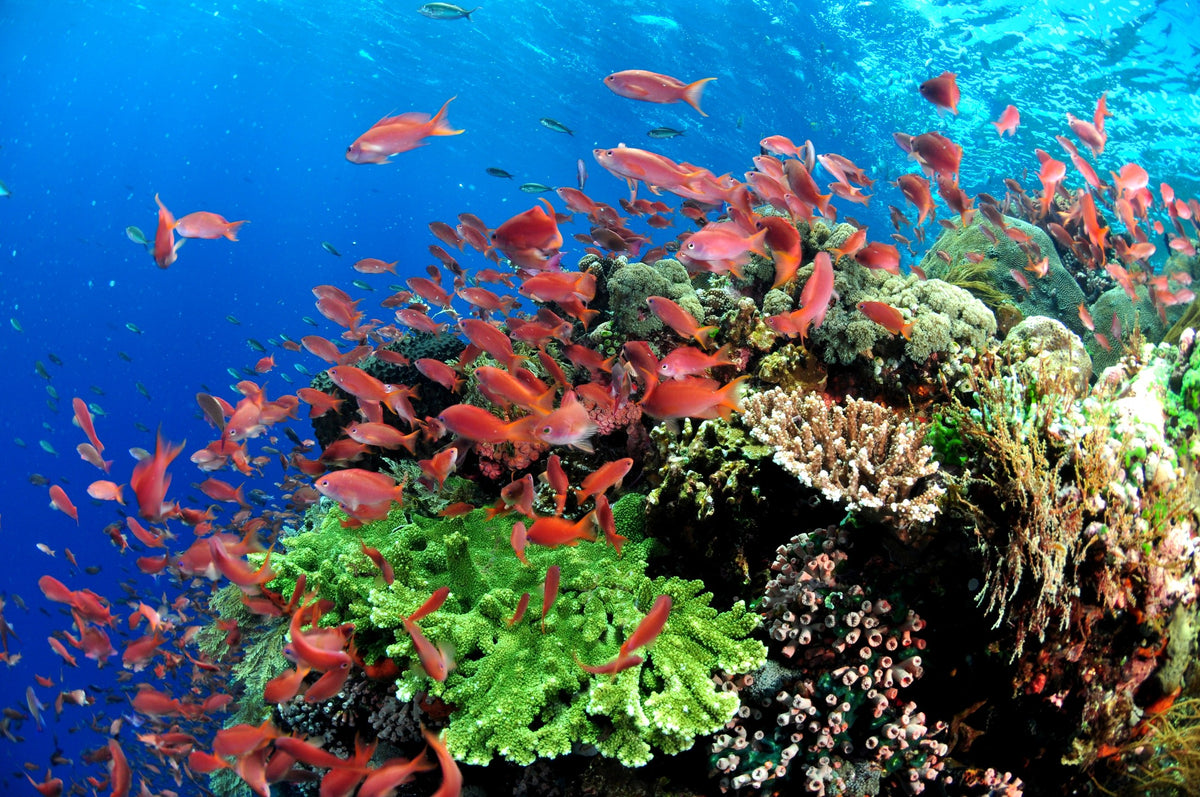
Alor’s outer reefs and walls can deliver striking clear-water scenery, dense coral and large schools of fish. The archipelago’s appeal is that these wide-angle dives sit close to very different black-sand macro sites, so a week never feels repetitive.
Strong currents
The Pantar Strait funnels powerful tidal flow between deep seas. Current can turn a site from manageable to advanced quickly, so entries, depth and even the choice of reef are planned around the tide rather than a fixed daily schedule.
Macro and muck sites
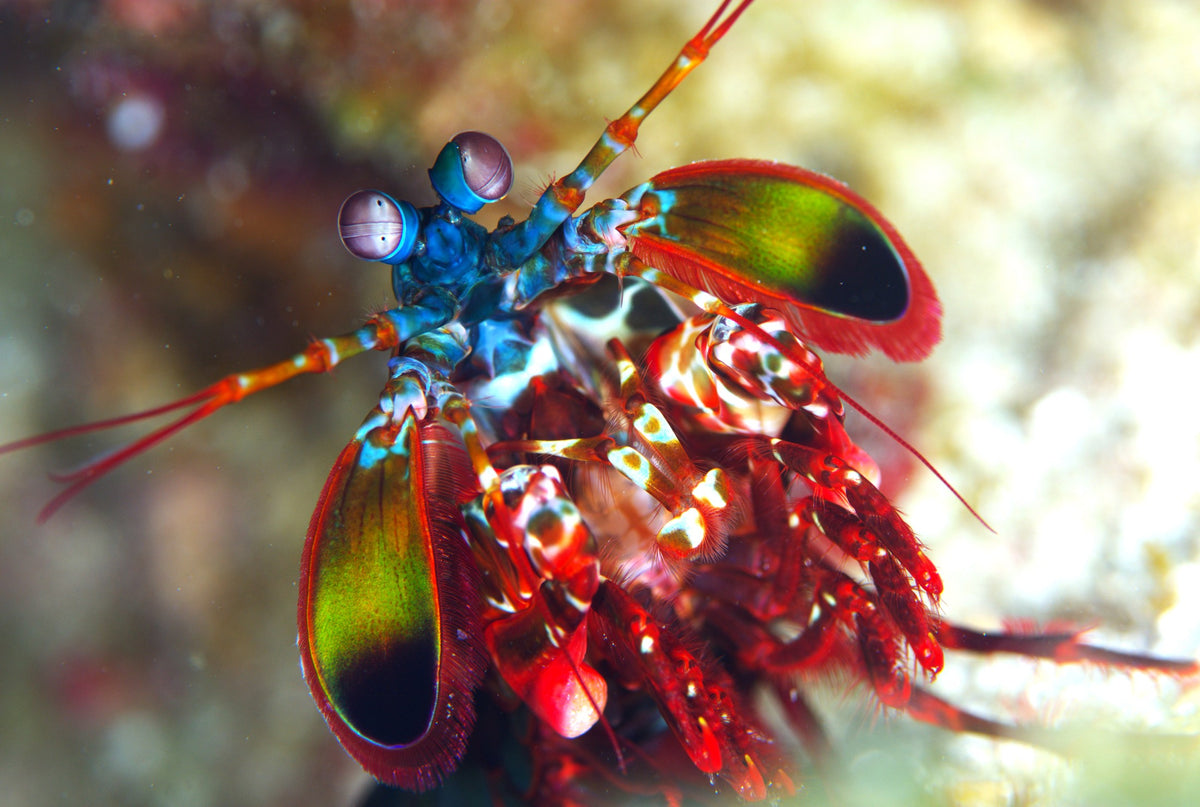
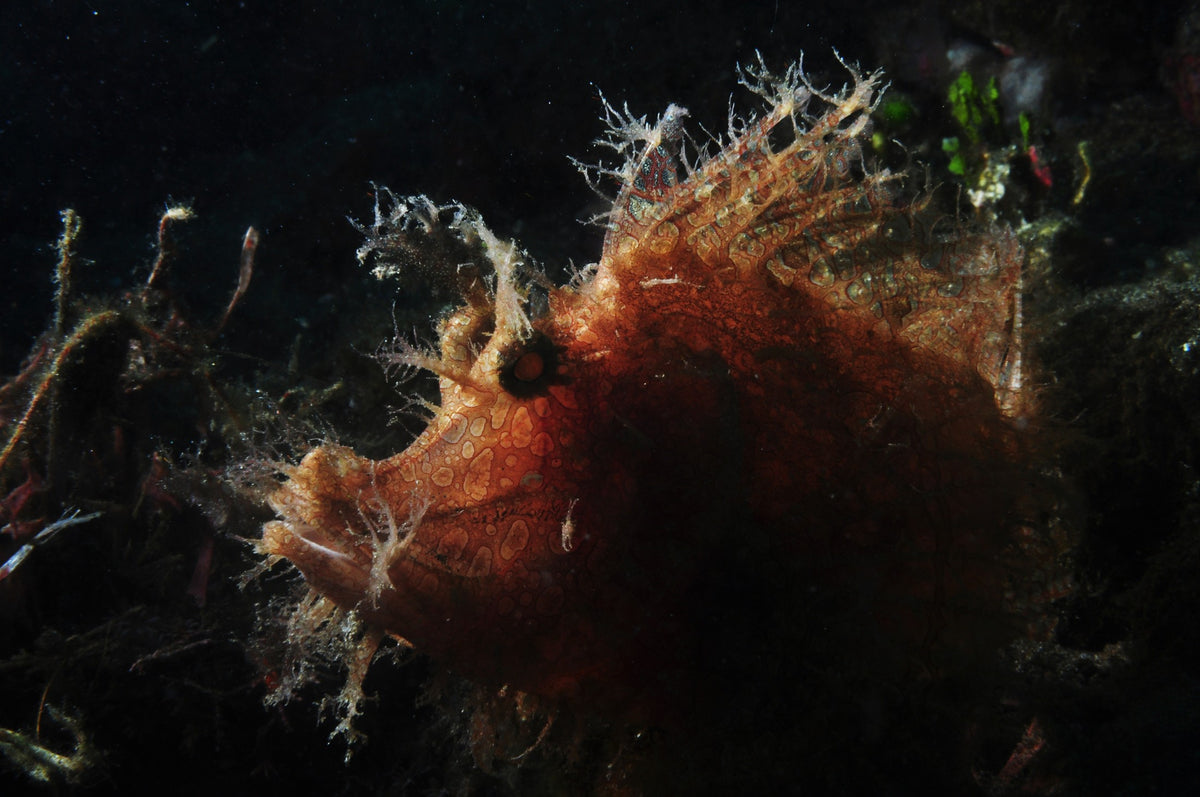
Kalabahi Bay provides the slow side of Alor: black volcanic sand and rubble where guides search for rhinopias, frogfish, seahorses, ghost pipefish, octopus and unusual crustaceans. It is especially strong for patient macro photography and night dives.
Remote cultural setting
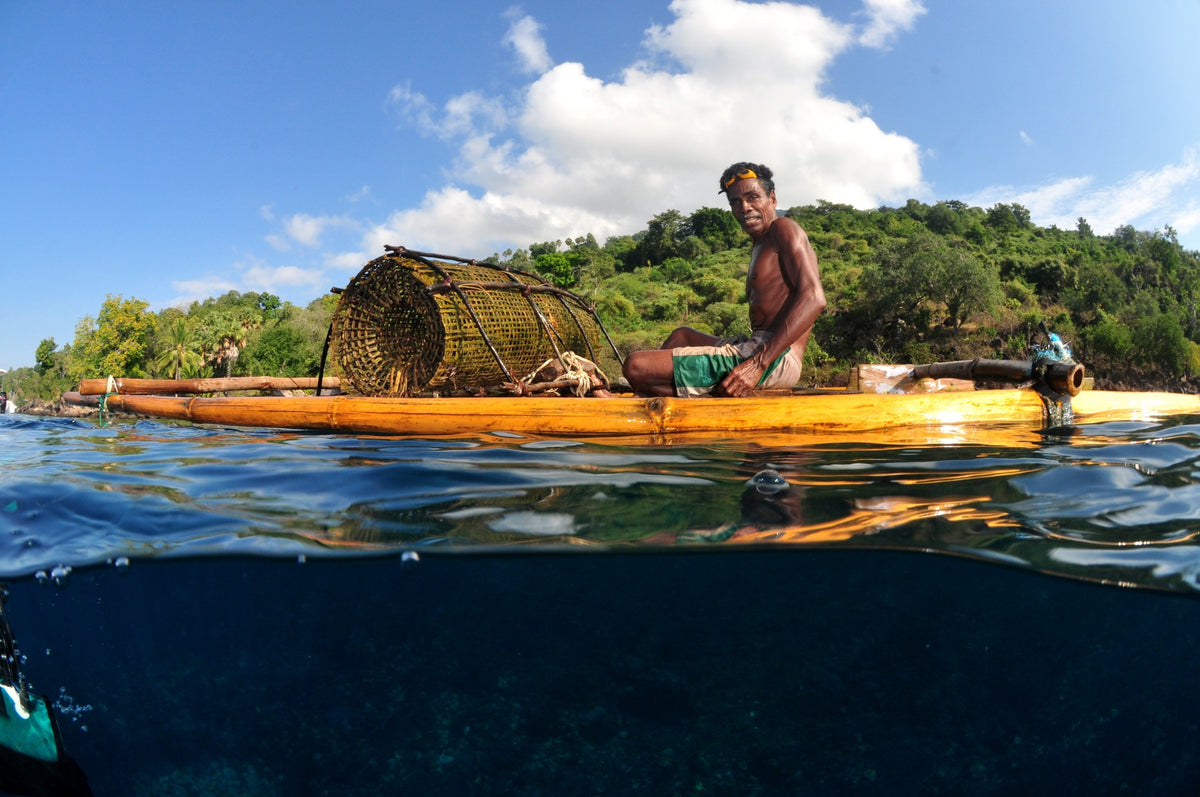
Diving is only part of the appeal. Alor’s remote villages, traditional weaving and volcanic island scenery give surface intervals a strong sense of place, while the limited tourism infrastructure keeps logistics more expedition-like than in Bali or Komodo.
DIVE SITE GUIDE
Dive sites in Alor
Explore the character of individual sites, from the setting and marine life to the diving conditions. Open a card for the full description; site access and the final profile depend on conditions and experience.
ORIENTATION MAP
Where the dive sites are
Use the map to understand how the key sites are spread around the destination. Pins are for trip-planning orientation only; entry points, moorings and the final dive plan are always confirmed by the local operator on the day.
Coordinates are planning references compiled from current dive-site sources. They are not navigation coordinates; entry points, moorings, tide windows and the final dive plan are always confirmed by the local operator on the day.
Submerged pinnacle · Current
Kal’s Dream
Kal’s Dream is one of Alor’s most famous advanced dives because the pinnacle sits directly in moving water.
Explore this dive site
- Type
- Submerged pinnacle · Current
- Depth
- 5–35 m
- Experience
- Advanced
- Current
- Very strong possible
Kal’s Dream is one of Alor’s most famous advanced dives because the pinnacle sits directly in moving water. The top is submerged and the current can be powerful enough that the site is only sensible in the right tidal window. When timing is good, schooling fish build around the structure and larger predators may patrol the current line, while the reef itself remains crowded with life.
This is not a place to improvise a route: the guide decides whether conditions are acceptable, how the group enters and where to shelter. Divers need strong buoyancy, efficient descents and comfort staying close to the reef without damaging it. On the right day, it delivers the fast, fish-filled Alor experience many experienced divers travel for.
Look for: Submerged pinnacle · Very strong current possible · Schooling fish · Advanced only
Best for: Pelagics · Schooling fish · High-energy diving
Muck · Sloping reef · Macro
Beang Abang
Beang Abang proves Alor is not only about racing current.
Explore this dive site
- Type
- Muck · Sloping reef · Macro
- Depth
- 5–30 m
- Experience
- Advanced
- Current
- Moderate–Strong
Beang Abang proves Alor is not only about racing current. The site combines darker volcanic substrate, rubble and sloping reef where guides search for unusual macro subjects against a very different background from the bright southern coral walls.
Frogfish, nudibranchs, small cephalopods, crustaceans and other cryptic animals can become the focus, making it especially valuable for photographers who want a dedicated critter dive in an otherwise wide-angle-heavy itinerary. The macro pace does not automatically make the site easy: local water movement can still be noticeable, and depth can build along the slope. A slow route with good fin control protects visibility and gives the guide time to find animals that would be missed by a faster group.
Look for: Volcanic macro habitat · Frogfish potential · Rare critters · Photography
Best for: Rare critters · Macro · Volcanic slope
Wall · Reef
Babylon
Babylon is a useful reminder that not every Alor dive has to be a current test.
Explore this dive site
- Type
- Wall · Reef
- Depth
- 5–30 m
- Experience
- Beginner–Intermediate
- Current
- Minimal–Mild
Babylon is a useful reminder that not every Alor dive has to be a current test. The wall drops beside a reef rich in coral and small fish, allowing divers to settle into the scenery rather than constantly monitoring a drift.
Soft coral, sponges and reef life decorate the face while the shallows provide a bright finish and a comfortable safety-stop area. Because current is often minimal compared with the region’s exposed channels, it can work well for less-experienced divers or as a calmer dive between more demanding sites. Photographers can switch to a wide lens and spend time with the wall itself, using depth and perspective instead of relying on a particular pelagic encounter.
Look for: Calmer wall dive · Coral scenery · Beginner-accessible when calm · Wide angle
Best for: Wall scenery · Coral · Easy wide angle
Wall · Arch / overhang · Reef
The Arch
The Arch adds obvious topography to Alor’s reef diving.
Explore this dive site
- Type
- Wall · Arch / overhang · Reef
- Depth
- 5–30 m
- Experience
- Beginner–Intermediate
- Current
- Minimal–Mild
The Arch adds obvious topography to Alor’s reef diving. The wall includes an arch-like feature and changes in relief that give divers a natural route through coral, sponges and reef fish rather than a featureless descent.
The site is generally presented as one of the more approachable Alor options, though depth and any overhead-like feature should still be handled conservatively. There is no need to squeeze into confined space to enjoy the structure; the exterior and surrounding wall provide the strongest views. When current is light, the site rewards slow wide-angle photography and makes a good contrast to the high-energy pinnacles and channels elsewhere in the archipelago.
Look for: Arch topography · Wall dive · Coral & sponges · More relaxed profile
Best for: Topography · Coral wall · Photography
Wall · Current corner · Pelagic
Monaseli / Yellow Corner
Monaseli, also known as Yellow Corner, sits in the category of Alor dives where current is part of the attraction and the decision to dive must be made locally.
Explore this dive site
- Type
- Wall · Current corner · Pelagic
- Depth
- 10–35 m
- Experience
- Advanced
- Current
- Very strong possible
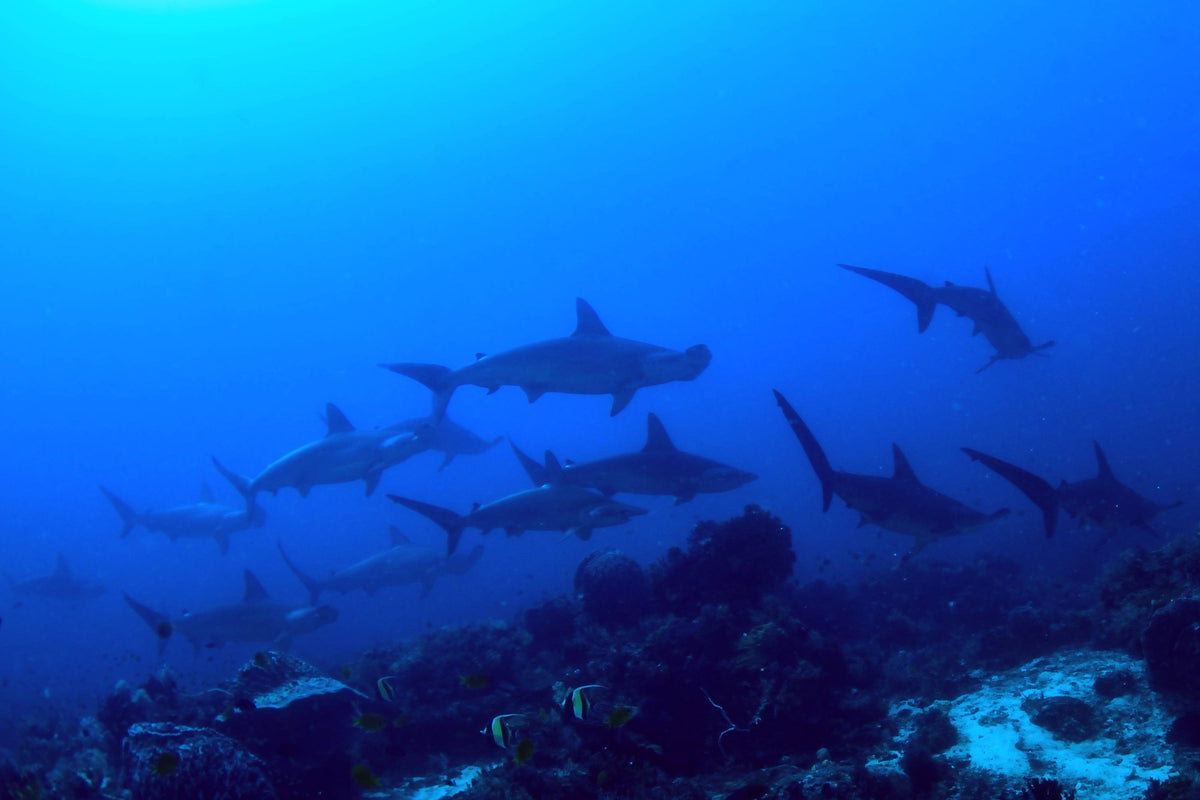
Monaseli, also known as Yellow Corner, sits in the category of Alor dives where current is part of the attraction and the decision to dive must be made locally. The wall and corner face open water, creating the possibility of schooling fish and larger pelagics; hammerheads are among the animals associated with the site, but any encounter is opportunistic and should never be sold as guaranteed.
Strong current can make the corner demanding, so the dive is best for experienced groups that can descend together, maintain depth and abort cleanly if conditions are beyond the plan. Even without a headline shark sighting, the combination of vertical reef, fish activity and open-ocean atmosphere makes the site memorable.
Look for: Pelagic potential · Hammerheads possible · Exposed wall · Very strong current possible
Best for: Hammerhead potential · Pelagics · Strong-current diving
Wall · Cavern / cave feature
Motonglang / The Cathedral
Motonglang — commonly called The Cathedral — combines steep reef with a large cavern-like feature that gives the dive its name.
Explore this dive site
- Type
- Wall · Cavern / cave feature
- Depth
- 10–35 m
- Experience
- Advanced
- Current
- Strong
Motonglang — commonly called The Cathedral — combines steep reef with a large cavern-like feature that gives the dive its name. Light entering the opening can create dramatic wide-angle scenes, but the surrounding wall and coral are enough to make the dive worthwhile without pushing into an overhead area.
Local current can be strong and depth increases quickly, so the site is normally better suited to experienced divers who can hold a stable profile and follow the guide’s route. Any penetration beyond a simple open cavern should follow training and operator procedures rather than being treated as a standard recreational requirement. The real appeal is the scale: rock, coral and blue water all share the same frame.
Look for: Cathedral-like cavern · Wall scenery · Strong current possible · Advanced profile
Best for: Dramatic topography · Wall · Experienced divers
Pier · Muck · Macro
Pertamina Pier
Pertamina Pier is Alor’s dedicated slow-down dive.
Explore this dive site
- Type
- Pier · Muck · Macro
- Depth
- 3–20 m
- Experience
- Beginner–Intermediate
- Current
- Usually none–Mild
Pertamina Pier is Alor’s dedicated slow-down dive. Sand, rubble and pier structure create habitat for small animals that would be easy to miss after a day of walls and current: nudibranchs, frogfish, pipefish, crustaceans and nocturnal subjects can all become the focus.
The shallow profile and limited current make it accessible, but the fine bottom and pilings reward careful buoyancy, especially with a camera. It works particularly well at dusk or after dark, when more animals leave cover and the artificial structure becomes a hunting ground. For a balanced Alor itinerary, this site is valuable not because it is spectacular from a distance, but because it reveals a completely different ecosystem at close range.
Look for: Pier macro · Shallow profile · Night-dive potential · Critter hunting
Best for: Macro · Night diving · Pier structure
Sloping reef · Current
Apuri Bay
Apuri Bay combines a sloping reef with the kind of moving water that keeps Alor’s coral and fish life active.
Explore this dive site
- Type
- Sloping reef · Current
- Depth
- 5–30 m
- Experience
- Advanced
- Current
- Strong possible
Apuri Bay combines a sloping reef with the kind of moving water that keeps Alor’s coral and fish life active. The dive can start over shallower reef before following the slope toward deeper sections where schooling fish and larger visitors may appear along the current line.
It is not as visually simple as a vertical wall, which means divers need to monitor depth as the bottom falls away and avoid being drawn deeper while following fish. When current is strong, the guide uses the contour and chooses the direction carefully rather than forcing the group into open water. The result is a broad, reef-focused Alor dive that sits between the calm wall sites and the region’s most extreme pinnacles.
Look for: Sloping reef · Strong current possible · Schooling fish · Wide angle
Best for: Reef diversity · Current diving · Wide angle
Underwater photography
At Kal’s Dream, pelagics, Schooling fish, High-energy diving give an idea of the photographic possibilities. Choose the camera setup for the planned sites, then leave time to observe the scene before making the image. Repeating a productive dive often creates better opportunities than constantly searching for a different location. For reef scenes, use the shape of the reef and the available light to give the image depth. A diver at a respectful distance can provide scale without crowding an animal.
Beyond diving: Alor above the surface
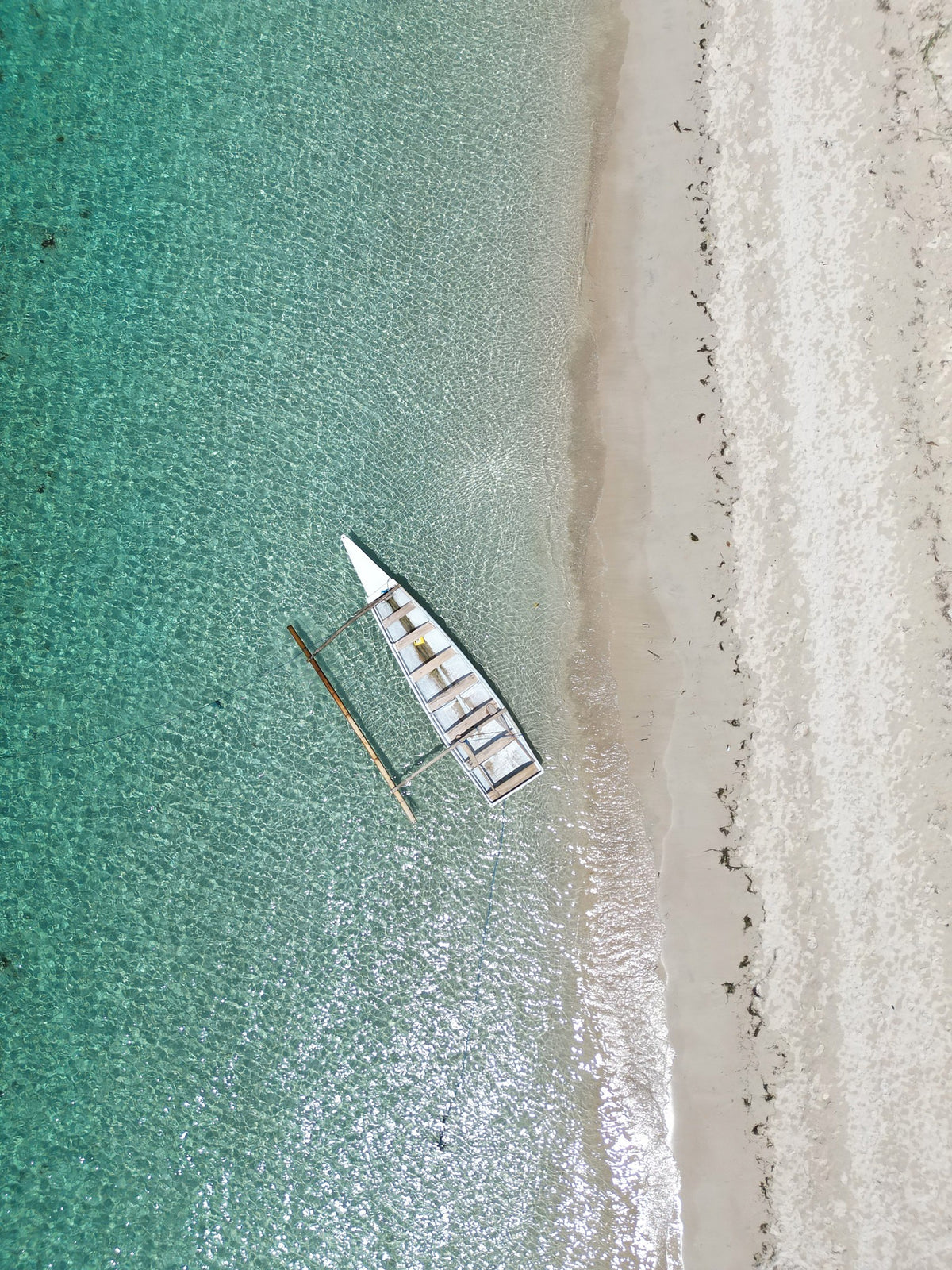
Traditional weaving, village visits and coastal scenery add a strong cultural dimension to Alor. These visits are most rewarding with local context and enough time to understand what you are seeing, rather than a quick photographic stop.
Snorkelling may be excellent in suitable sheltered areas, while remote-island time is part of the appeal. Non-divers should be comfortable with limited shopping and evening entertainment. A resort with an enjoyable setting makes the slower days especially valuable.
Getting to Alor
Fly through Kupang to Alor and continue with resort-arranged transfers.
Choose arrival and departure times around the onward transfer, especially when a boat crossing or a long road journey is involved. Leave space for a relaxed final day ashore and an appropriate interval between the last dive and flying.
Alor diving questions
What makes Alor worth a diving trip?
In Alor, a day can move from a quiet macro search to a wall of clear water and powerful flow. Volcanic islands, small coastal communities and an extraordinary variety of reef settings make the journey feel exploratory.
How should I plan my stay?
A resort gives repeated access to one part of the strait and its macro sites; a liveaboard may connect Alor with other eastern Indonesian regions. Compare the time actually spent in Alor, not only the embarkation port. Six to eight nights suits a focused first visit.
When is a useful time to visit?
April to November is the established planning window. Thermoclines and strong tidal flow can change the feel of a dive quickly, so thermal protection and current experience matter even during the drier months. A varied programme should include both sheltered and exposed habitats.
Is there enough for non-diving companions?
Traditional weaving, village visits and coastal scenery add a strong cultural dimension to Alor. These visits are most rewarding with local context and enough time to understand what you are seeing, rather than a quick photographic stop.
A closer look at Alor




Plan your Alor trip
Tell us the experiences you most want, your preferred dates and how you like to travel. We can bring the destination, accommodation and diving into one coherent itinerary.
Plan my trip