

Destination guide · Indonesia
Pulau Weh & Banda Aceh Diving
Pulau Weh sits where deep water meets a compact island coastline. Its diving moves between energetic points, dramatic structures and calmer reef corners, while nearby Banda Aceh gives the journey a distinctive cultural setting.
Pulau Weh & Banda Aceh at a glance
Pulau Weh sits at Indonesia’s northwestern edge where deep ocean water and tidal movement shape an unusually varied dive scene. Current-swept pinnacles, steep walls, volcanic formations and blue-water exposure create a more energetic profile than many resort-style Indonesian destinations.
The island is not only about fast dives. Sheltered reefs and house-reef areas add macro subjects, night diving and easier profiles, while Banda Aceh gives the journey a distinctive cultural and historical layer. The strongest itinerary mixes high-energy sites with calmer reefs rather than treating every dive as a current dive.
Planning your Pulau Weh & Banda Aceh stay
Choose a dive base according to the sites, shore access and atmosphere you prefer. Four to six diving days can mix current-led outings with gentler reef and night dives. The deep Sophie Rickmers wreck is a specialist undertaking and should not be treated as an ordinary recreational option.

Lumba Lumba Diving Centre & Beach Resort
A long-running Pulau Weh dive centre and beach resort with spacious fan or air-conditioned Living Rooms, three-dive days and access to reefs, walls and wrecks.
When to dive Pulau Weh & Banda Aceh
October to May is a useful planning window in the existing programme. Site exposure and tidal flow still control the day’s choices. Keep alternative sheltered dives in the itinerary and allow space around ferry connections when the sea is unsettled.
Planning window: Best October–May.
What the diving is like
Advanced Open Water is recommended for the strongest current and deeper sites; easier reefs and house-reef dives can suit less-experienced divers.
Current-swept pinnacles
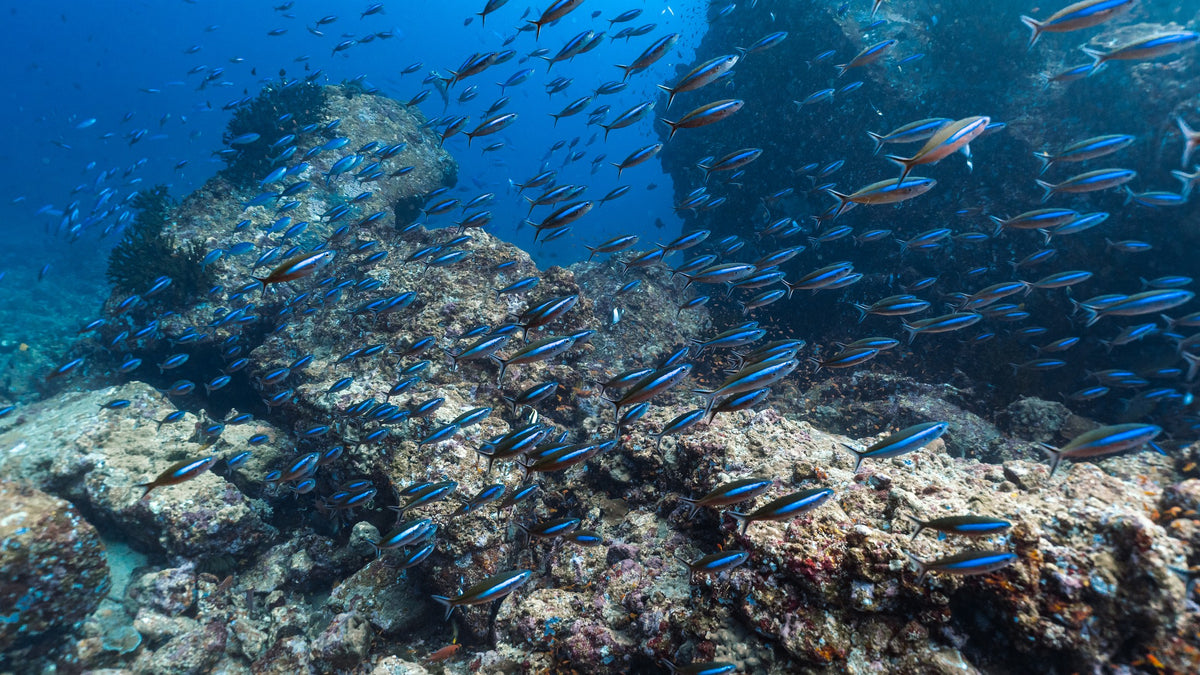
Sites around Pulau Weh can funnel strong water around rocks and ridges, concentrating fusiliers, trevally, barracuda and occasional reef sharks or rays. The best line and entry point depend on the tide, so local timing matters more than a fixed site checklist.
Dramatic walls and canyon terrain
Deep walls, ridges and the well-known Canyon give Pulau Weh a strong wide-angle identity. Gorgonians, rocky structure and open-ocean visibility make these dives especially rewarding when current and sea state are favourable.
Macro and relaxed reef diving
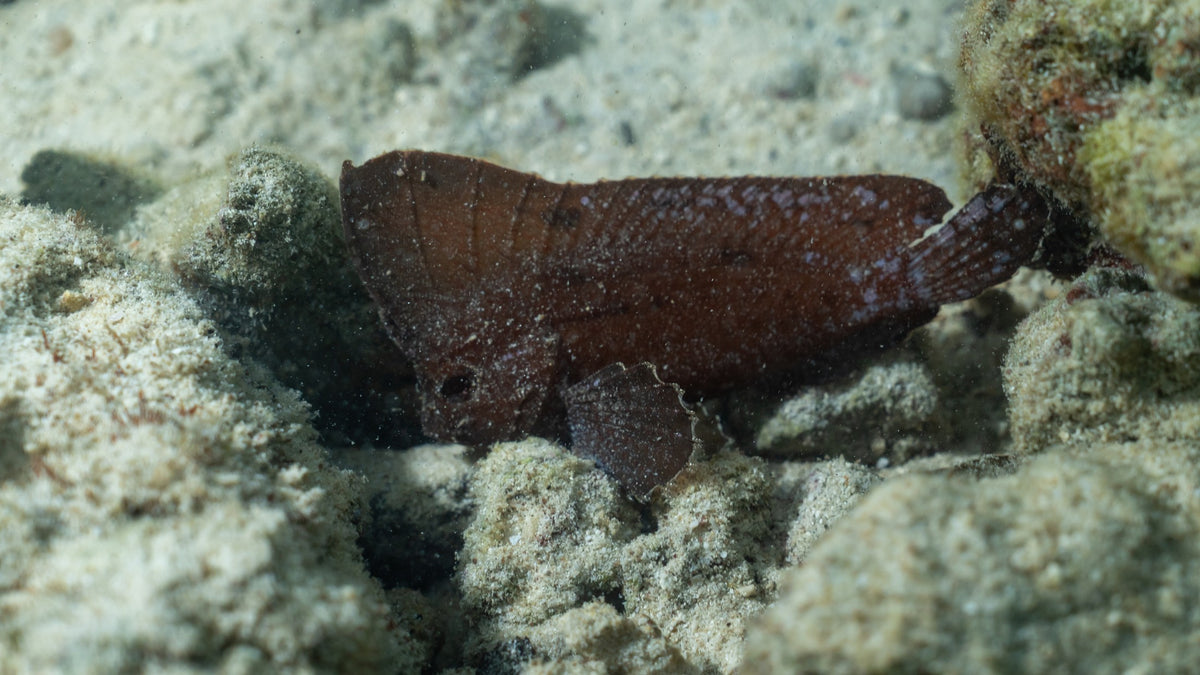
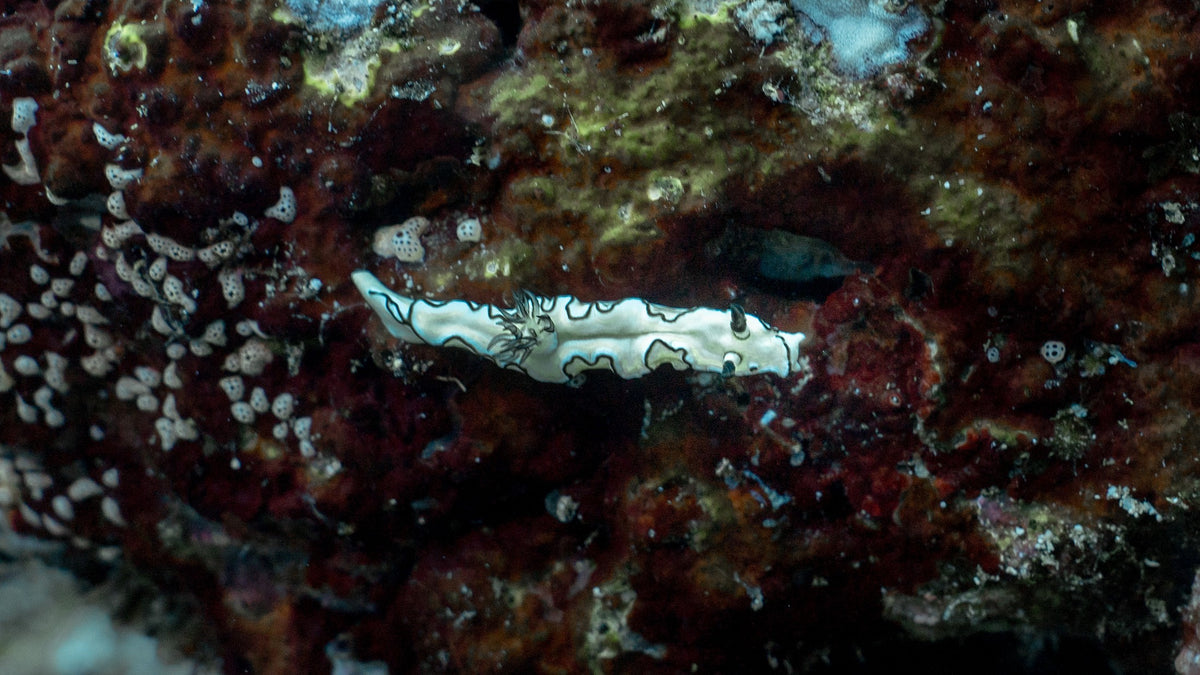
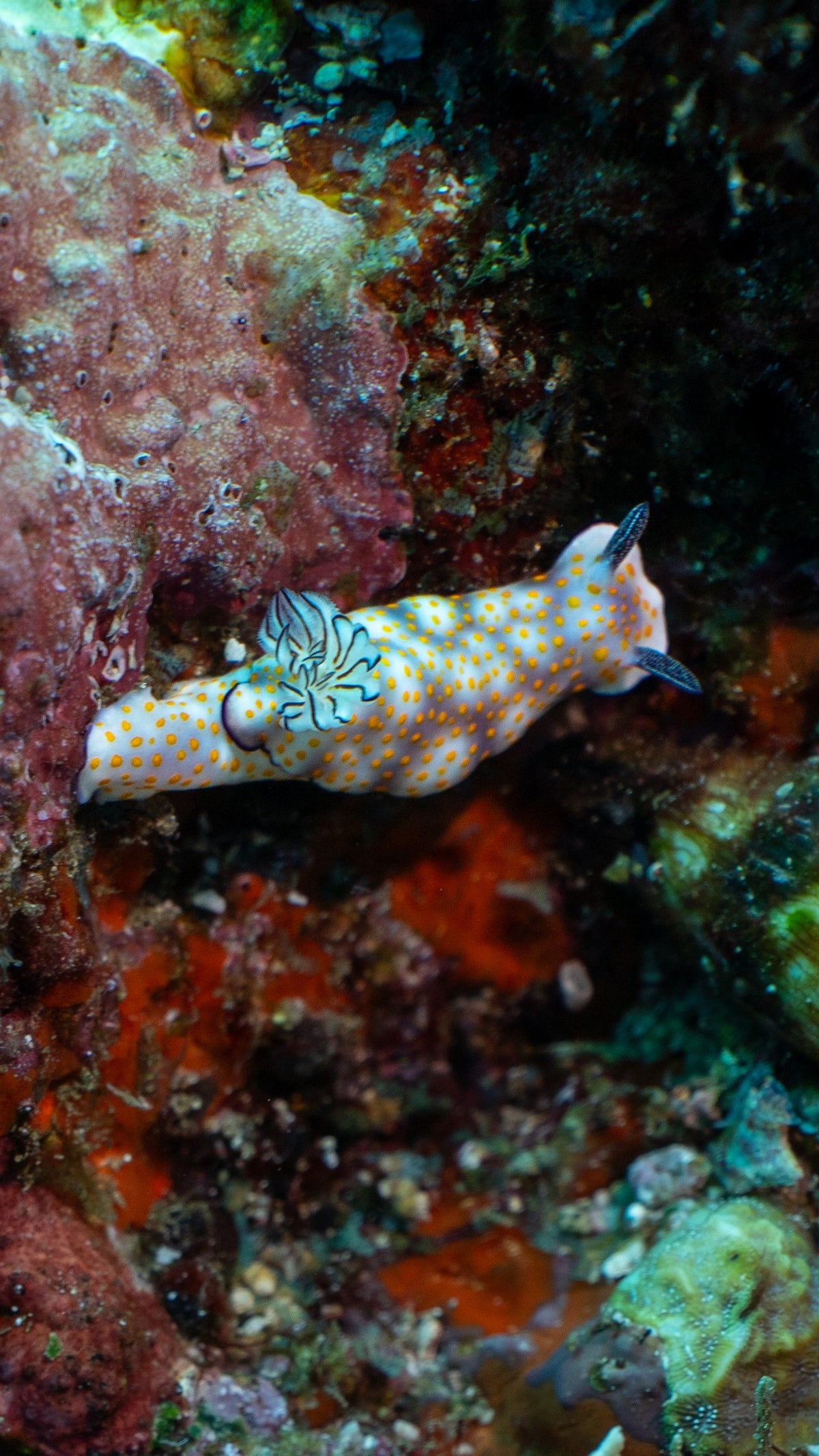
Gapang and other sheltered local reefs balance the destination’s high-energy reputation with slower dives for nudibranchs, pipefish, scorpionfish, crustaceans and night-diving subjects. They are useful for check dives, photographers and mixed-experience groups.
Historic deep-wreck option
The Sophie Rickmers is a specialist deep wreck rather than a standard recreational attraction. It should only be considered for appropriately trained divers with the correct gas, depth planning and local technical-diving support.
DIVE SITE GUIDE
Dive sites in Pulau Weh & Banda Aceh
Explore the character of individual sites, from the setting and marine life to the diving conditions. Open a card for the full description; site access and the final profile depend on conditions and experience.
ORIENTATION MAP
Where the dive sites are
Use the map to understand how the key sites are spread around the destination. Pins are for trip-planning orientation only; entry points, moorings and the final dive plan are always confirmed by the local operator on the day.
Coordinates are planning references compiled from current dive-site sources. They are not navigation coordinates; entry points, moorings, tide windows and the final dive plan are always confirmed by the local operator on the day.
Pinnacle · Current · Pelagic
Batee Tokong
Batee Tokong is Pulau Weh’s signature pinnacle, a steep rock in exposed water where current brings fish onto the structure.
Explore this dive site
- Type
- Pinnacle · Current · Pelagic
- Depth
- 8–30 m
- Experience
- Advanced
- Current
- Strong
Batee Tokong is Pulau Weh’s signature pinnacle, a steep rock in exposed water where current brings fish onto the structure. Moray eels pack the cracks, while barracuda, trevally, rays and reef sharks may work the current-facing side.
The north-side Shark Plateau around the mid-twenties is the more demanding part of the dive and is best for experienced divers with solid current skills. The route changes with tide rather than following a fixed circuit. A good dive keeps the group close to the pinnacle for shelter, uses a controlled descent and finishes shallower on the rock instead of drifting into open blue water.
Look for: Current-swept pinnacle · Reef sharks possible · Moray-rich reef · Advanced only
Best for: Reef sharks · Morays · Barracuda · Big-fish action
Drift · Rocky slope · Pelagic
Seulako Drift
Seulako Drift is a true current dive rather than a reef tour.
Explore this dive site
- Type
- Drift · Rocky slope · Pelagic
- Depth
- 20–30 m
- Experience
- Advanced
- Current
- Strong
Seulako Drift is a true current dive rather than a reef tour. The group descends together onto a rocky slope and lets the water set the route, with trevally, reef sharks and rays among the larger animals associated with the site.
The working depth is already around 20–30 metres, so gas, no-decompression time and group discipline all matter. Surface-marker use is part of the normal plan because the ascent often happens away from the reef. The best divers here are not the strongest swimmers; they are the ones who stay streamlined, remain close to the guide and let the boat follow the group down-current.
Look for: Fast drift · Devil rays possible · Reef sharks · Open-water ascent
Best for: Devil rays · Reef sharks · Trevally · Fast drift
Coral garden · Reef slope
Rubiah Sea Garden
Rubiah Sea Garden is the calm counterweight to Weh’s exposed points.
Explore this dive site
- Type
- Coral garden · Reef slope
- Depth
- 5–30 m
- Experience
- Beginner–Intermediate
- Current
- Mild
Rubiah Sea Garden is the calm counterweight to Weh’s exposed points. Branching hard coral begins in the shallows and a rocky slope continues toward sand past 30 metres, giving divers complete control over how deep the dive becomes.
Morays, nudibranchs, flatworms and reef fish make the site productive even when the outer pinnacles are undiveable. The upper reef is strong enough that there is little reason to chase depth, which makes it useful for check dives, newer divers and photographers who want long bottom times. It is also a good reminder that Pulau Weh is not only a big-fish destination.
Look for: Relaxed coral garden · Mild current · Macro · Beginner accessible
Best for: Hard coral · Macro · Check dives · Photography
Deep wreck · Technical / decompression
Sophie Rickmers Wreck
Sophie Rickmers is a 134-metre German cargo ship resting upright in Pria Laot Bay and is one of Pulau Weh’s most serious dives.
Explore this dive site
- Type
- Deep wreck · Technical / decompression
- Depth
- 37–55+ m
- Experience
- Expert / Technical
- Current
- Mild
Sophie Rickmers is a 134-metre German cargo ship resting upright in Pria Laot Bay and is one of Pulau Weh’s most serious dives. The wheelhouse begins around 37 metres, the decks sit deeper and the bow extends beyond normal recreational limits. This is not a casual Advanced Open Water wreck: the useful profile is a staged decompression dive requiring appropriate training, gas planning and operator preparation.
The sheltered bay reduces current, but depth is the dominant risk. For qualified divers, the intact scale of the ship, coral growth and schooling fish make it exceptional. Recreational divers should choose Pulau Weh’s shallower wrecks instead of stretching limits here.
Look for: 134 m cargo ship · 37–55+ m · Decompression dive · Technical profile
Best for: Historic wreck · Technical diving · Deep photography
Wreck · Artificial reef
Tugboat Wreck
Pulau Weh’s Tugboat Wreck is the accessible alternative to Sophie Rickmers.
Explore this dive site
- Type
- Wreck · Artificial reef
- Depth
- 15–20 m
- Experience
- Beginner–Intermediate
- Current
- Mild
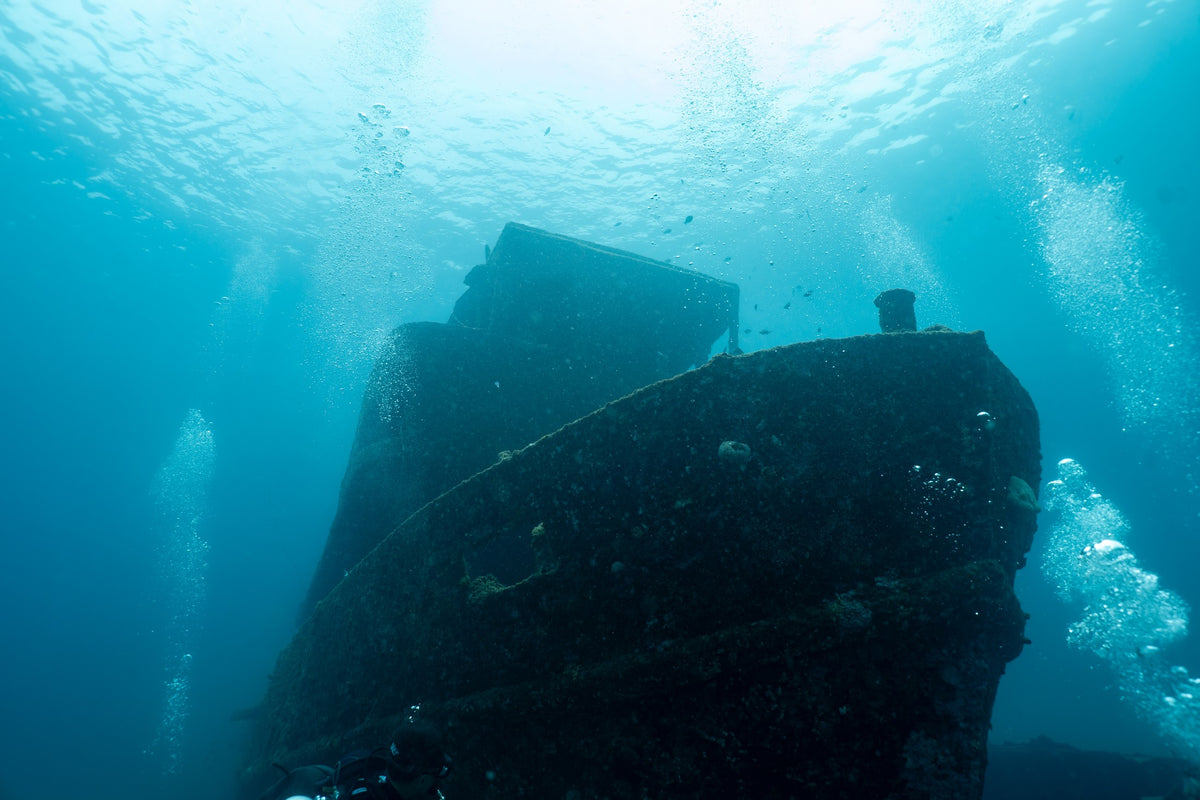
Pulau Weh’s Tugboat Wreck is the accessible alternative to Sophie Rickmers. The small iron tug sits in Sabang Harbour at roughly 15–20 metres and is compact enough to circle comfortably in one dive. Its upright shape is easy to read, making it useful for divers learning how to approach a wreck without entering overhead spaces.
Coral growth and fish occupy the hull, and the sheltered harbour usually keeps current manageable. The exterior alone provides a complete dive; any entry into corroded structure should be reserved for properly trained wreck divers. Its moderate depth also leaves time for a second close photographic pass before ascent.
Look for: Shallow wreck · Good first wreck dive · Mild current · No penetration needed
Best for: First wreck dive · Exterior exploration · Photography
Geothermal sand · Shallow reef
Vulcano / Hot Springs
Vulcano is one of Pulau Weh’s most unusual dives because the attraction is geological rather than a wall or wreck.
Explore this dive site
- Type
- Geothermal sand · Shallow reef
- Depth
- 5–15 m
- Experience
- Beginner
- Current
- Mild
Vulcano is one of Pulau Weh’s most unusual dives because the attraction is geological rather than a wall or wreck. Warm water and gas bubble through cracks in a shallow sandy bottom, and the exact vent shapes can change between visits.
The site is shallow, current is generally mild and the profile makes it suitable as a relaxed second dive. Divers should avoid digging into or touching the vents; the experience is simply to hover above them and watch the seabed come alive. Reef fish and small subjects add interest around the edges, but the geothermal activity is what makes this dive unique within the island’s programme.
Look for: Geothermal vents · 5–15 m · Beginner friendly · Volcanic geology
Best for: Geothermal vents · Easy dive · Unusual geology
Rock cleft · Wall · Current
The Canyon
The Canyon is an exposed northwest Pulau Weh site built around a dramatic cleft and steep reef faces.
Explore this dive site
- Type
- Rock cleft · Wall · Current
- Depth
- 15–40 m
- Experience
- Advanced
- Current
- Strong possible
The Canyon is an exposed northwest Pulau Weh site built around a dramatic cleft and steep reef faces. On a running tide, current funnels past the rock and can bring barracuda, trevally and reef sharks into the blue.
The depth range extends well beyond what is needed for a strong dive, so the guide normally keeps the group in a planned band and uses the reef for shelter. This is not a site to improvise: the tide determines whether it is enjoyable or unnecessarily difficult. Wide-angle photographers benefit from the combination of rock architecture and fish traffic, while the shallower return gives a controlled place to end the dive.
Look for: Rock cleft · Strong current possible · Big-fish potential · Wide-angle topography
Best for: Topography · Barracuda · Trevally · Wide angle
Channel · Drift · Current
Arus Balee
Arus Balee is Pulau Weh’s current specialist site.
Explore this dive site
- Type
- Channel · Drift · Current
- Depth
- 10–30 m
- Experience
- Advanced
- Current
- Very strong / variable
Arus Balee is Pulau Weh’s current specialist site. Its name refers to the difficult water movement, and local operators only run it when tide and diver experience make sense.
Flow can shift direction and include up- or down-current, so this is a site for divers with recent drift experience rather than a place to learn in real time. Trevally, tuna and reef sharks are the payoff when the water is moving productively. The correct dive is short on heroics: descend efficiently, stay close to the guide, use the reef where possible and deploy a surface marker before leaving the structure for ascent.
Look for: Very strong current · Trevally & tuna · Reef sharks possible · Expert drift skills
Best for: Trevally · Tuna · Reef sharks · High-energy drift
Underwater photography
At Batee Tokong, reef sharks, Morays, Barracuda, Big-fish action give an idea of the photographic possibilities. Choose the camera setup for the planned sites, then leave time to observe the scene before making the image. Repeating a productive dive often creates better opportunities than constantly searching for a different location. For reef scenes, use the shape of the reef and the available light to give the image depth. A diver at a respectful distance can provide scale without crowding an animal.
Beyond diving: Pulau Weh & Banda Aceh above the surface
Beach time, Sabang touring and island viewpoints make an enjoyable break from the sea. The island is compact, but leaving time for stops and local meals makes touring more rewarding than racing around a circuit.
Banda Aceh can add historical sites and a thoughtful introduction to the region before the ferry crossing. Respect local customs in dress and behaviour, particularly away from the beach. A night on the mainland also creates breathing room around flight and ferry connections.
Getting to Pulau Weh & Banda Aceh
Fly to Banda Aceh (BTJ), continue to the Ulee Lheue ferry terminal, cross to Sabang and then transfer by road to the selected Pulau Weh base. Ferry timing and road transfers should be reconfirmed for the actual travel date.
Choose arrival and departure times around the onward transfer, especially when a boat crossing or a long road journey is involved. Leave space for a relaxed final day ashore and an appropriate interval between the last dive and flying.
Pulau Weh & Banda Aceh diving questions
What makes Pulau Weh & Banda Aceh worth a diving trip?
Pulau Weh sits where deep water meets a compact island coastline. Its diving moves between energetic points, dramatic structures and calmer reef corners, while nearby Banda Aceh gives the journey a distinctive cultural setting.
How should I plan my stay?
Choose a dive base according to the sites, shore access and atmosphere you prefer. Four to six diving days can mix current-led outings with gentler reef and night dives. The deep Sophie Rickmers wreck is a specialist undertaking and should not be treated as an ordinary recreational option.
When is a useful time to visit?
October to May is a useful planning window in the existing programme. Site exposure and tidal flow still control the day’s choices. Keep alternative sheltered dives in the itinerary and allow space around ferry connections when the sea is unsettled.
Is there enough for non-diving companions?
Beach time, Sabang touring and island viewpoints make an enjoyable break from the sea. The island is compact, but leaving time for stops and local meals makes touring more rewarding than racing around a circuit.
A closer look at Pulau Weh & Banda Aceh


Plan your Pulau Weh & Banda Aceh trip
Tell us the experiences you most want, your preferred dates and how you like to travel. We can bring the destination, accommodation and diving into one coherent itinerary.
Plan my trip