

Destination guide · Indonesia
Banda Neira & Banda Islands Diving
Banda’s reefs lie beneath volcanic scenery and islands shaped by the spice trade. Coral gardens, offshore rock formations and blue-water possibilities make the diving compelling, while Banda Neira adds a reason to come ashore and stay.
Banda Neira & Banda Islands at a glance
The Banda Islands combine volcanic reef scenery, historic spice-trade settlements and remote blue-water diving. Coral-covered slopes, sea snakes and seasonal pelagic potential give the region an adventurous character that extends well beyond a conventional resort stay.
Transport schedules and open-sea conditions demand careful planning and generous buffers. Hammerhead and other wildlife encounters cannot be guaranteed, but the islands’ reefs, history and isolation provide a compelling expedition even when large animals do not appear.
Planning your Banda Neira & Banda Islands stay
A Banda Neira stay gives time for local reefs and the islands’ history. A Banda Sea liveaboard may travel much farther, with different sites and substantial passages. Read the route carefully: an ocean crossing described as Banda Sea does not automatically include a long stay around Banda Neira.

The Maulana Hotel / Banda Ocean Divers
A heritage waterfront hotel and in-house Banda dive operation pairing lagoon and Gunung Api views with reefs, walls, sea snakes and seasonal hammerhead potential.
Liveaboard routes for this destination
Explore the routes that visit this region. Compare ships and itineraries, then open a route to see its sailing dates, cabins and the areas it covers.
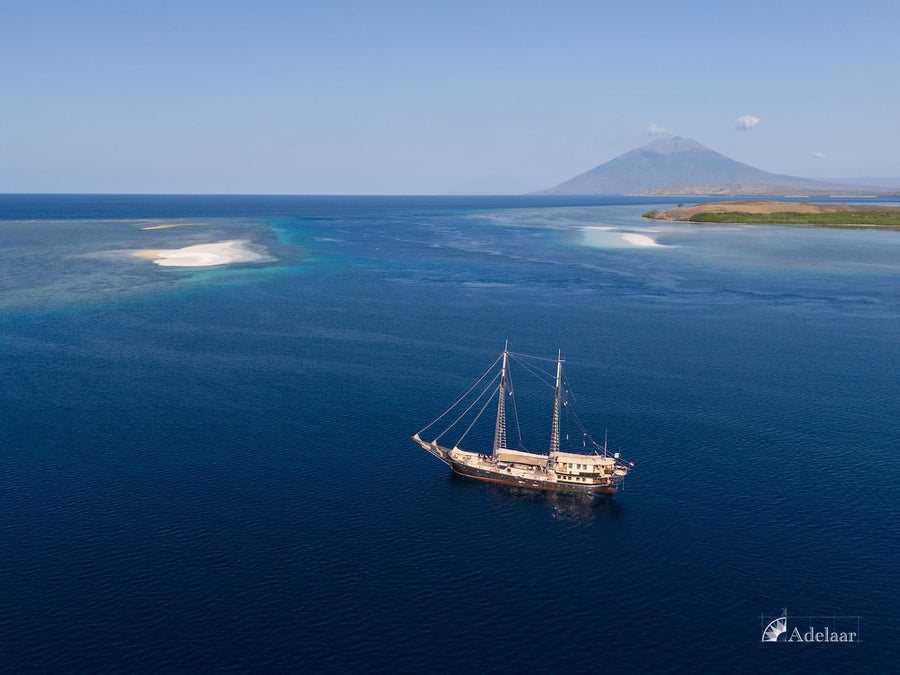
Adelaar
Banda Sea & Alor — Ambon to Maumere
- Indicative duration
- 10 nights
- Embarkation
- Ambon
- Disembarkation
- Maumere
Adelaar
Banda Sea & Alor — Maumere to Ambon
- Indicative duration
- 8 nights
- Embarkation
- Maumere
- Disembarkation
- Ambon
Adelaar
Banda Sea & Alor — Maumere to Ambon
- Indicative duration
- 9 nights
- Embarkation
- Maumere
- Disembarkation
- Ambon
Adelaar
Raja Ampat & Banda Sea — Ambon to Sorong
- Indicative duration
- 10 nights
- Embarkation
- Ambon
- Disembarkation
- Sorong
Adelaar
Raja Ampat & Banda Sea — Ambon to Sorong
- Indicative duration
- 9 nights
- Embarkation
- Ambon
- Disembarkation
- Sorong
Adelaar
Raja Ampat & Banda Sea — Sorong to Ambon
- Indicative duration
- 10 nights
- Embarkation
- Sorong
- Disembarkation
- Ambon
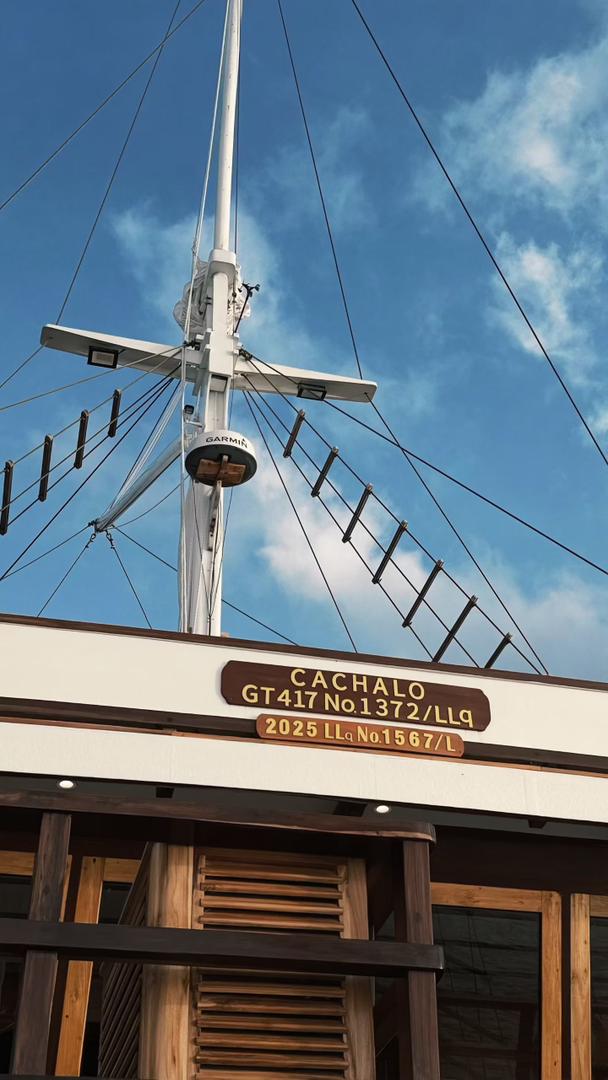
Cachalo
Alor to Ambon
- Indicative duration
- 8 nights
- Embarkation
- Alor
- Disembarkation
- Ambon
Cachalo
Ambon to Raja Ampat — Ambon to Sorong
- Indicative duration
- 7 nights
- Embarkation
- Ambon
- Disembarkation
- Sorong
Cachalo
Banda Sea — Ambon to Ambon
- Indicative duration
- 7 nights
- Embarkation
- Ambon
- Disembarkation
- Ambon
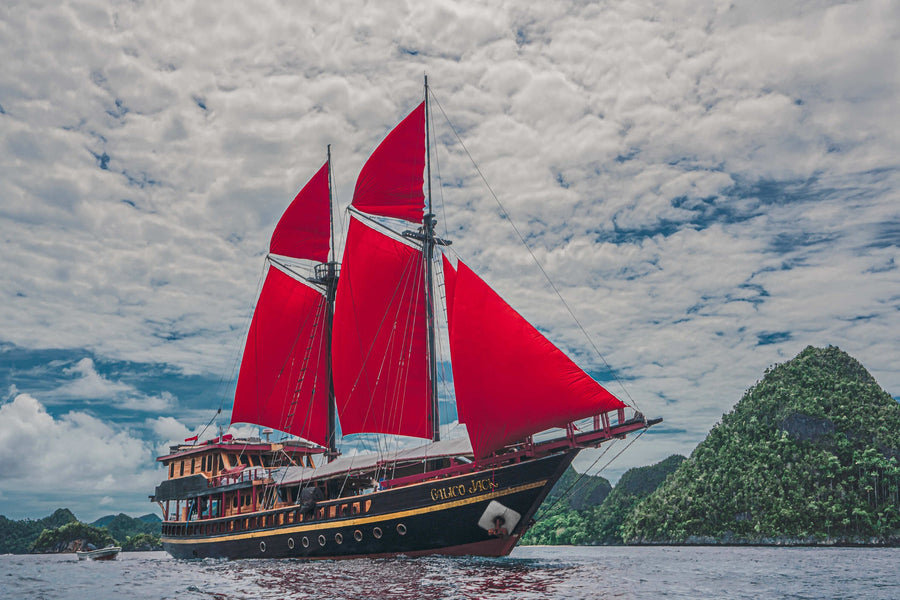
Calico Jack
Banda Neira & Misool — Ambon to Sorong
- Indicative duration
- 11 nights
- Embarkation
- Ambon
- Disembarkation
- Sorong
Calico Jack
Banda Neira & Misool — Sorong to Ambon
- Indicative duration
- 11 nights
- Embarkation
- Sorong
- Disembarkation
- Ambon
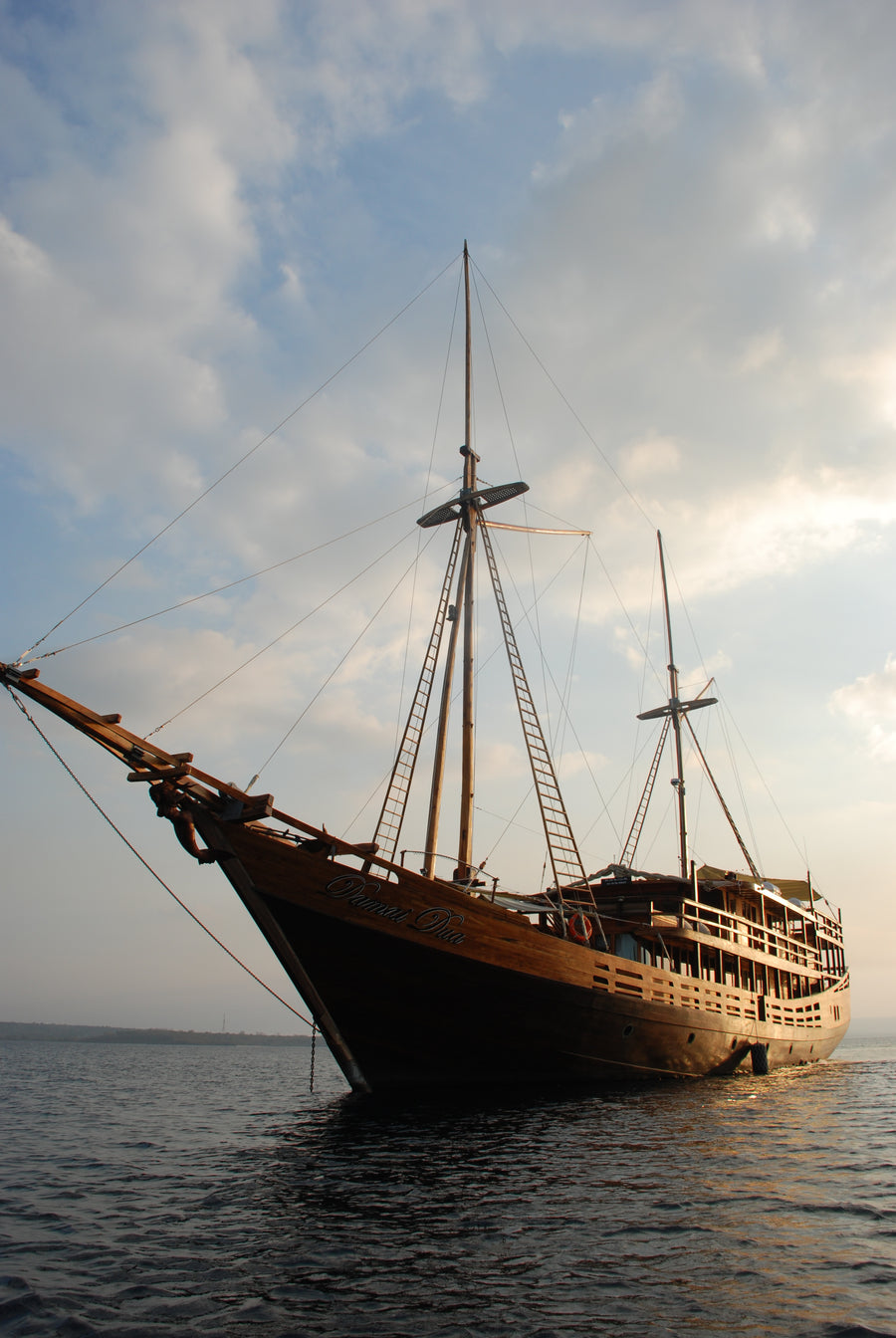
DAMAI II
Triton Bay, Forgotten Islands & Banda Sea
- Indicative duration
- 11 nights
- Embarkation
- Kaimana
- Disembarkation
- Ambon
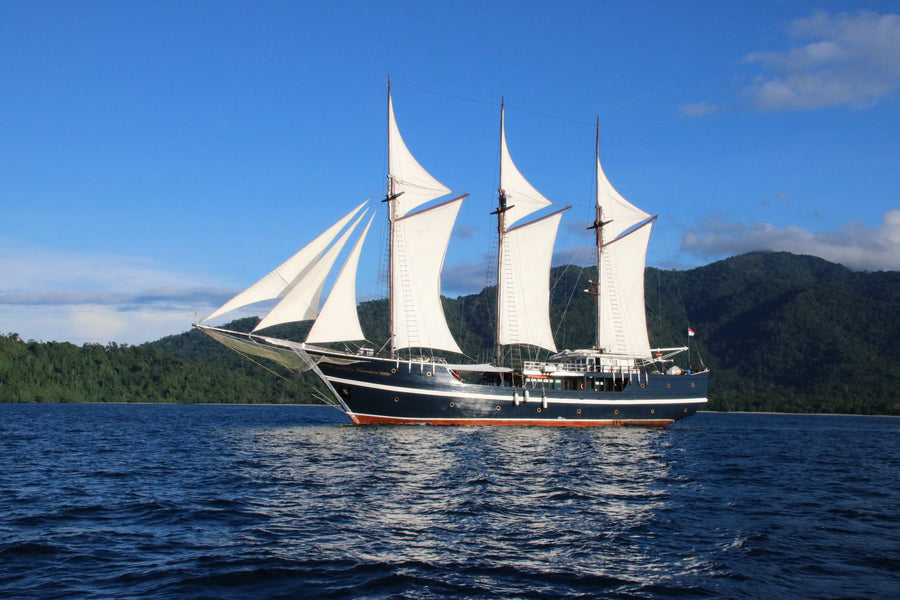
Dewi Nusantara
Ambon, Historic Banda, The Forgotten Islands & Alor — Ambon to Kalabahi
- Indicative duration
- 11 nights
- Embarkation
- Ambon
- Disembarkation
- Kalabahi
Dewi Nusantara
Ambon, the Banda Islands, Koon & Misool, South Raja Ampat — Ambon to Sorong
- Indicative duration
- 11 nights
- Embarkation
- Ambon
- Disembarkation
- Sorong
Dewi Nusantara
Indonesia Oceania: Route II - Triton Bay, The Bomberai Peninsula, Banda Islands & Ambon — Kaimana to Ambon
- Indicative duration
- 11 nights
- Embarkation
- Kaimana
- Disembarkation
- Ambon
Dewi Nusantara
Maluku - The Spice Islands - Halmahera & Ambon — Ternate to Ambon
- Indicative duration
- 11 nights
- Embarkation
- Ternate
- Disembarkation
- Ambon
Dewi Nusantara
The Forgotten Islands - Historic Banda & Ambon — Saumlaki to Ambon
- Indicative duration
- 10 nights
- Embarkation
- Saumlaki
- Disembarkation
- Ambon
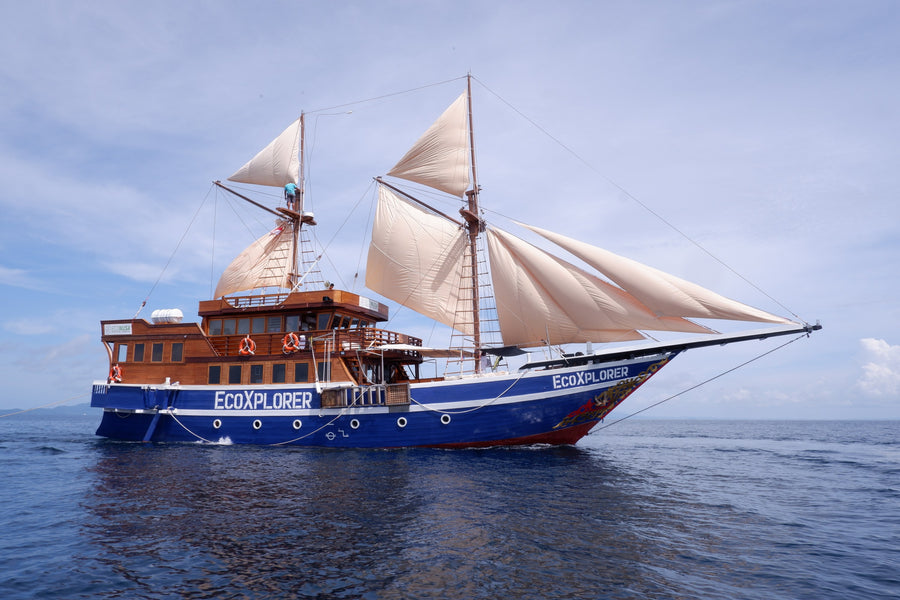
EcoXplorer
Banda – Misool
- Indicative duration
- 10 nights
- Embarkation
- Tulehu
- Disembarkation
- Sorong
EcoXplorer
Misool – Banda
- Indicative duration
- 10 nights
- Embarkation
- Sorong
- Disembarkation
- Tulehu
EcoXplorer
Ring of Fire: Teon Nila Serua
- Indicative duration
- 9 nights
- Embarkation
- Tulehu
- Disembarkation
- Saumlaki
EcoXplorer
Saumlaki – Banda – Tulehu
- Indicative duration
- 9 nights
- Embarkation
- Saumlaki
- Disembarkation
- Tulehu
EcoXplorer
Tulehu – Banda – Saumlaki
- Indicative duration
- 7 nights
- Embarkation
- Tulehu
- Disembarkation
- Saumlaki
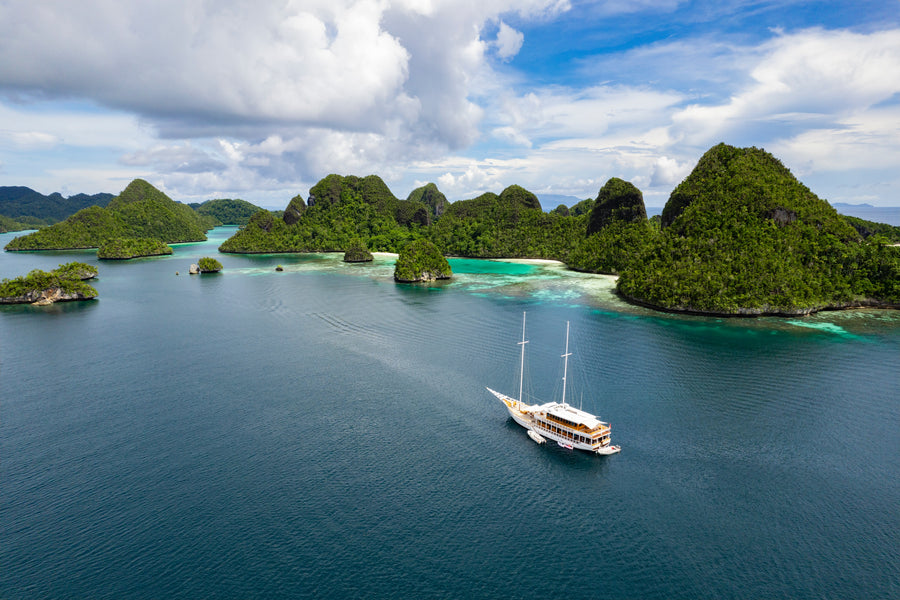
Fenides
Banda Sea
- Indicative duration
- 10 nights
- Embarkation
- Ambon
- Disembarkation
- Ambon
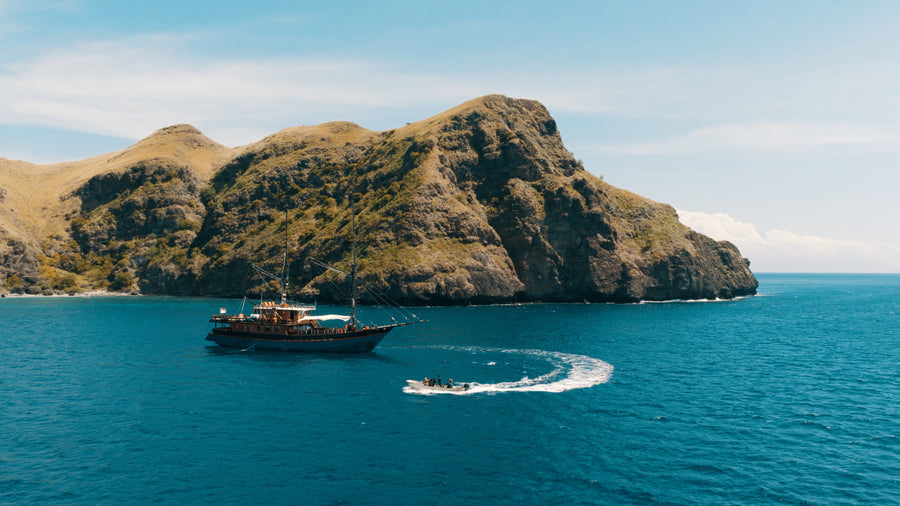
Iliké
Alor, Banda & Maluku — Alor to Ambon
- Indicative duration
- 12 nights
- Embarkation
- Alor
- Disembarkation
- Ambon
Iliké
Maluku & Raja Ampat — Ambon to Sorong
- Indicative duration
- 13 nights
- Embarkation
- Ambon
- Disembarkation
- Sorong
Iliké
Maluku, Banda & Alor — Ambon to Alor
- Indicative duration
- 12 nights
- Embarkation
- Ambon
- Disembarkation
- Alor
Iliké
Raja Ampat & Maluku — Sorong to Ambon
- Indicative duration
- 11 nights
- Embarkation
- Sorong
- Disembarkation
- Ambon
Iliké
Raja Ampat & Maluku — Sorong to Ambon
- Indicative duration
- 12 nights
- Embarkation
- Sorong
- Disembarkation
- Ambon
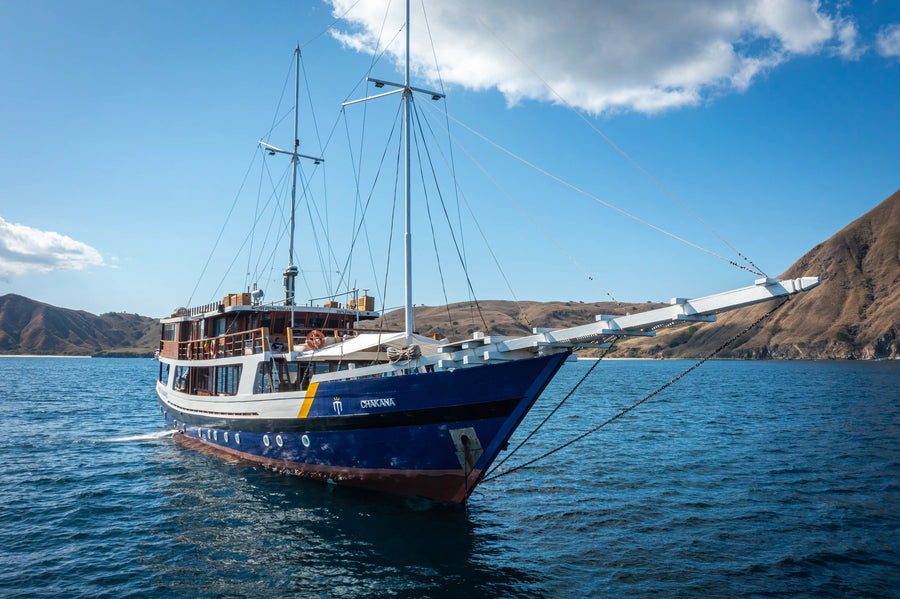
Indo Master
Banda Sea & Misool
- Indicative duration
- 12 nights
- Embarkation
- Ambon
- Disembarkation
- Sorong
Indo Master
Banda Sea
- Indicative duration
- 10 nights
- Embarkation
- Ambon / operator-confirmed gateway
- Disembarkation
- Ambon / operator-confirmed gateway
Indo Master
Banda Sea
- Indicative duration
- 7 nights
- Embarkation
- Ambon / operator-confirmed gateway
- Disembarkation
- Ambon / operator-confirmed gateway
Indo Master
Southern Forgotten Islands
- Indicative duration
- 12 nights
- Embarkation
- Alor / Kalabahi
- Disembarkation
- Saumlaki / operator-confirmed gateway
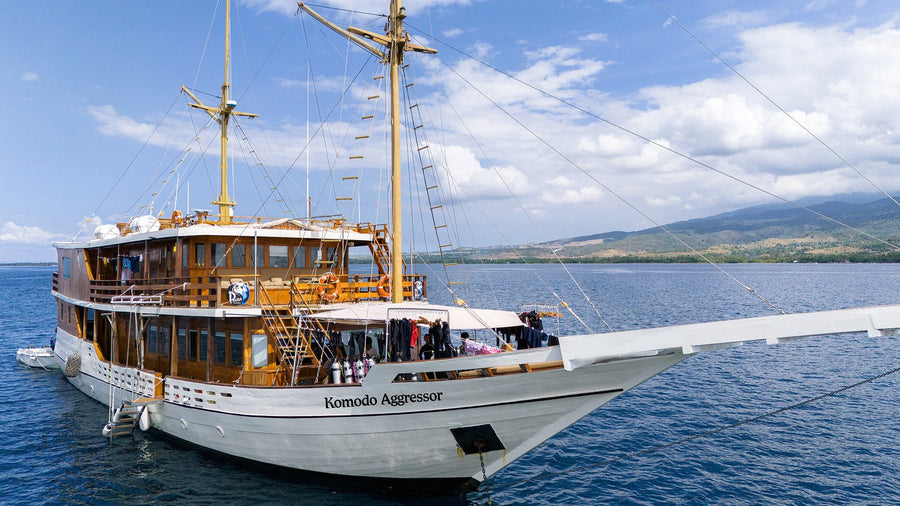
Komodo Aggressor
Banda Sea (11 nights)
- Indicative duration
- 11 nights
- Embarkation
- Alor
- Disembarkation
- Ambon
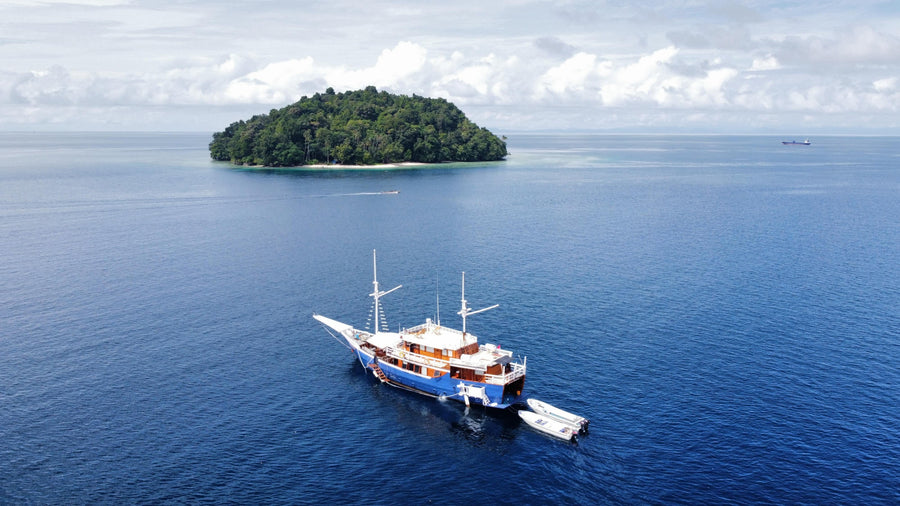
Kurabesi Nusantara
Banda Trip: Tulehu – Banda – Tulehu
- Indicative duration
- 7 nights
- Embarkation
- Tulehu
- Disembarkation
- Tulehu
Kurabesi Nusantara
Banda – Misool
- Indicative duration
- 10 nights
- Embarkation
- Tulehu
- Disembarkation
- Sorong
Kurabesi Nusantara
Misool – Banda
- Indicative duration
- 10 nights
- Embarkation
- Sorong
- Disembarkation
- Tulehu
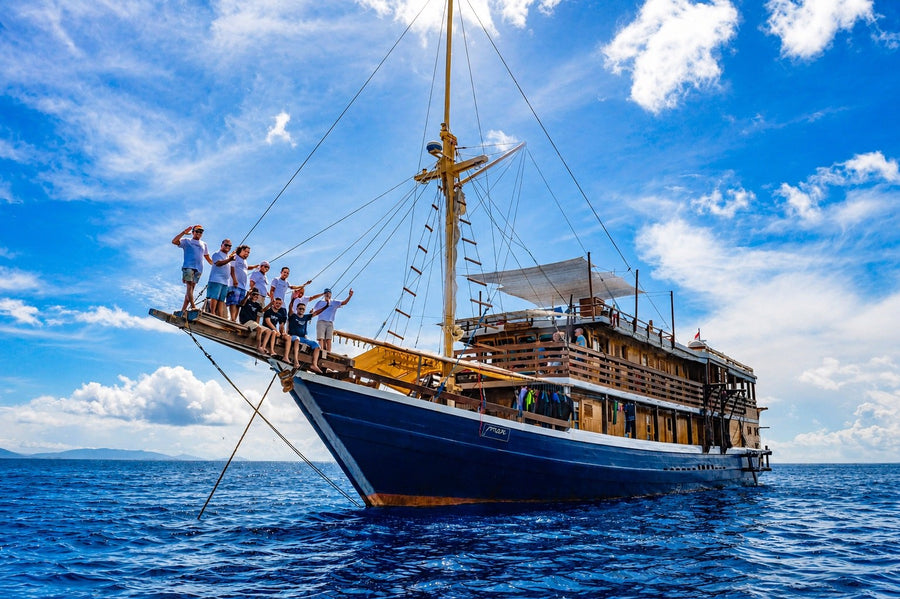
MARI Liveaboard
MARI — Ambon - Banda Sea - Alor Expedition — Ambon to Maumere
- Indicative duration
- 12 nights
- Embarkation
- Ambon
- Disembarkation
- Maumere
MARI Liveaboard
MARI — Ambon - Banda Sea - Maumere Expedition — Ambon to Maumere
- Indicative duration
- 12 nights
- Embarkation
- Ambon
- Disembarkation
- Maumere
MARI Liveaboard
MARI — Banda Sea & Triton Bay - Hammerhead Special — Ambon to Kaimana
- Indicative duration
- 12 nights
- Embarkation
- Ambon
- Disembarkation
- Kaimana
MARI Liveaboard
MARI — Banda Sea - The Ring Of Fire & Forgotten Islands — Ambon to Saumlaki
- Indicative duration
- 12 nights
- Embarkation
- Ambon
- Disembarkation
- Saumlaki
MARI Liveaboard
MARI — Forgotten Islands - Banda East - Triton Bay — Saumlaki to Kaimana
- Indicative duration
- 12 nights
- Embarkation
- Saumlaki
- Disembarkation
- Kaimana
MARI Liveaboard
MARI — Raja Ampat - Misool - Banda Sea — Sorong to Ambon
- Indicative duration
- 12 nights
- Embarkation
- Sorong
- Disembarkation
- Ambon
MARI Liveaboard
MARI — The Forgotten Islands, Banda Sea & Triton Bay — Saumlaki to Kaimana
- Indicative duration
- 12 nights
- Embarkation
- Saumlaki
- Disembarkation
- Kaimana
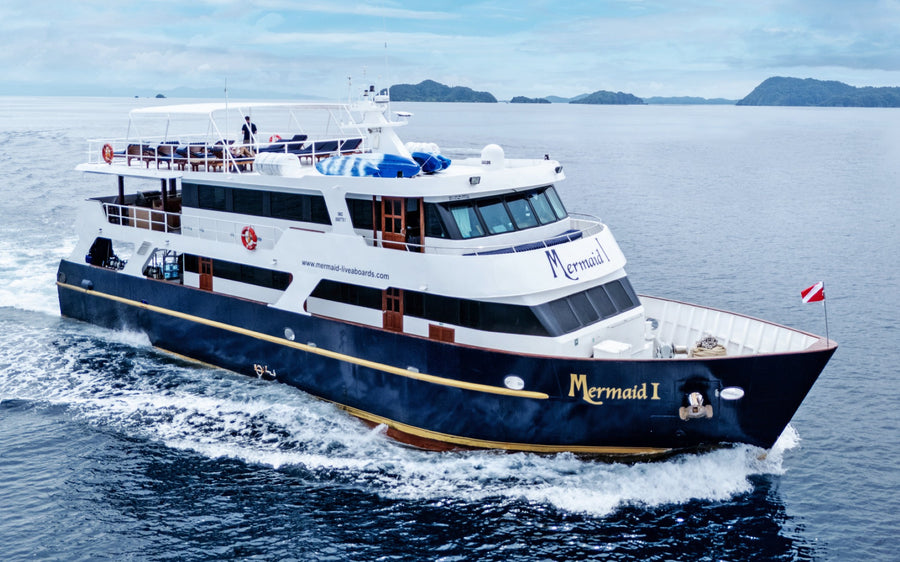
Mermaid I
Ambon, Banda Sea & Raja Ampat
- Indicative duration
- 11 nights
- Embarkation
- Ambon
- Disembarkation
- Sorong, West Papua
Mermaid I
Biodiversity Super Special: Raja Ampat, Banda Sea, Alor & Maumere
- Indicative duration
- 15 nights
- Embarkation
- Sorong or Maumere — confirm per departure
- Disembarkation
- Maumere or Sorong — confirm per departure
Mermaid I
Raja Ampat, Banda Sea, Forgotten Islands & Ambon
- Indicative duration
- 15 nights
- Embarkation
- Sorong, West Papua
- Disembarkation
- Ambon
Mermaid I
Ring of Fire: Maumere, Alor, Banda Sea & Ambon
- Indicative duration
- 11 nights
- Embarkation
- Maumere or Ambon — confirm per departure
- Disembarkation
- Ambon or Maumere — confirm per departure
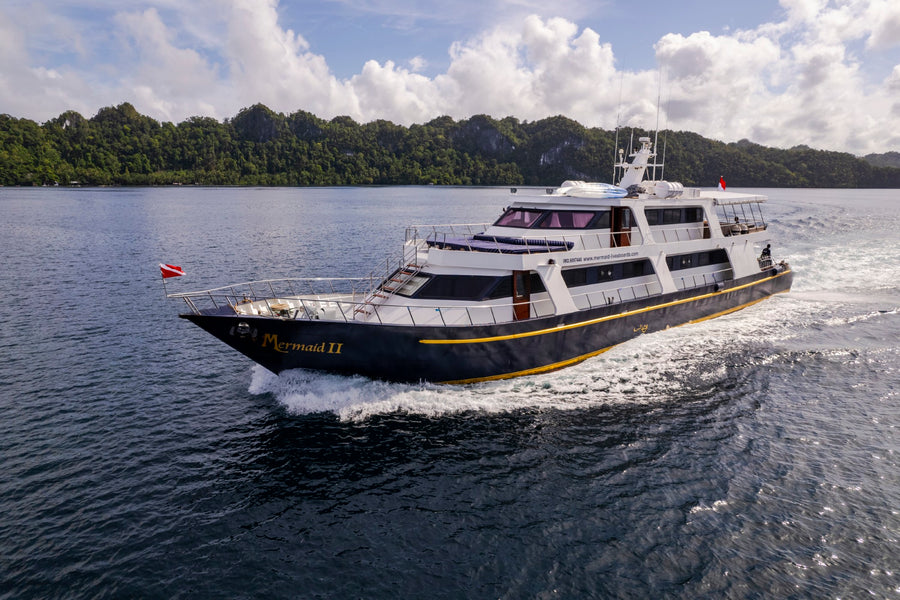
Mermaid II
Biodiversity Super Special: Raja Ampat, Banda Sea, Alor & Maumere
- Indicative duration
- 15 nights
- Embarkation
- Sorong or Maumere — confirm per departure
- Disembarkation
- Maumere or Sorong — confirm per departure
Mermaid II
Ring of Fire: Maumere, Alor, Banda Sea & Ambon
- Indicative duration
- 11 nights
- Embarkation
- Maumere or Ambon — confirm per departure
- Disembarkation
- Ambon or Maumere — confirm per departure
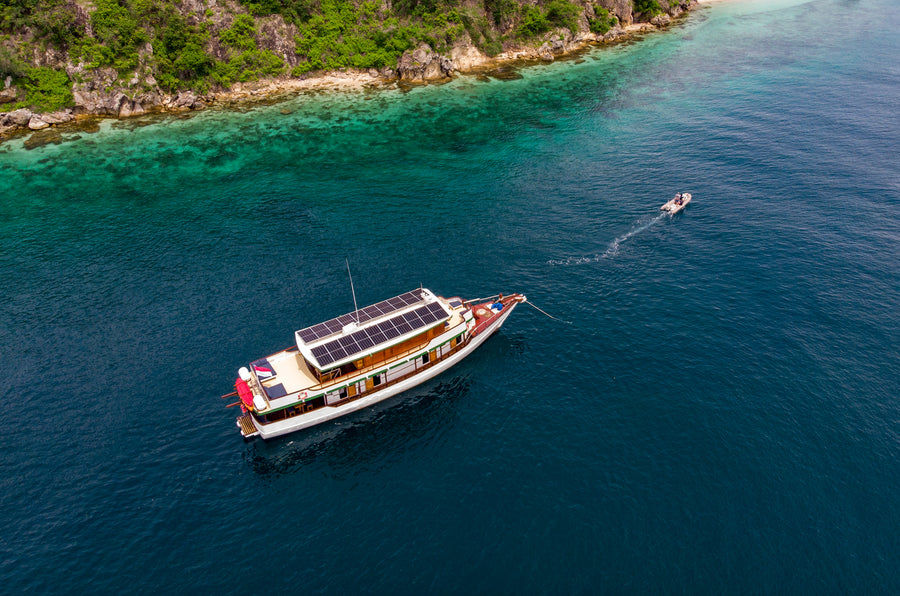
Bajau
Nomad Exploration Cruise: Forgotten Islands & Hammerhead Encounters
- Indicative duration
- 10 nights
- Embarkation
- Alor
- Disembarkation
- Ambon
Bajau
Nomad Exploration Cruise: Spice Island to Four Kings
- Indicative duration
- 10 nights
- Embarkation
- Ambon
- Disembarkation
- Sorong
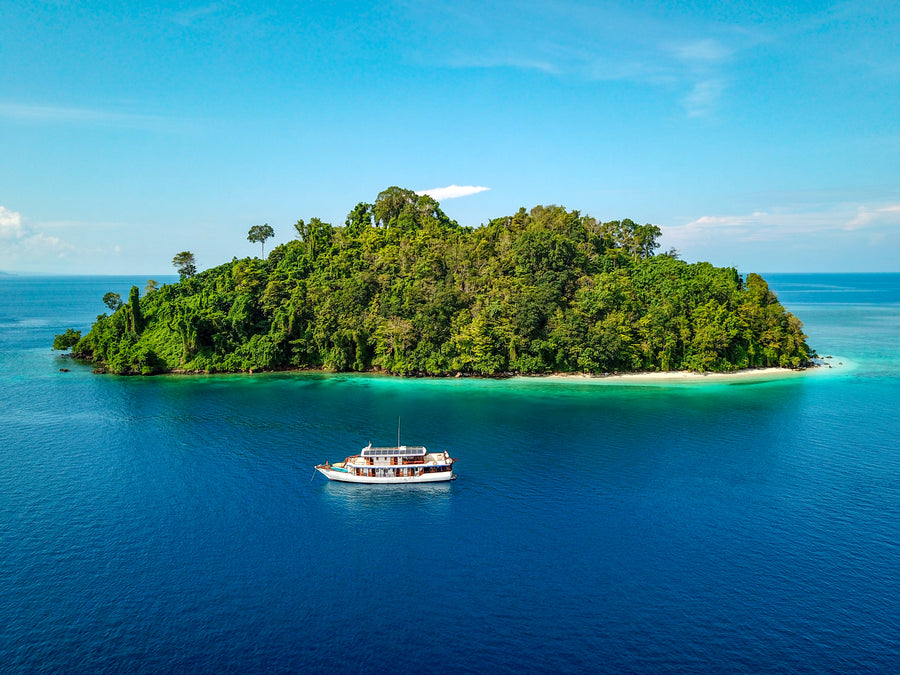
Bugis
Nomad Exploration: Raja Ampat & Banda Sea
- Indicative duration
- 10 nights
- Embarkation
- Sorong
- Disembarkation
- Ambon
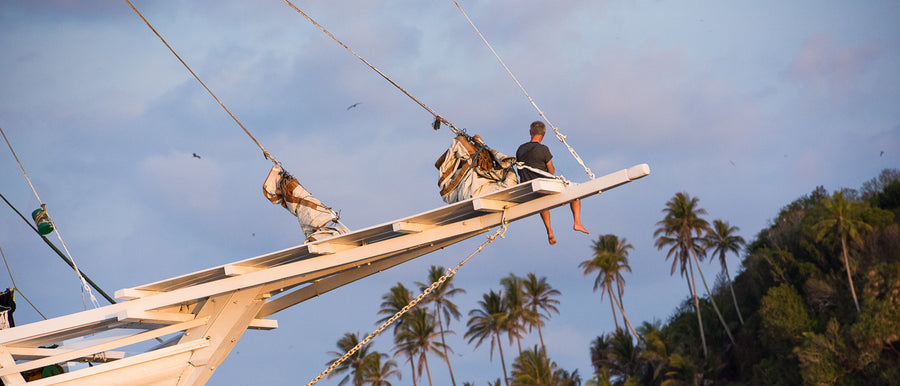
Pindito
Banda Sea
- Indicative duration
- 11 nights
- Embarkation
- Ambon, Sorong or Maumere — confirm per departure
- Disembarkation
- Ambon or Sorong — confirm per departure
Pindito
Banda Sea & Raja Ampat
- Indicative duration
- 11 nights
- Embarkation
- Ambon
- Disembarkation
- Sorong
Pindito
Biodiversity Cruise
- Indicative duration
- 13 nights
- Embarkation
- Maumere
- Disembarkation
- Sorong or Ambon
Pindito
Whale & Macro Cruise
- Indicative duration
- 11 nights
- Embarkation
- Ambon or Sorong
- Disembarkation
- Ambon or Sorong
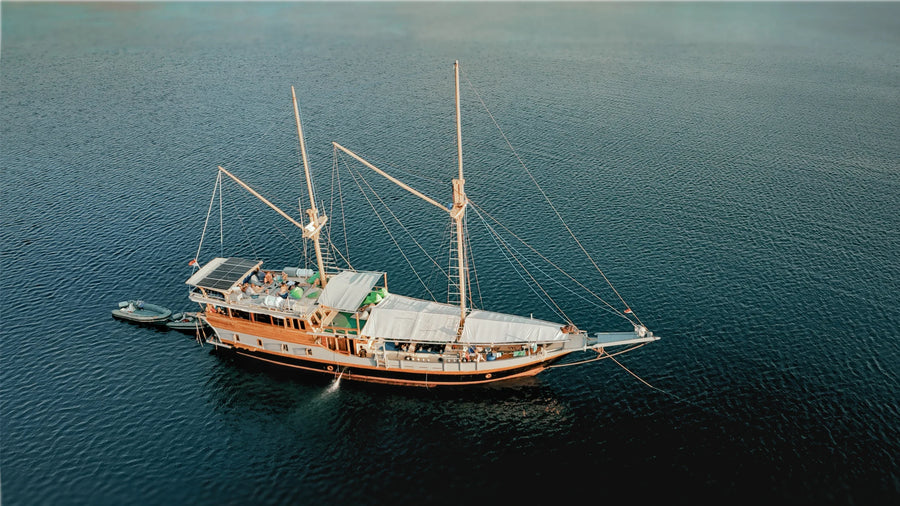
Jaya
Banda Sea & Raja Ampat Crossing
- Indicative duration
- 10 nights
- Embarkation
- Ambon or Waisai
- Disembarkation
- Waisai or Ambon
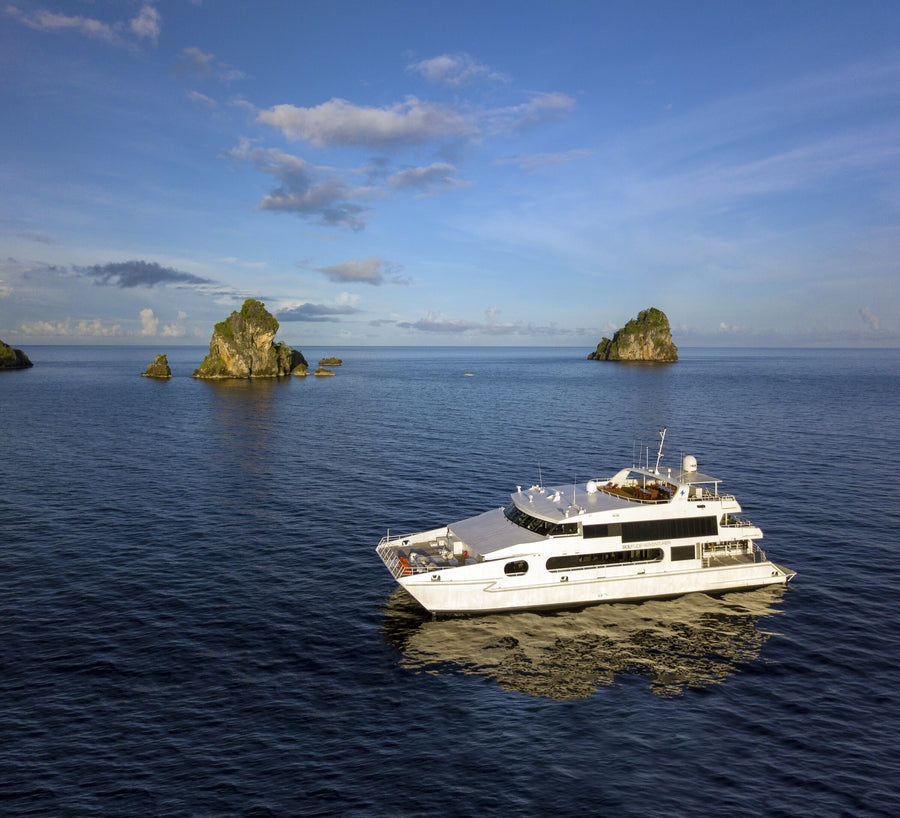
Solitude Adventurer
Alor - Forgotten Islands - Banda Sea (Maumere / Ambon - 12N)
- Indicative duration
- 12 nights
- Embarkation
- Maumere
- Disembarkation
- Ambon
Solitude Adventurer
Ambon / Banda / Raja Ampat - 12N
- Indicative duration
- 12 nights
- Embarkation
- Ambon
- Disembarkation
- Sorong
Solitude Adventurer
Ambon/Banda - 8N
- Indicative duration
- 8 nights
- Embarkation
- Ambon
- Disembarkation
- Ambon
Solitude Adventurer
Raja Ampat / Banda / Maumere - 14N
- Indicative duration
- 14 nights
- Embarkation
- Sorong
- Disembarkation
- Maumere
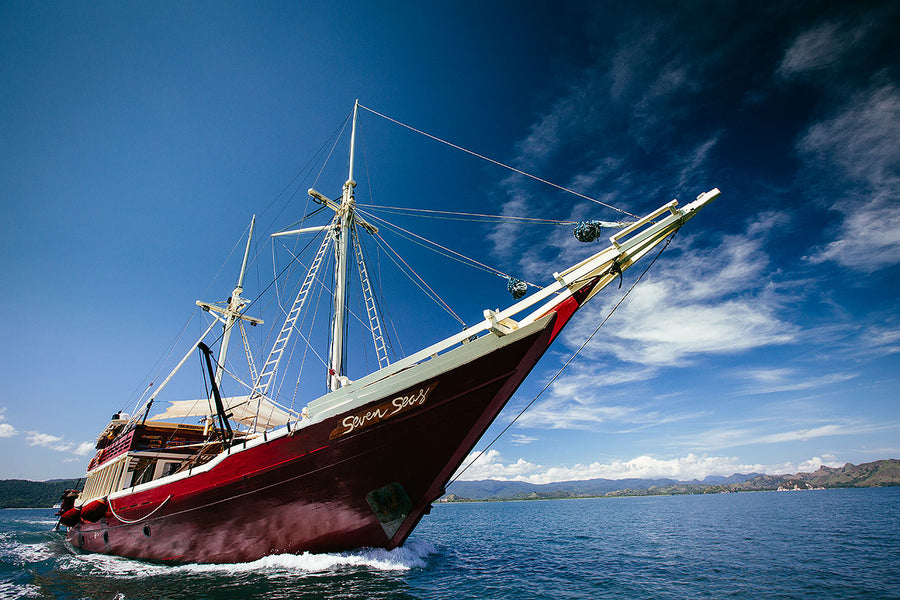
The Seven Seas
Banda Sea & Alor (Via Forgotten Islands) — Ambon to Alor
- Indicative duration
- 12 nights
- Embarkation
- Ambon
- Disembarkation
- Alor
The Seven Seas
Banda Sea & Komodo National Park — Ambon to Labuan Bajo
- Indicative duration
- 14 nights
- Embarkation
- Ambon
- Disembarkation
- Labuan Bajo
The Seven Seas
Banda Sea & Triton Bay — Tual to Kaimana
- Indicative duration
- 14 nights
- Embarkation
- Tual
- Disembarkation
- Kaimana
The Seven Seas
Forgotten Islands — Alor to Saumlaki
- Indicative duration
- 14 nights
- Embarkation
- Alor
- Disembarkation
- Saumlaki
The Seven Seas
Forgotten Islands — Saumlaki to Tual
- Indicative duration
- 14 nights
- Embarkation
- Saumlaki
- Disembarkation
- Tual
The Seven Seas
Triton Bay & Banda Sea — Kaimana to Ambon
- Indicative duration
- 14 nights
- Embarkation
- Kaimana
- Disembarkation
- Ambon
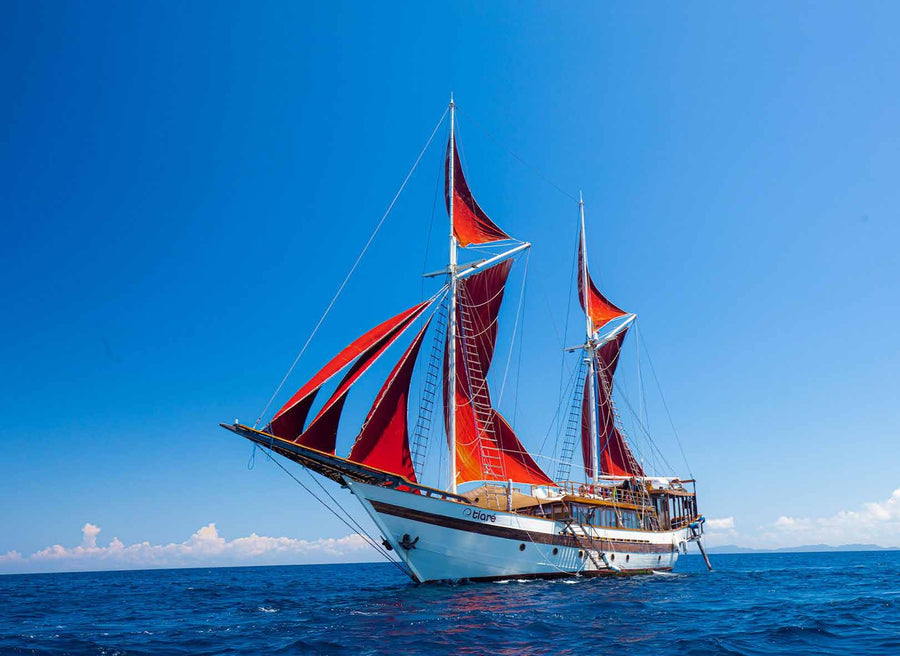
Tiare
Ambon, Banda Islands & Raja Ampat — Ambon to Sorong
- Indicative duration
- 11 nights
- Embarkation
- Ambon
- Disembarkation
- Sorong
Tiare
Ambon, Banda Islands & Raja Ampat — Ambon to Sorong
- Indicative duration
- 12 nights
- Embarkation
- Ambon
- Disembarkation
- Sorong
Tiare
Banda Neira - Lucipara - Alor — Ambon to Kalabahi
- Indicative duration
- 12 nights
- Embarkation
- Ambon
- Disembarkation
- Kalabahi
Tiare
Banda Sea Ring Of Fire, Alor - Forgotten Island - Banda Islands — Maumere to Ambon
- Indicative duration
- 12 nights
- Embarkation
- Maumere
- Disembarkation
- Ambon
Tiare
Lucipara — Ambon to Ambon
- Indicative duration
- 8 nights
- Embarkation
- Ambon
- Disembarkation
- Ambon
Tiare
Raja Ampat - Banda Islands - Ambon — Sorong to Ambon
- Indicative duration
- 12 nights
- Embarkation
- Sorong
- Disembarkation
- Ambon
Tiare
Triton Bay - Banda Neira — Kaimana to Ambon
- Indicative duration
- 11 nights
- Embarkation
- Kaimana
- Disembarkation
- Ambon
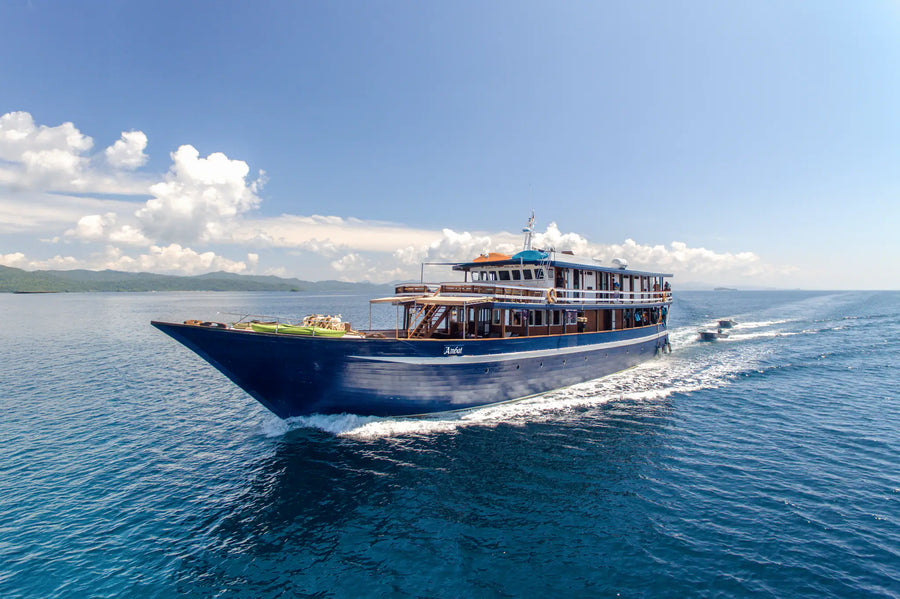
MV Ambai
Banda Sea & Forgotten Islands
- Indicative duration
- 12 nights
- Embarkation
- Ambon or Saumlaki
- Disembarkation
- Ambon or Saumlaki
MV Ambai
Banda Sea & Raja Ampat
- Indicative duration
- 12 nights
- Embarkation
- Ambon
- Disembarkation
- Sorong
MV Ambai
Halmahera, Misool & Banda Sea
- Indicative duration
- 14 nights
- Embarkation
- Ternate
- Disembarkation
- Ambon
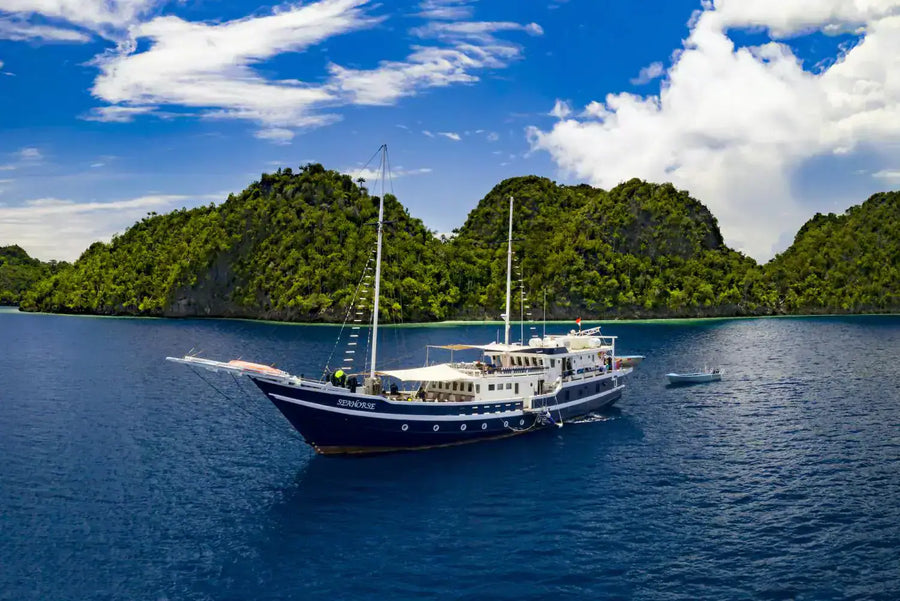
MSY Seahorse
Banda Sea
- Indicative duration
- 11 nights
- Embarkation
- Ambon
- Disembarkation
- Ambon
MSY Seahorse
Banda Sea & Forgotten Islands
- Indicative duration
- 12 nights
- Embarkation
- Ambon or Saumlaki — confirm per departure
- Disembarkation
- Ambon or Saumlaki — confirm per departure
MSY Seahorse
Banda Sea to Raja Ampat
- Indicative duration
- 11 nights
- Embarkation
- Ambon
- Disembarkation
- Sorong
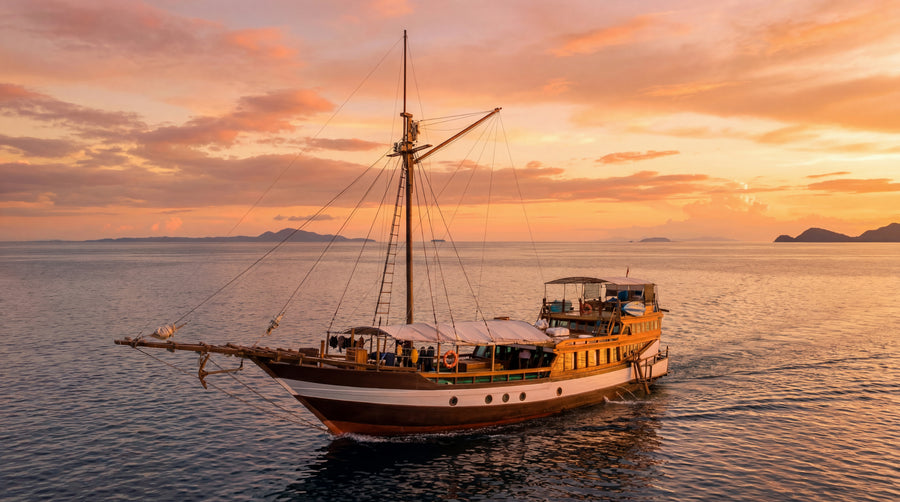
Wellenreng
Banda Sea & Raja Ampat — Ambon to Sorong
- Indicative duration
- 10 nights
- Embarkation
- Ambon
- Disembarkation
- Sorong
Wellenreng
Banda Sea — Saumlaki to Ambon
- Indicative duration
- 10 nights
- Embarkation
- Saumlaki
- Disembarkation
- Ambon
Wellenreng
Forgotten Islands — Maumere to Saumlaki
- Indicative duration
- 10 nights
- Embarkation
- Maumere
- Disembarkation
- Saumlaki
No routes match this search. Try another vessel or clear your search.
When to dive Banda Neira & Banda Islands
March–April and September–November are the established transition-season planning windows. Open-sea conditions influence crossings and exposed sites. Seasonal hammerhead opportunities are an additional attraction; the reefs, volcanic scenery and history should make the journey worthwhile in their own right.
Planning window: Best March–April and September–November.
What the diving is like
Advanced experience is recommended for exposed sites and blue-water diving.
Volcanic reefs
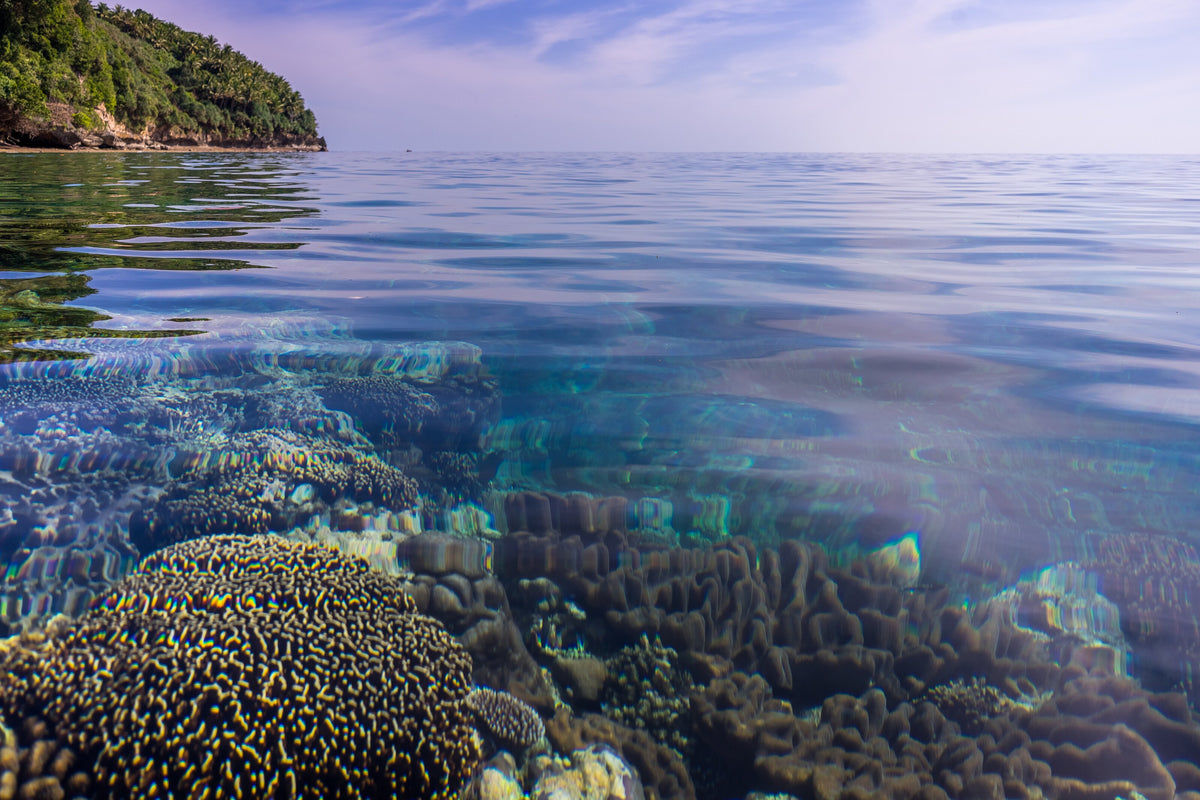
The Banda Islands sit on an active volcanic arc, and that geology shapes steep walls, lava slopes, deep drop-offs and reefs exposed to nutrient-rich ocean water. Around Banda Neira and neighbouring islands, healthy hard coral, large sponges and sea fans create strong wide-angle scenery alongside schooling reef fish.
Sea-snake encounters
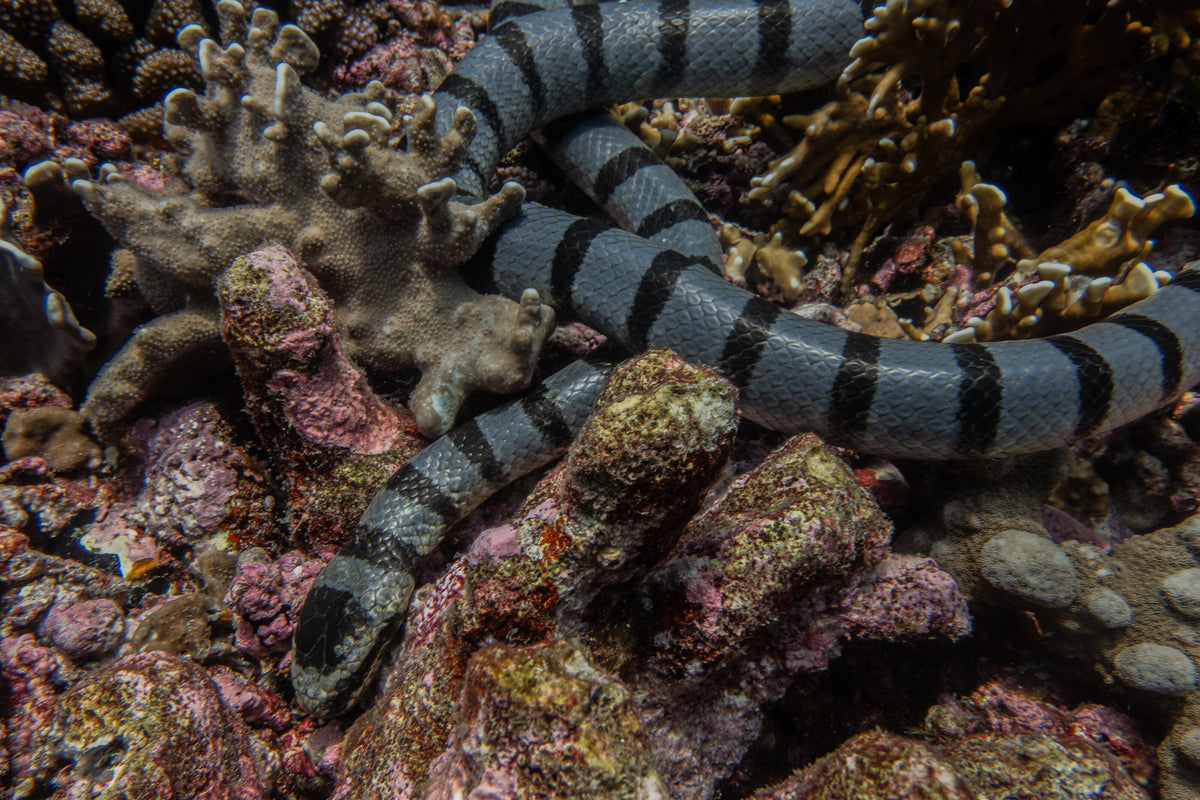
Sea kraits and other sea snakes are a recognised part of Banda Sea diving, with the most concentrated encounters associated with remote volcanic islands such as Manuk. Encounters are natural and itinerary-dependent; Manuk is far from Banda Neira and is normally reached only on longer liveaboard crossings when weather permits.
Seasonal pelagic potential
The Banda Sea is famous for seasonal pelagic activity, including the possibility of scalloped hammerheads at offshore reefs and seamounts. These encounters depend heavily on season, current and location, so a Banda trip should be planned around the appropriate crossing window without treating any shark sighting as guaranteed.
Historic spice islands
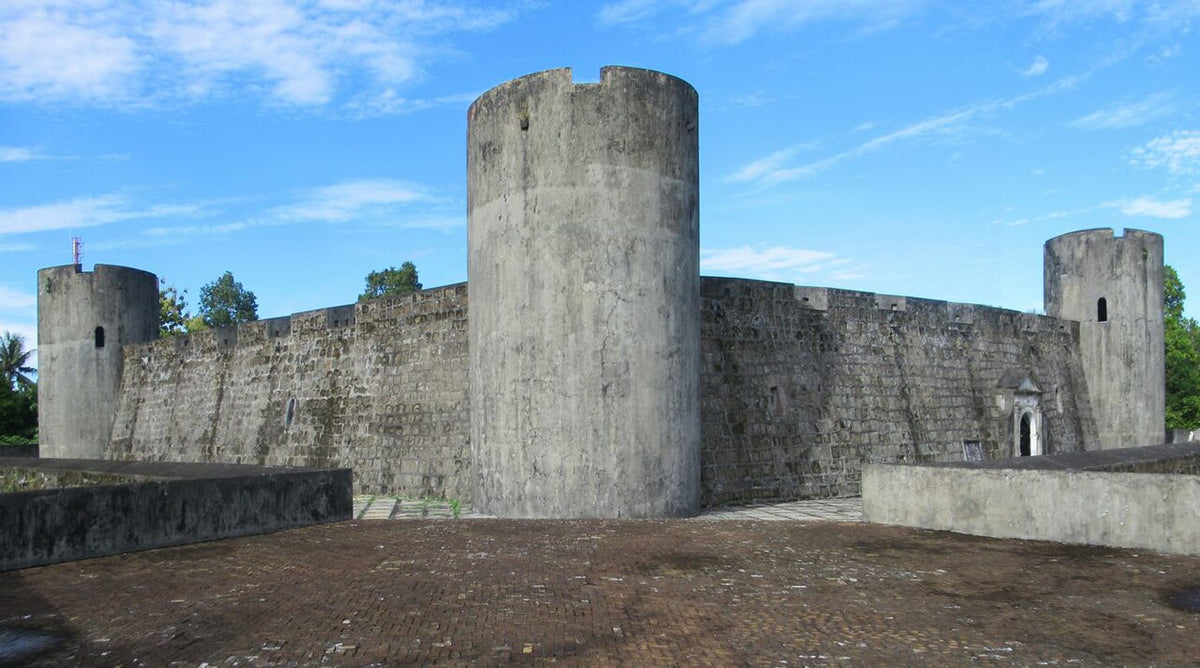
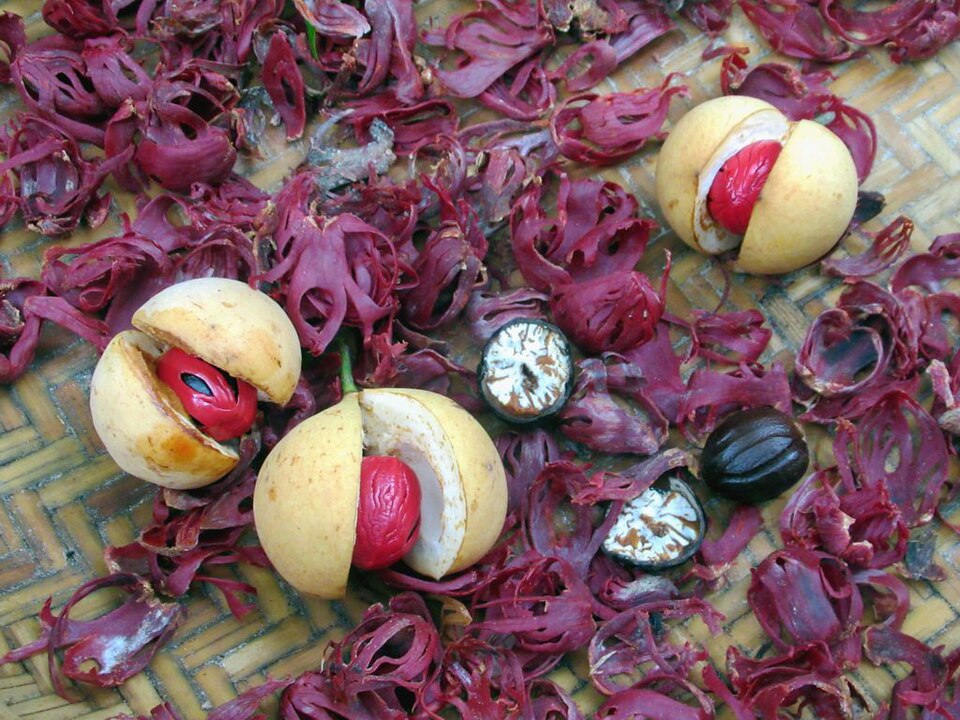
Banda Neira adds a rare topside dimension to the diving: old forts, colonial architecture, nutmeg history and views of Gunung Api sit within easy reach of the waterfront. This makes the destination particularly attractive to travellers who want serious diving without giving up a meaningful cultural component.
DIVE SITE GUIDE
Dive sites in Banda Neira & Banda Islands
Explore the character of individual sites, from the setting and marine life to the diving conditions. Open a card for the full description; site access and the final profile depend on conditions and experience.
ORIENTATION MAP
Where the dive sites are
Use the map to understand how the key sites are spread around the destination. Pins are for trip-planning orientation only; entry points, moorings and the final dive plan are always confirmed by the local operator on the day.
Coordinates are planning references compiled from current dive-site sources. They are not navigation coordinates; entry points, moorings, tide windows and the final dive plan are always confirmed by the local operator on the day.
Pinnacles · Pelagic · Current
Batu Kapal
Batu Kapal — Ship Rock — is a cluster of pinnacles northwest of Pulau Pisang, with one tower breaking the surface and several deeper structures around it.
Explore this dive site
- Type
- Pinnacles · Pelagic · Current
- Depth
- 10–40 m
- Experience
- Advanced
- Current
- Strong
Batu Kapal — Ship Rock — is a cluster of pinnacles northwest of Pulau Pisang, with one tower breaking the surface and several deeper structures around it. The site is at its best when current brings fish onto the rock: snappers and bream school around the pinnacles, banded sea kraits hunt across the reef and larger visitors such as grey reef sharks, barracuda or potato cod may appear.
Depth varies widely between the structures, so the guide chooses a route that keeps the group inside its certification rather than trying to visit every pinnacle. The combination of open-water exposure and strong current makes this a classic advanced Banda Sea dive.
Look for: Pinnacle complex · Strong current · Sea snakes · Pelagic potential
Best for: Pinnacles · Barracuda · Reef sharks · Sea snakes
Volcanic slope · Coral garden
Lava Flow, Gunung Api
Lava Flow is one of the Banda Islands’ most unusual reefs because the substrate was created by the 1988 eruption of Gunung Api.
Explore this dive site
- Type
- Volcanic slope · Coral garden
- Depth
- 5–35 m
- Experience
- Advanced
- Current
- Moderate
Lava Flow is one of the Banda Islands’ most unusual reefs because the substrate was created by the 1988 eruption of Gunung Api. Lava that entered the sea destroyed the reef in its path, yet hard coral has since recolonised the cooled rock with remarkable speed.
The dive follows the volcanic slope from dense shallow table and branching corals toward deeper cabbage coral and open blue water. Reef fish dominate the scene, with larger wrasse, tuna or mobulas possible when conditions align. The story is as important as the wildlife: divers are looking at a living example of reef recovery on a landscape that was bare volcanic rock within recent human memory.
Look for: 1988 lava flow · Exceptional coral regrowth · Volcanic slope · Wide-angle photography
Best for: Coral regrowth · Volcanic geology · Photography
Seamount · Wall · Current
Karang Hatta
Karang Hatta is a large submerged reef south of Hatta Island where current and proximity to deep water create one of the archipelago’s strongest fish dives.
Explore this dive site
- Type
- Seamount · Wall · Current
- Depth
- 10–25+ m
- Experience
- Advanced
- Current
- Strong
Karang Hatta is a large submerged reef south of Hatta Island where current and proximity to deep water create one of the archipelago’s strongest fish dives. Fusiliers can pack the slope densely enough to obscure the reef, drawing dogtooth tuna, barracuda and other predators into the action.
Hammerheads, eagle rays and reef sharks are possible, especially in the stronger seasonal windows, but remain wild encounters rather than scheduled events. The reef can be worked at several depths, with much of the action around the mid-twenties. Strong current and open-water exposure make this an advanced site, and a disciplined group is more important than descending to the deepest edge.
Look for: High fish biomass · Hammerheads possible · Open-water seamount · Advanced current diving
Best for: Fusiliers · Hammerhead potential · Tuna · Rays
Wall · Drift
Nutmeg Drop, Run Island
Nutmeg Drop runs along Run Island, whose history as a former center of the global nutmeg trade gives the dive a rare topside context.
Explore this dive site
- Type
- Wall · Drift
- Depth
- 5–18 m
- Experience
- Intermediate
- Current
- Moderate
Nutmeg Drop runs along Run Island, whose history as a former center of the global nutmeg trade gives the dive a rare topside context. Underwater, the appeal is a wall hung with giant gorgonian fans and black coral trees in warm, clear water.
Hawksbill turtles are common around the reef, while deeper water can produce larger passing animals during the main Banda season. The working depth is relatively modest compared with many Banda dives, which allows intermediate divers to enjoy a spectacular wall without spending the entire dive close to deep limits. Current can turn the site into a drift, but the shallow range keeps the profile comfortable and photography-friendly.
Look for: Gorgonian wall · Hawksbill turtles · Shallow Banda wall · Historic Run Island
Best for: Gorgonians · Turtles · Historical setting
Wall · Cavern · Macro
Batu Belanda
Batu Belanda — Dutch Rock — is a wall dive where careful observation matters more than coral density.
Explore this dive site
- Type
- Wall · Cavern · Macro
- Depth
- 5–24 m
- Experience
- Intermediate
- Current
- Moderate–Strong
Batu Belanda — Dutch Rock — is a wall dive where careful observation matters more than coral density. The shaded face and crevices are known for scorpionfish, morays, orang-utan crabs and the possibility of very unusual small subjects, including the Lembeh sea dragon.
At around 13 metres a cavern-like recess is lit by a shaft from above, creating the site’s most dramatic wide-angle feature without requiring deep penetration. Larger Napoleon wrasse and parrotfish move along the reef while current carries the dive northward. The site works best with a slow pace: search the wall closely, enjoy the light effect in the cavern and keep the profile comfortably inside the 24-metre range.
Look for: Macro hunting · Shallow cavern · Napoleon wrasse · Historic Banda Besar coast
Best for: Rare macro · Cavern light · Napoleon wrasse
Wall · Reef top · Current
Batu Wali
Batu Wali sits in the marine protected area at the northern tip of Banda Besar and combines a vertical wall with a broad step around 30 metres.
Explore this dive site
- Type
- Wall · Reef top · Current
- Depth
- 5–30 m
- Experience
- Advanced
- Current
- Strong
Batu Wali sits in the marine protected area at the northern tip of Banda Besar and combines a vertical wall with a broad step around 30 metres. Massive barrel sponges and vase sponges occupy the deeper shelf, while the shallower reef top is where bumphead parrotfish, groupers, emperors, Napoleon wrasse and barracuda are most likely to be seen.
Strong current is part of the site’s productivity, so the dive should be timed and routed rather than forced. The 30-metre step is a natural maximum for most recreational plans; the reef falls deeper beyond it, but the strongest wildlife and coral experience continues upward into shallower water.
Look for: MPA core zone · Large reef fish · 30 m shelf · Strong current
Best for: Large reef fish · Wall · MPA core zone
Wall · Swim-through · Reef
Pohon Miring
Pohon Miring is best known for a six-metre-long almond-shaped passage through the reef at roughly 26–30 metres.
Explore this dive site
- Type
- Wall · Swim-through · Reef
- Depth
- 20–30 m
- Experience
- Advanced
- Current
- Mild–Moderate
Pohon Miring is best known for a six-metre-long almond-shaped passage through the reef at roughly 26–30 metres. The depth means it should be treated as an advanced dive even though current is often manageable.
Divers who choose the passage need precise buoyancy and a clear line through the opening; anyone uncomfortable with it can remain outside and still enjoy the wall, barrel sponges, tubastrea coral and large sea fans. Tuna and bumphead parrotfish may move through the blue, while smaller subjects occupy the shallower return. The site is most rewarding when the deep feature is treated as one part of a multilevel dive rather than the sole objective.
Look for: Deep swim-through · Sea fans · Advanced depth · Macro + pelagic
Best for: Deep swim-through · Sea fans · Tuna · Macro
Wall · Drift · Pelagic
Pulau Ai
Pulau Ai is one of the Banda Sea dives where open water matters as much as the reef.
Explore this dive site
- Type
- Wall · Drift · Pelagic
- Depth
- 5–35+ m
- Experience
- Advanced
- Current
- Strong
Pulau Ai is one of the Banda Sea dives where open water matters as much as the reef. Steep walls and slopes fall into deep water around the island, and when current is running the site can attract whitetip sharks, barracuda, tuna and formations of mobula rays.
Hammerheads and other larger sharks are possible but should be treated as seasonal chance encounters. Two main points are used depending on conditions, and both require confident depth and current control. The wall continues much deeper than a normal recreational plan, so the best strategy is to choose a productive depth, watch the blue and let the guide decide when to move or ascend.
Look for: Mobula potential · Shark encounters possible · Deep wall · Strong current
Best for: Mobula rays · Sharks · Deep walls
Underwater photography
At Batu Kapal, pinnacles, Barracuda, Reef sharks, Sea snakes give an idea of the photographic possibilities. Choose the camera setup for the planned sites, then leave time to observe the scene before making the image. Repeating a productive dive often creates better opportunities than constantly searching for a different location. For reef scenes, use the shape of the reef and the available light to give the image depth. A diver at a respectful distance can provide scale without crowding an animal.
Beyond diving: Banda Neira & Banda Islands above the surface
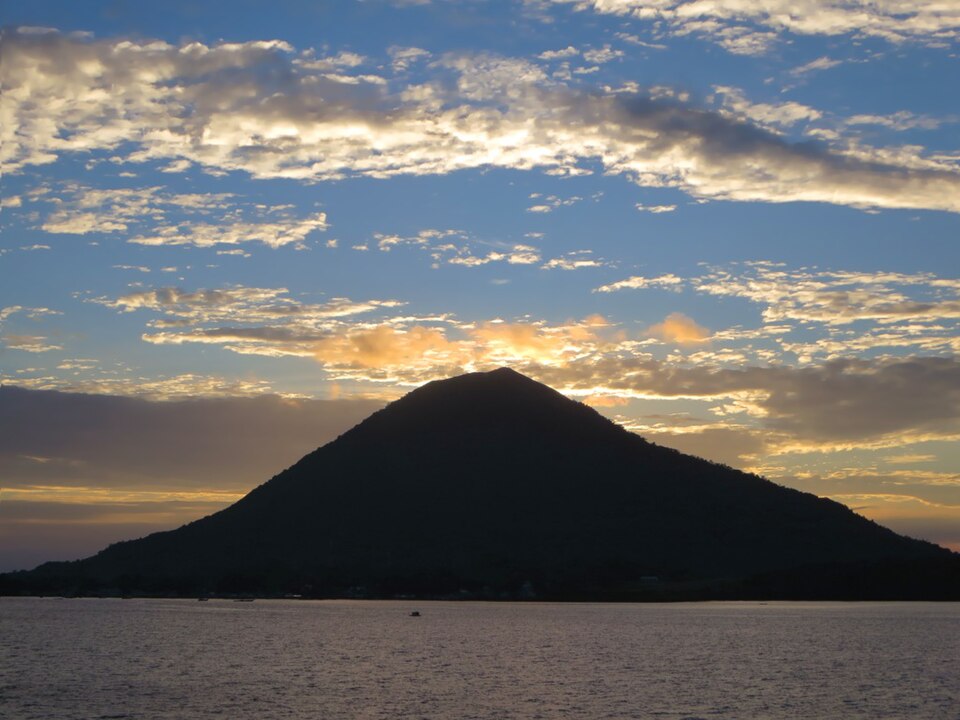
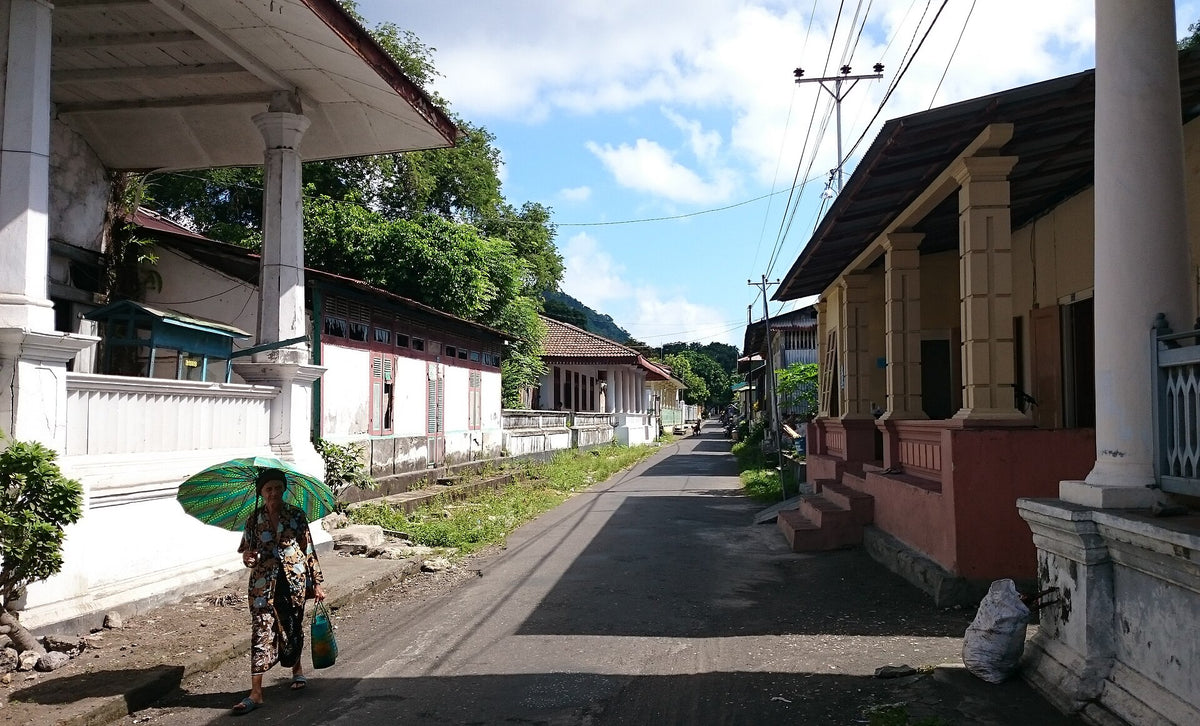
Spice history is woven into a Banda visit. Walks around Banda Neira, old forts, settlements and plantation landscapes reveal a region whose small islands once drew traders from far away. The view towards Gunung Api gives the town a dramatic natural backdrop.
Island touring is worth a dedicated day. For divers, this is also a chance to enjoy the place beyond a sequence of boat trips. Any strenuous volcano walk needs thoughtful timing around diving, fitness and the day’s conditions.
Getting to Banda Neira & Banda Islands
Use seasonal flights or ferries to Banda Neira; schedules require careful planning.
Choose arrival and departure times around the onward transfer, especially when a boat crossing or a long road journey is involved. Leave space for a relaxed final day ashore and an appropriate interval between the last dive and flying.
Banda Neira & Banda Islands diving questions
What makes Banda Neira & Banda Islands worth a diving trip?
Banda’s reefs lie beneath volcanic scenery and islands shaped by the spice trade. Coral gardens, offshore rock formations and blue-water possibilities make the diving compelling, while Banda Neira adds a reason to come ashore and stay.
How should I plan my stay?
A Banda Neira stay gives time for local reefs and the islands’ history. A Banda Sea liveaboard may travel much farther, with different sites and substantial passages. Read the route carefully: an ocean crossing described as Banda Sea does not automatically include a long stay around Banda Neira.
When is a useful time to visit?
March–April and September–November are the established transition-season planning windows. Open-sea conditions influence crossings and exposed sites. Seasonal hammerhead opportunities are an additional attraction; the reefs, volcanic scenery and history should make the journey worthwhile in their own right.
Is there enough for non-diving companions?
Spice history is woven into a Banda visit. Walks around Banda Neira, old forts, settlements and plantation landscapes reveal a region whose small islands once drew traders from far away. The view towards Gunung Api gives the town a dramatic natural backdrop.
A closer look at Banda Neira & Banda Islands


Plan your Banda Neira & Banda Islands trip
Tell us the experiences you most want, your preferred dates and how you like to travel. We can bring the destination, accommodation and diving into one coherent itinerary.
Plan my tripPhoto credits
Images are resized for display and may be cropped to fit the page layout.
- Gunung Api volcano seen across clear water from Pulau Pisang, Banda Islands: Banda Pisang view on Api.jpg — WiDi. CC BY-SA 4.0. Web-size image supplied by Wikimedia Commons; no scene edits.
- Clear water and forested coastline at Pulau Pisang, Banda Islands: Banda Pisang.jpg — WiDi. CC BY-SA 4.0. Web-size image supplied by Wikimedia Commons; no scene edits.
- Stone walls and towers of Fort Belgica on Banda Neira: Dutch Fort (48253458801).jpg — David Stanley from Nanaimo, Canada. CC BY 2.0. Web-size image supplied by Wikimedia Commons; no scene edits.
- Fresh nutmeg and red mace on Lonthoir, Banda Islands: Nutmeg and Mace (48208793767).jpg — David Stanley from Nanaimo, Canada. CC BY 2.0. Web-size image supplied by Wikimedia Commons; no scene edits.
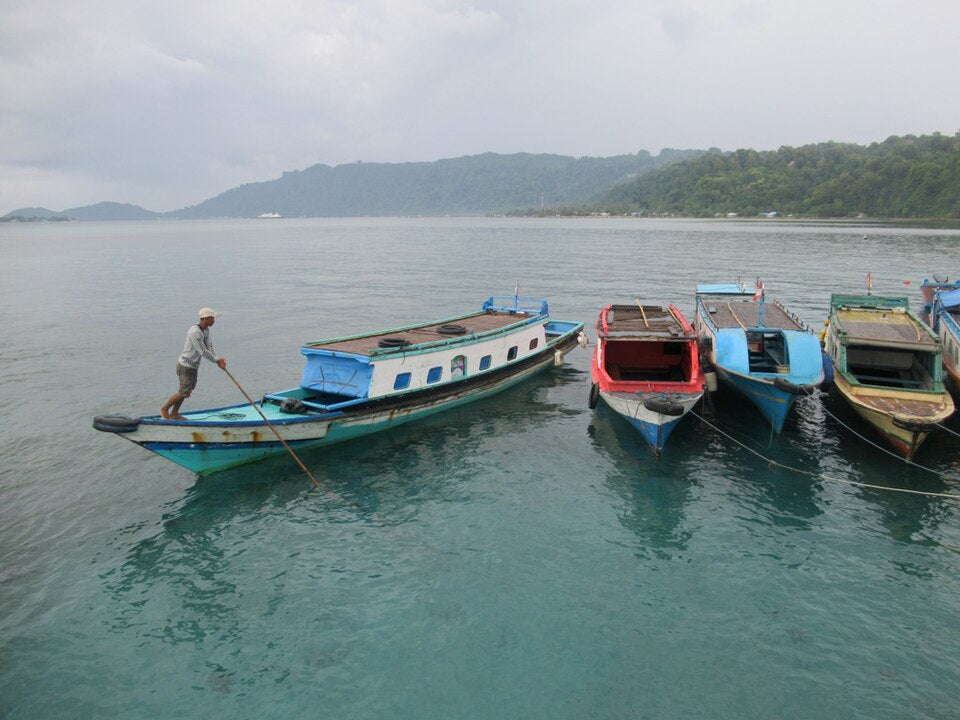
- Local boats along the shore at Lonthoir in the Banda Islands: Lonthoir Boats (48196461821).jpg — David Stanley from Nanaimo, Canada. CC BY 2.0. Web-size image supplied by Wikimedia Commons; no scene edits.
- Silhouette of Gunung Api volcano at sunset, Banda Neira: Gunung Api Sunset (48257320322).jpg — David Stanley from Nanaimo, Canada. CC BY 2.0. Web-size image supplied by Wikimedia Commons; no scene edits.
- Street and traditional buildings beside Rumah Budaya Banda on Banda Neira: Rumah Budaya Banda.jpg — WiDi. CC BY-SA 4.0. Web-size image supplied by Wikimedia Commons; no scene edits.


.jpg)
.jpg)
.jpg)
.jpg)
