

Destination guide · Indonesia
Komodo Diving: Reefs, Resorts & Liveaboards
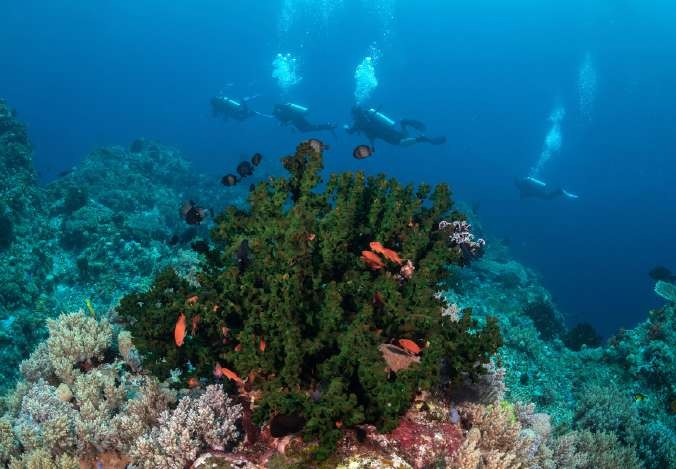
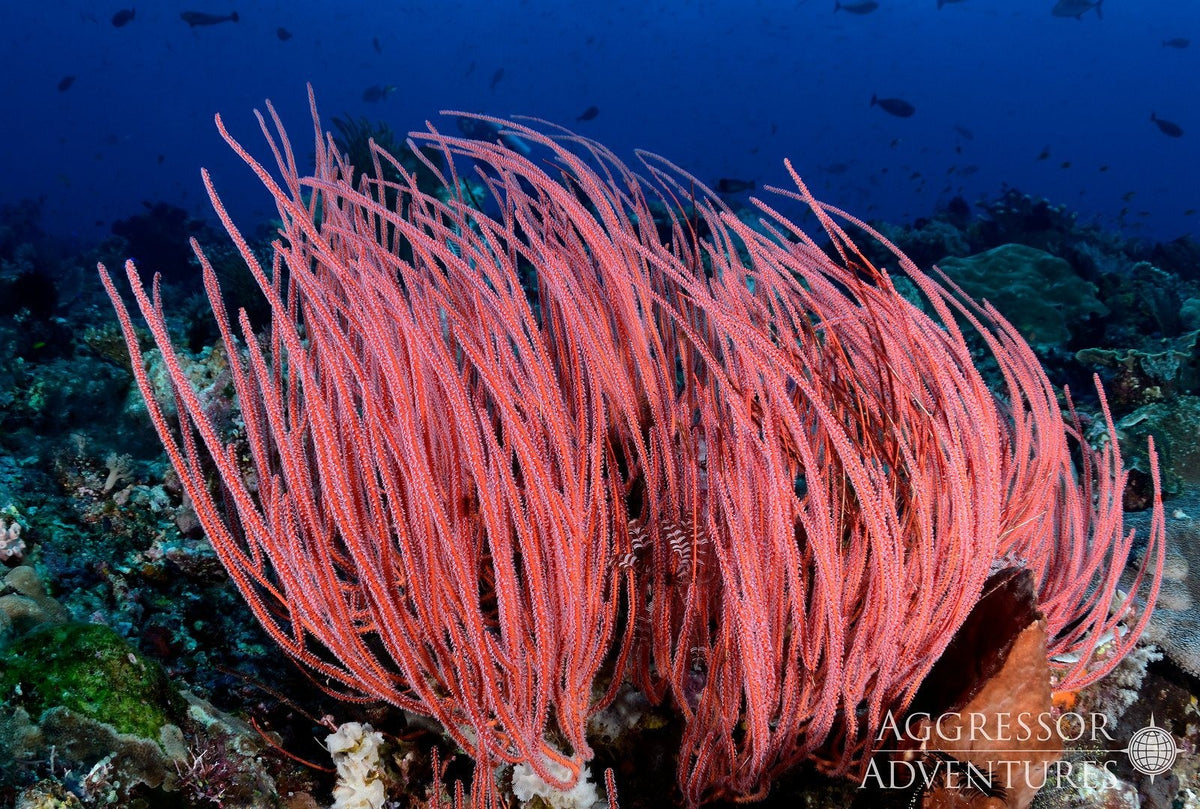
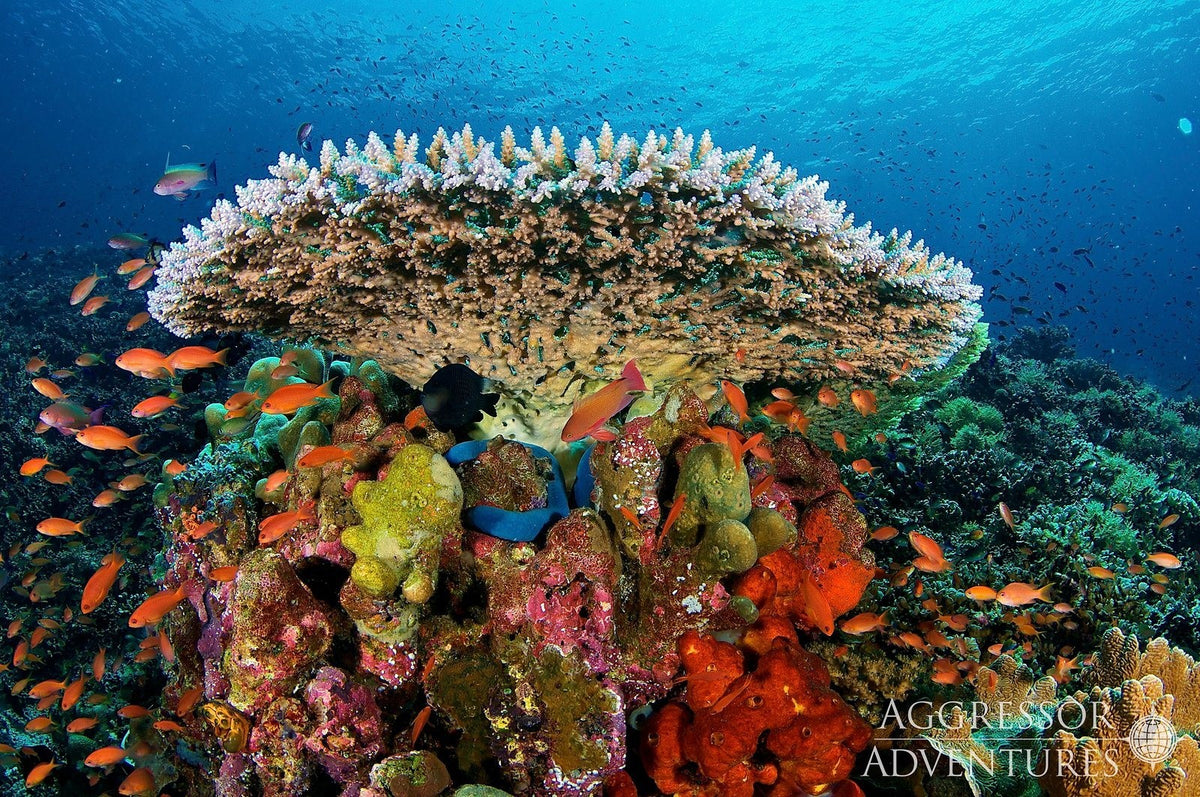
Komodo changes character as you move through it: bright coral gardens, current-fed pinnacles, manta areas and cooler southern waters. Labuan Bajo stays and liveaboard routes offer different ways to explore a national park that is remarkable above and below the surface.
Komodo & Labuan Bajo at a glance
Komodo is a destination of strong contrasts: current-fed pinnacles, manta areas and sheltered reefs beneath dry hills and island viewpoints. Labuan Bajo is the main gateway, with both day-boat diving from shore-based accommodation and multi-day liveaboards into the national park and surrounding waters.
A hotel or resort stay leaves room for restaurants and separate land excursions. A liveaboard keeps you close to the diving and can cover a wider area, depending on its itinerary. Northern, central and southern waters can feel very different; choose a programme for its actual sites, conditions and pace.
Planning your Komodo stay
A Labuan Bajo or island resort base offers flexible days and land activities. A liveaboard reduces repeated travel to more distant sites and can reach a broader part of the park. Compare the actual north, central and south coverage: a short Komodo cruise does not necessarily visit every region.

Uber Scuba Komodo
A professional Labuan Bajo day-diving operator with purpose-built boats, three-dive Komodo departures, small guide groups and private-charter options.

Manta Rhei Dive Center
A long-established Labuan Bajo day-dive operator running three-dive Komodo trips aboard purpose-adapted wooden boats with small guide groups.
Liveaboard routes for this destination
Explore the routes that visit this region. Compare ships and itineraries, then open a route to see its sailing dates, cabins and the areas it covers.
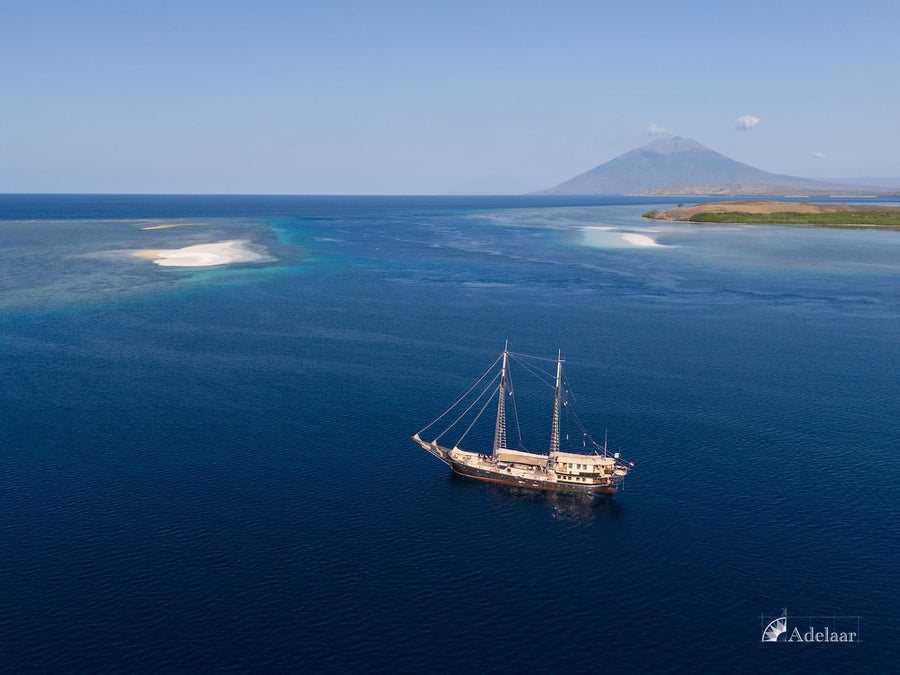
Adelaar
Beyond Komodo & Whale Sharks — Bali to Maumere
- Indicative duration
- 10 nights
- Embarkation
- Bali
- Disembarkation
- Maumere
Adelaar
Beyond Komodo & Whale Sharks — Maumere to Bali
- Indicative duration
- 10 nights
- Embarkation
- Maumere
- Disembarkation
- Bali
Adelaar
Komodo Exclusive — Labuan Bajo to Labuan Bajo
- Indicative duration
- 4 nights
- Embarkation
- Labuan Bajo
- Disembarkation
- Labuan Bajo
Adelaar
Komodo Extended & Whale Sharks — Bali to Labuan Bajo
- Indicative duration
- 7 nights
- Embarkation
- Bali
- Disembarkation
- Labuan Bajo
Adelaar
Komodo Extended & Whale Sharks — Labuan Bajo to Bali
- Indicative duration
- 10 nights
- Embarkation
- Labuan Bajo
- Disembarkation
- Bali
Adelaar
Komodo Extended & Whale Sharks — Labuan Bajo to Bali
- Indicative duration
- 7 nights
- Embarkation
- Labuan Bajo
- Disembarkation
- Bali
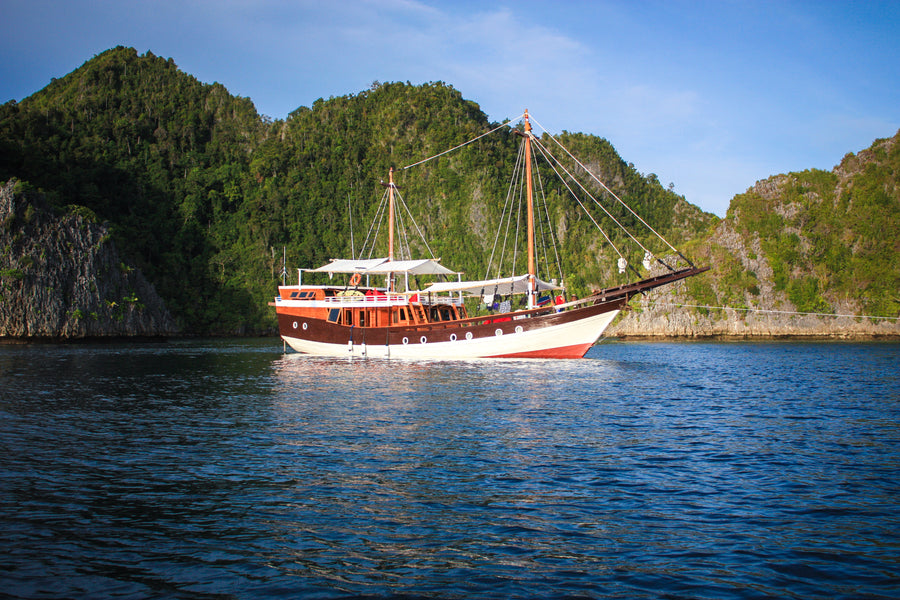
Akomo Isseki
Komodo
- Indicative duration
- 7 nights
- Embarkation
- Labuan Bajo
- Disembarkation
- Labuan Bajo
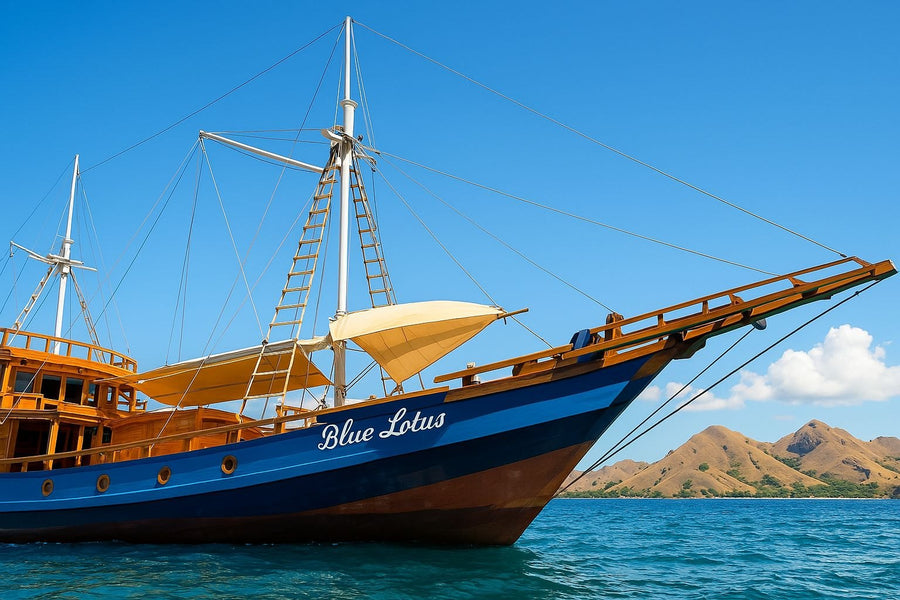
Blue Lotus
4D3N Komodo — Labuan Bajo to Labuan Bajo
- Indicative duration
- 3 nights
- Embarkation
- Labuan Bajo
- Disembarkation
- Labuan Bajo
Blue Lotus
5D4N Komodo — Labuan Bajo to Labuan Bajo
- Indicative duration
- 4 nights
- Embarkation
- Labuan Bajo
- Disembarkation
- Labuan Bajo
Blue Lotus
6D5N Komodo — Labuan Bajo to Labuan Bajo
- Indicative duration
- 5 nights
- Embarkation
- Labuan Bajo
- Disembarkation
- Labuan Bajo
Blue Lotus
7D6N Komodo — Labuan Bajo to Labuan Bajo
- Indicative duration
- 6 nights
- Embarkation
- Labuan Bajo
- Disembarkation
- Labuan Bajo
Blue Lotus
8D7N Komodo — Labuan Bajo to Labuan Bajo
- Indicative duration
- 7 nights
- Embarkation
- Labuan Bajo
- Disembarkation
- Labuan Bajo
Cachalo
Komodo to Alor — Labuan Bajo to Alor
- Indicative duration
- 8 nights
- Embarkation
- Labuan Bajo
- Disembarkation
- Alor
Cachalo
Komodo — Labuan Bajo to Labuan Bajo
- Indicative duration
- 2 nights
- Embarkation
- Labuan Bajo
- Disembarkation
- Labuan Bajo
Cachalo
Komodo — Labuan Bajo to Labuan Bajo
- Indicative duration
- 6 nights
- Embarkation
- Labuan Bajo
- Disembarkation
- Labuan Bajo
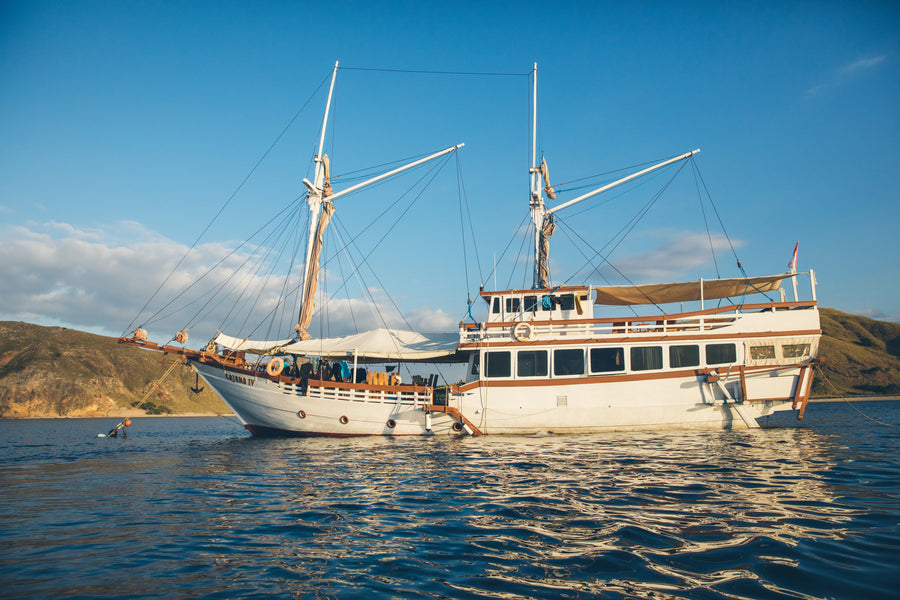
Cajoma IV
Komodo
- Indicative duration
- 3 nights
- Embarkation
- Labuan Bajo
- Disembarkation
- Labuan Bajo
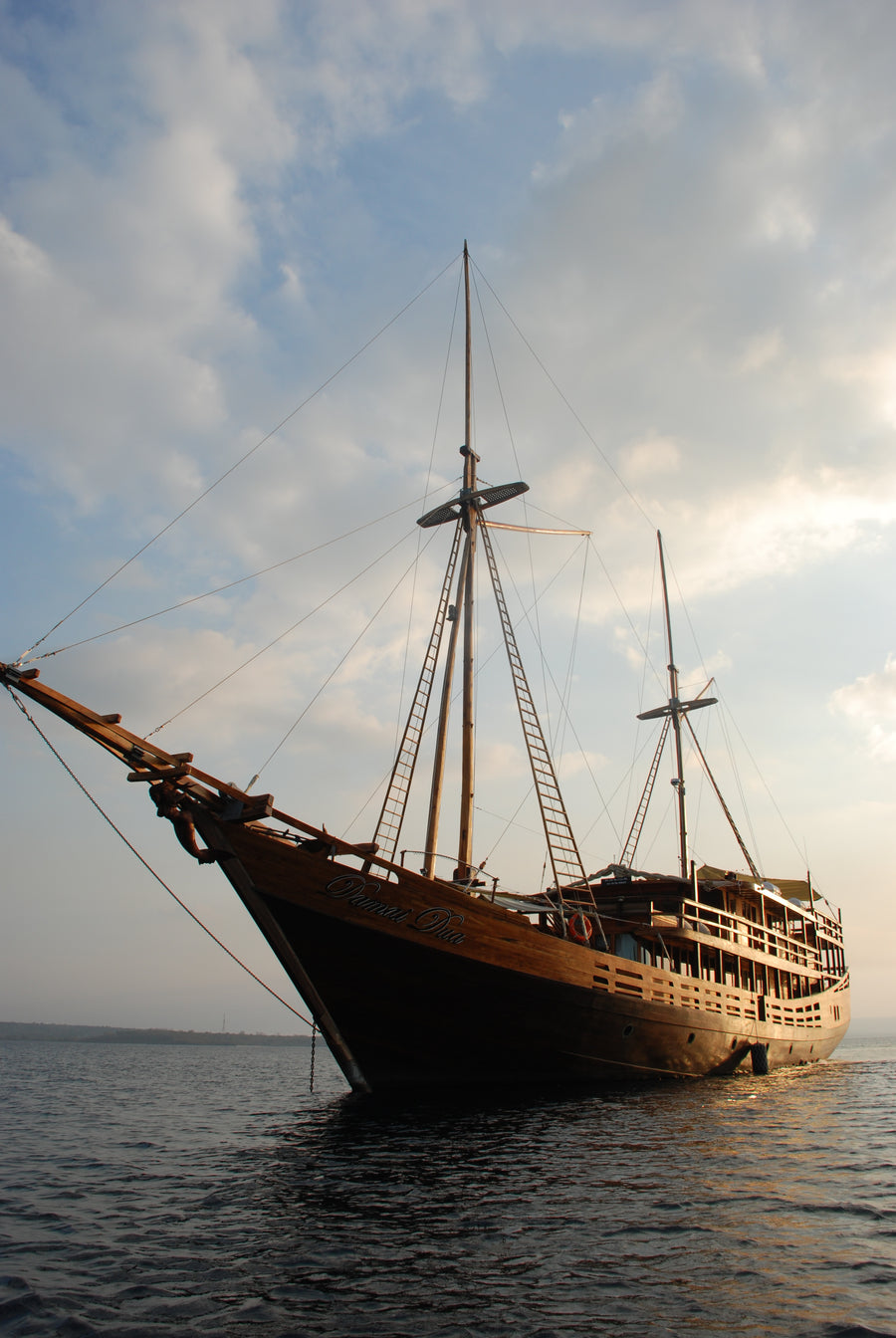
DAMAI II
Komodo to Bali
- Indicative duration
- 10 nights
- Embarkation
- Labuan Bajo
- Disembarkation
- Benoa
DAMAI II
Komodo
- Indicative duration
- 5 nights
- Embarkation
- Labuan Bajo
- Disembarkation
- Labuan Bajo
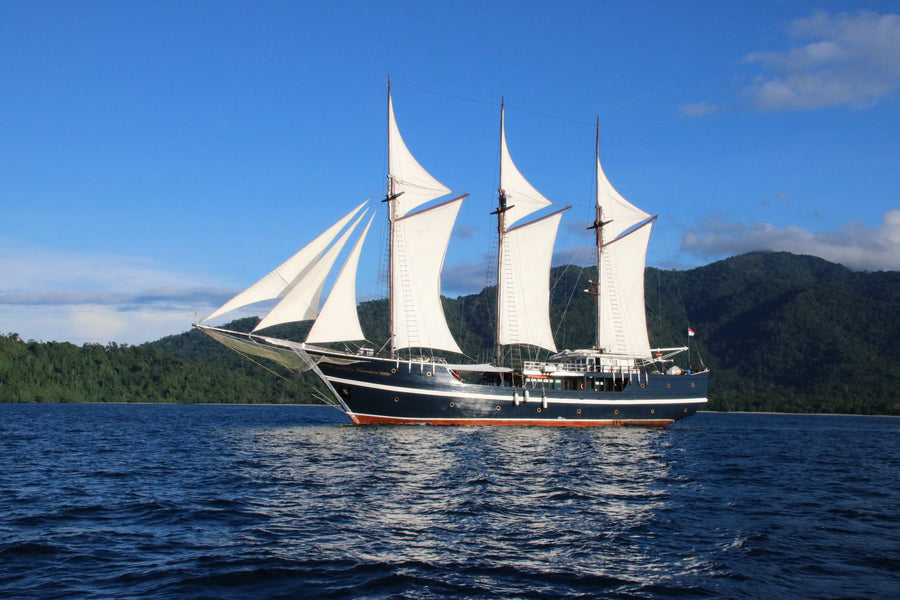
Dewi Nusantara
Dragons & Volcanoes - Komodo & East Sumbawa — Labuan Bajo to Labuan Bajo
- Indicative duration
- 9 nights
- Embarkation
- Labuan Bajo
- Disembarkation
- Labuan Bajo
Dewi Nusantara
Dragons, Volcanoes & Whale Sharks - Komodo & Sumbawa - Saleh Bay — Labuan Bajo to Bima
- Indicative duration
- 9 nights
- Embarkation
- Labuan Bajo
- Disembarkation
- Bima
Dewi Nusantara
Dragons, Volcanoes & Whale Sharks - Saleh Bay - Sumbawa & Komodo — Bima to Labuan Bajo
- Indicative duration
- 9 nights
- Embarkation
- Bima
- Disembarkation
- Labuan Bajo
Dewi Nusantara
The Flores Sea Route II - The Bira Peninsula, Selayar, Taka Bonerate Atoll & Komodo — Makassar to Labuan Bajo
- Indicative duration
- 11 nights
- Embarkation
- Makassar
- Disembarkation
- Labuan Bajo
Dewi Nusantara
The Flores Sea Route II - The Bira Peninsula, Selayar, Taka Bonerate Atoll & Komodo — Makassar to Labuan Bajo
- Indicative duration
- 12 nights
- Embarkation
- Makassar
- Disembarkation
- Labuan Bajo
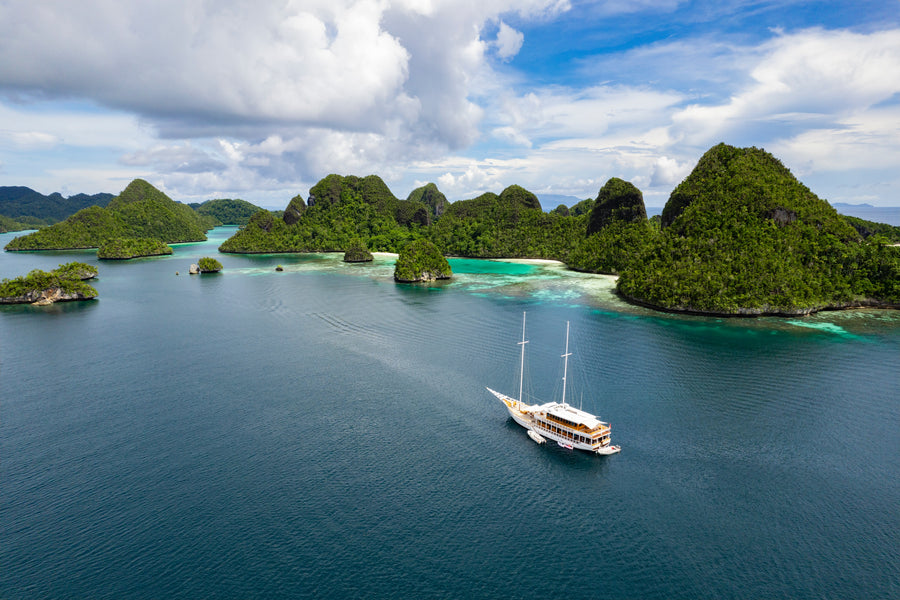
Fenides
Alor to Komodo
- Indicative duration
- 7 nights
- Embarkation
- Kalabahi
- Disembarkation
- Labuan Bajo
Fenides
Classic & West Komodo
- Indicative duration
- 9 nights
- Embarkation
- Labuan Bajo
- Disembarkation
- Labuan Bajo
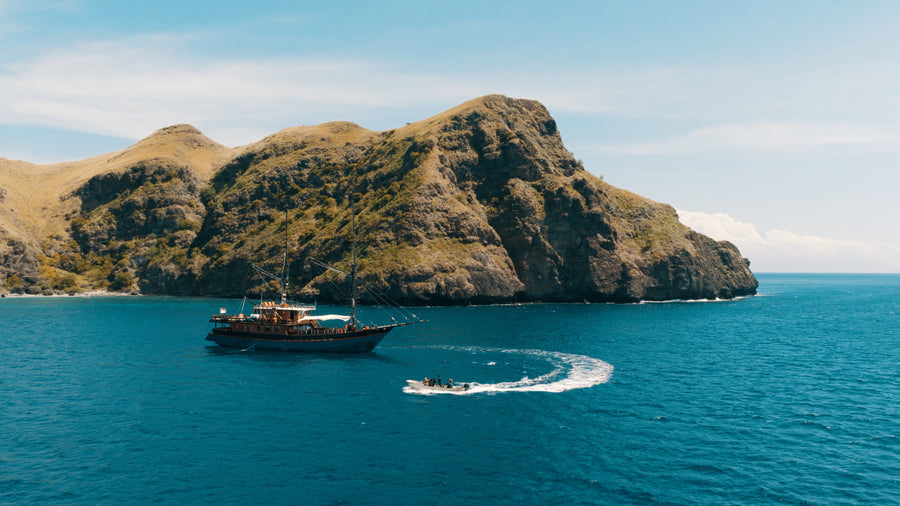
Iliké
Alor & Komodo — Alor to Labuan Bajo
- Indicative duration
- 9 nights
- Embarkation
- Alor
- Disembarkation
- Labuan Bajo
Iliké
Bali & Komodo — Bali to Labuan Bajo
- Indicative duration
- 9 nights
- Embarkation
- Bali
- Disembarkation
- Labuan Bajo
Iliké
Komodo & Alor — Labuan Bajo to Alor
- Indicative duration
- 10 nights
- Embarkation
- Labuan Bajo
- Disembarkation
- Alor
Iliké
Komodo & Bali — Labuan Bajo to Bali
- Indicative duration
- 9 nights
- Embarkation
- Labuan Bajo
- Disembarkation
- Bali
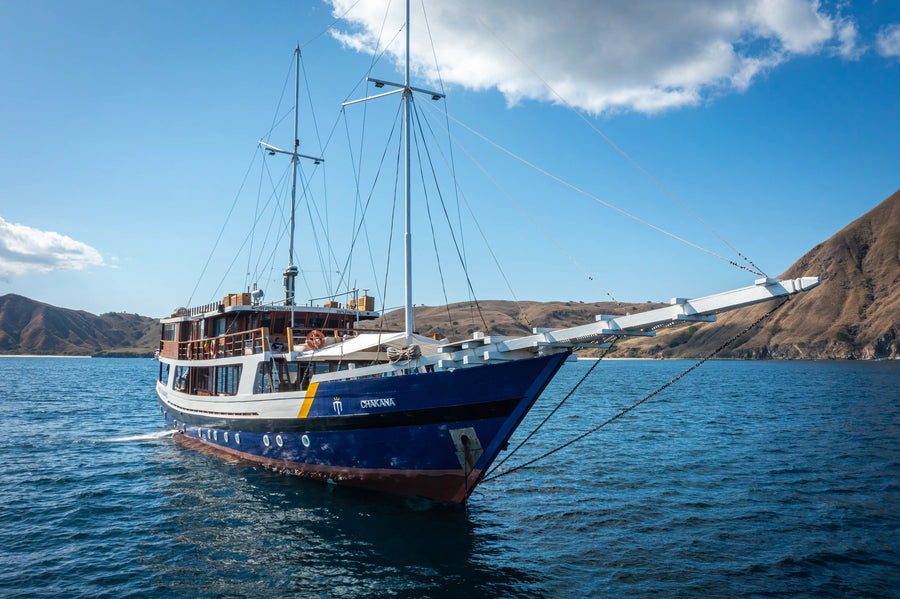
Indo Master
Komodo National Park
- Indicative duration
- 10 nights
- Embarkation
- Labuan Bajo
- Disembarkation
- Labuan Bajo
Indo Master
Komodo National Park
- Indicative duration
- 7 nights
- Embarkation
- Labuan Bajo
- Disembarkation
- Labuan Bajo
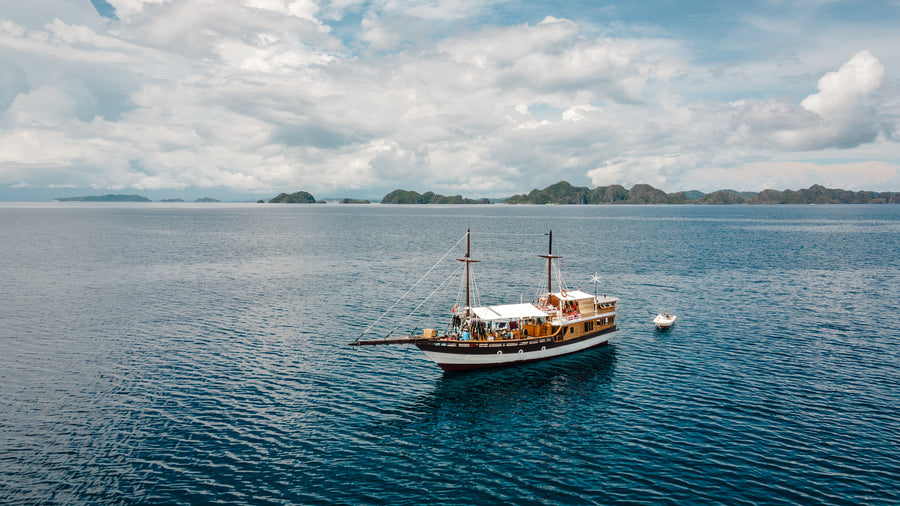
Kira Kira
Komodo
- Indicative duration
- 7 nights
- Embarkation
- Labuan Bajo
- Disembarkation
- Labuan Bajo
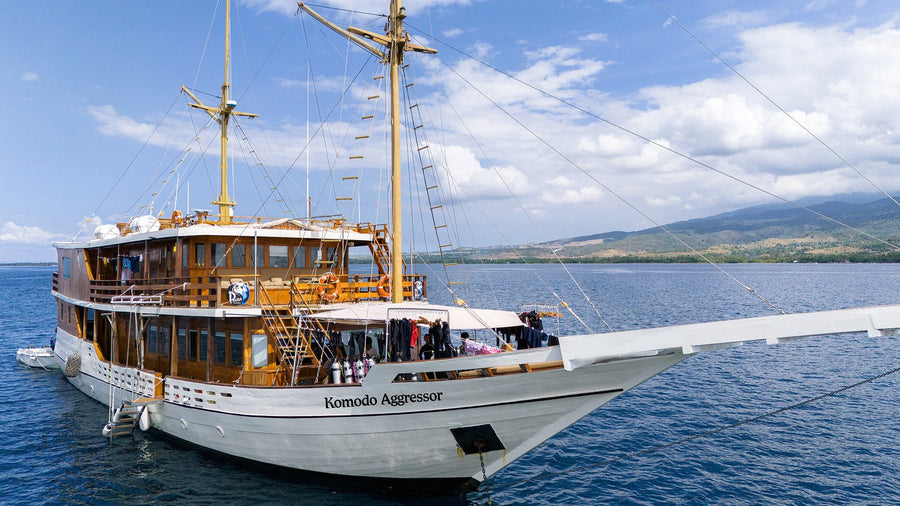
Komodo Aggressor
Komodo & Sumbawa (10 nights)
- Indicative duration
- 10 nights
- Embarkation
- Labuan Bajo
- Disembarkation
- Labuan Bajo
Komodo Aggressor
Komodo North & South (10 nights)
- Indicative duration
- 10 nights
- Embarkation
- Labuan Bajo
- Disembarkation
- Labuan Bajo
Komodo Aggressor
North Komodo (7 nights)
- Indicative duration
- 7 nights
- Embarkation
- Labuan Bajo
- Disembarkation
- Labuan Bajo
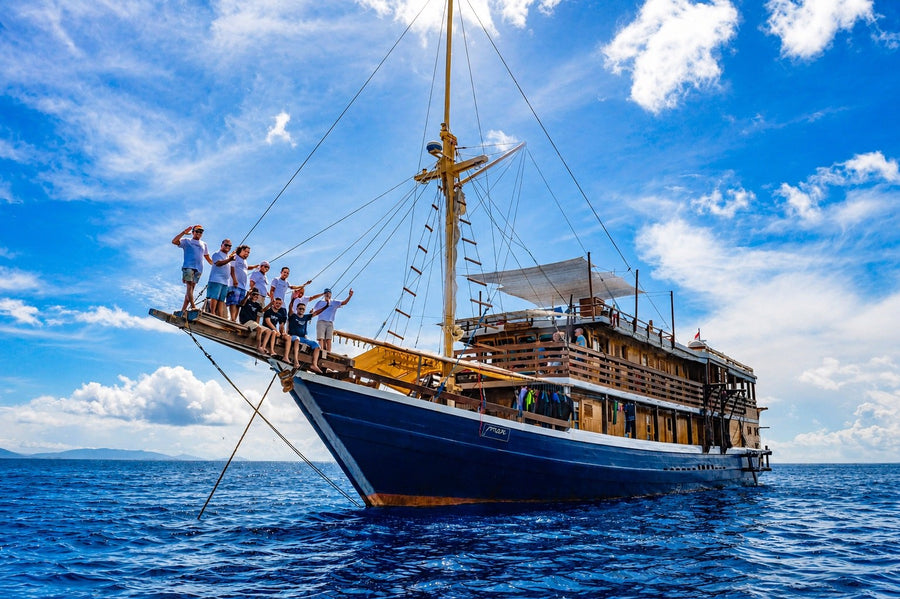
MARI Liveaboard
MARI — Bali - Komodo & Whale Sharks — Bali to Labuan Bajo
- Indicative duration
- 11 nights
- Embarkation
- Bali
- Disembarkation
- Labuan Bajo
MARI Liveaboard
MARI — Best Of Komodo & Whale Sharks — Badas to Labuan Bajo
- Indicative duration
- 11 nights
- Embarkation
- Badas
- Disembarkation
- Labuan Bajo
MARI Liveaboard
MARI — Best Of Komodo & Whale Sharks — Labuan Bajo to Badas
- Indicative duration
- 11 nights
- Embarkation
- Labuan Bajo
- Disembarkation
- Badas
MARI Liveaboard
MARI — Best Of Komodo & Whale Sharks — Labuan Bajo to Badas
- Indicative duration
- 9 nights
- Embarkation
- Labuan Bajo
- Disembarkation
- Badas
MARI Liveaboard
MARI — Flores - Komodo - Bali & Whale Sharks — Maumere to Bali
- Indicative duration
- 11 nights
- Embarkation
- Maumere
- Disembarkation
- Bali
MARI Liveaboard
MARI — Komodo - Flores & Whale Sharks — Badas to Maumere
- Indicative duration
- 11 nights
- Embarkation
- Badas
- Disembarkation
- Maumere
MARI Liveaboard
MARI — Komodo Full Park — Labuan Bajo to Labuan Bajo
- Indicative duration
- 7 nights
- Embarkation
- Labuan Bajo
- Disembarkation
- Labuan Bajo
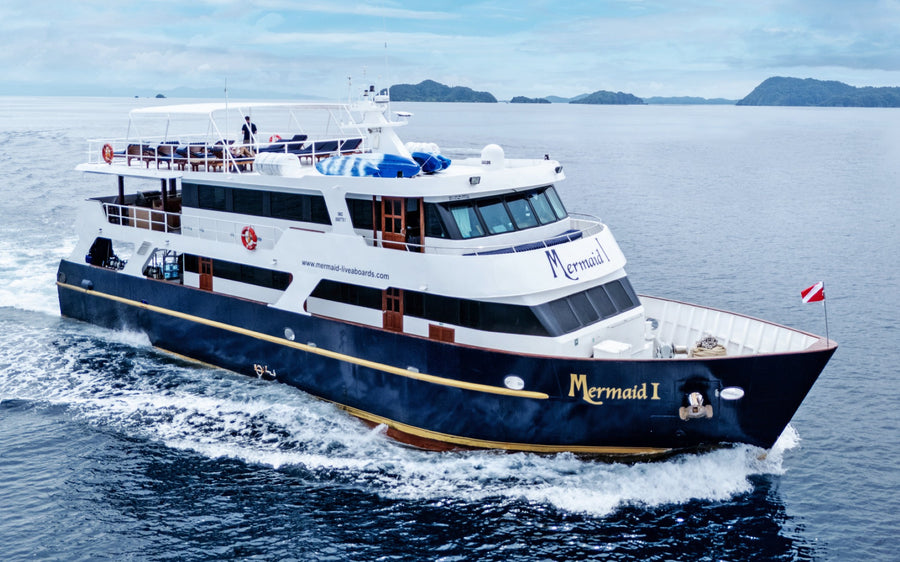
Mermaid I
Bali–Komodo–Bali
- Indicative duration
- 9 nights
- Embarkation
- Benoa Pier, Bali
- Disembarkation
- Benoa Pier, Bali
Mermaid I
Bali–Komodo–Maumere with Whale Sharks
- Indicative duration
- 9 nights
- Embarkation
- Benoa Pier, Bali
- Disembarkation
- Maumere, Flores
Mermaid I
Maumere–Komodo–Bali with Whale Sharks
- Indicative duration
- 9 nights
- Embarkation
- Maumere, Flores
- Disembarkation
- Benoa Pier, Bali
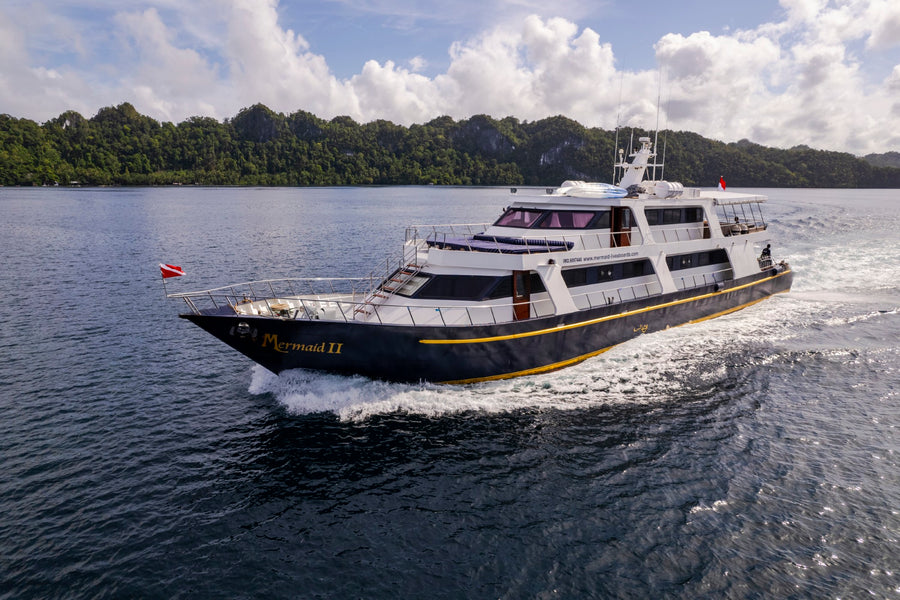
Mermaid II
Bali–Komodo–Bali 8 Days
- Indicative duration
- 7 nights
- Embarkation
- Benoa Pier, Bali
- Disembarkation
- Benoa Pier, Bali
Mermaid II
Bali–Komodo–Maumere with Whale Sharks 10 Days
- Indicative duration
- 9 nights
- Embarkation
- Benoa Pier, Bali
- Disembarkation
- Maumere, Flores
Mermaid II
Bali–Komodo–Maumere with Whale Sharks 8 Days
- Indicative duration
- 7 nights
- Embarkation
- Benoa Pier, Bali
- Disembarkation
- Maumere, Flores
Mermaid II
Komodo & Saleh Bay Whale Sharks 10 Days
- Indicative duration
- 9 nights
- Embarkation
- Benoa Pier, Bali
- Disembarkation
- Benoa Pier, Bali
Mermaid II
Komodo & Saleh Bay Whale Sharks 8 Days
- Indicative duration
- 7 nights
- Embarkation
- Benoa Pier, Bali
- Disembarkation
- Benoa Pier, Bali
Mermaid II
Maumere–Komodo–Bali with Whale Sharks
- Indicative duration
- 9 nights
- Embarkation
- Maumere, Flores
- Disembarkation
- Benoa Pier, Bali
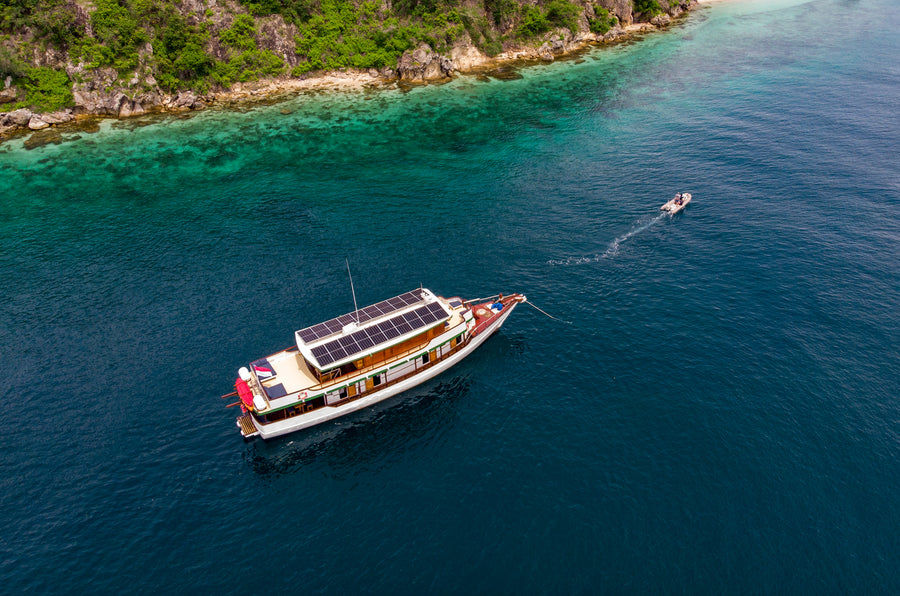
Bajau
Nomad Exploration Cruise: Komodo to Alor
- Indicative duration
- 10 nights
- Embarkation
- Labuan Bajo
- Disembarkation
- Alor
Bajau
Nomad Exploration: Wakatobi, Taka Bonerate & Komodo
- Indicative duration
- 11 nights
- Embarkation
- Kendari
- Disembarkation
- Labuan Bajo
Bajau
Nomad Komodo & Taka Bonerate Adventure
- Indicative duration
- 8 nights
- Embarkation
- Labuan Bajo
- Disembarkation
- Labuan Bajo
Bajau
Nomad Komodo Leisure Snorkeling
- Indicative duration
- 3 nights
- Embarkation
- Labuan Bajo
- Disembarkation
- Labuan Bajo
Bajau
Nomad Komodo Leisure Snorkeling
- Indicative duration
- 5 nights
- Embarkation
- Labuan Bajo
- Disembarkation
- Labuan Bajo
Bajau
Nomad Komodo Leisure Snorkeling
- Indicative duration
- 4 nights
- Embarkation
- Labuan Bajo
- Disembarkation
- Labuan Bajo
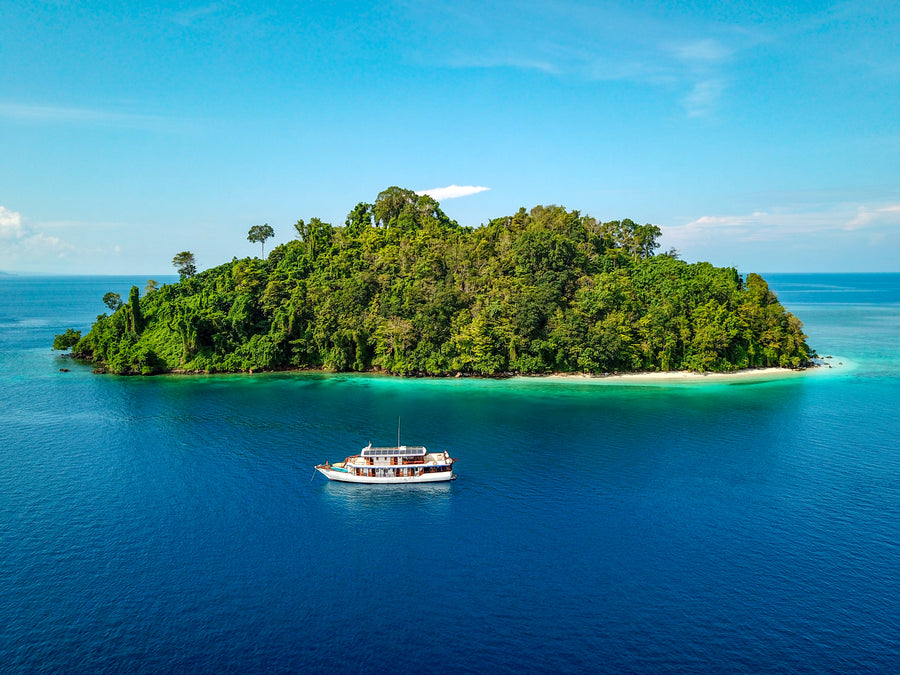
Bugis
Nomad Across Wakatobi, Bonerate & Komodo National Park
- Indicative duration
- 12 nights
- Embarkation
- Kendari
- Disembarkation
- Labuan Bajo
Bugis
Nomad Komodo & Taka Bonerate National Park
- Indicative duration
- 10 nights
- Embarkation
- Labuan Bajo
- Disembarkation
- Labuan Bajo
Bugis
Nomad Komodo Leisure Snorkeling
- Indicative duration
- 3 nights
- Embarkation
- Labuan Bajo
- Disembarkation
- Labuan Bajo
Bugis
Nomad Komodo Leisure Snorkeling
- Indicative duration
- 5 nights
- Embarkation
- Labuan Bajo
- Disembarkation
- Labuan Bajo
Bugis
Nomad Komodo Leisure Snorkeling
- Indicative duration
- 4 nights
- Embarkation
- Labuan Bajo
- Disembarkation
- Labuan Bajo
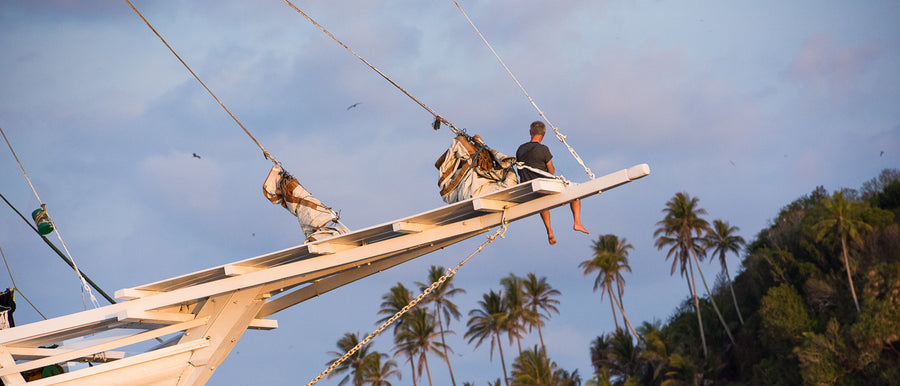
Pindito
Komodo
- Indicative duration
- 11 nights
- Embarkation
- Labuan Bajo, Bima or Maumere — confirm per departure
- Disembarkation
- Labuan Bajo, Bima or Maumere — confirm per departure
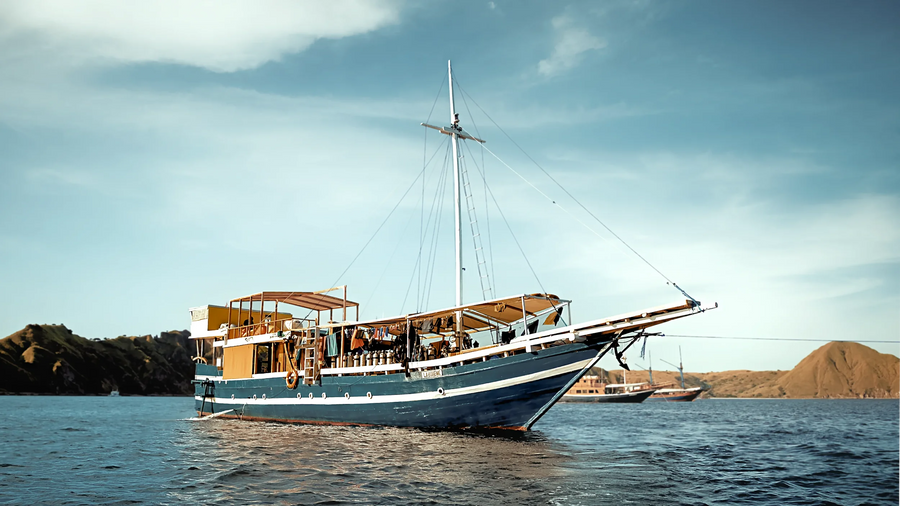
Bajak
Komodo Highlights
- Indicative duration
- 3 nights
- Embarkation
- Labuan Bajo
- Disembarkation
- Labuan Bajo
Bajak
South Komodo
- Indicative duration
- 4 nights
- Embarkation
- Labuan Bajo
- Disembarkation
- Labuan Bajo
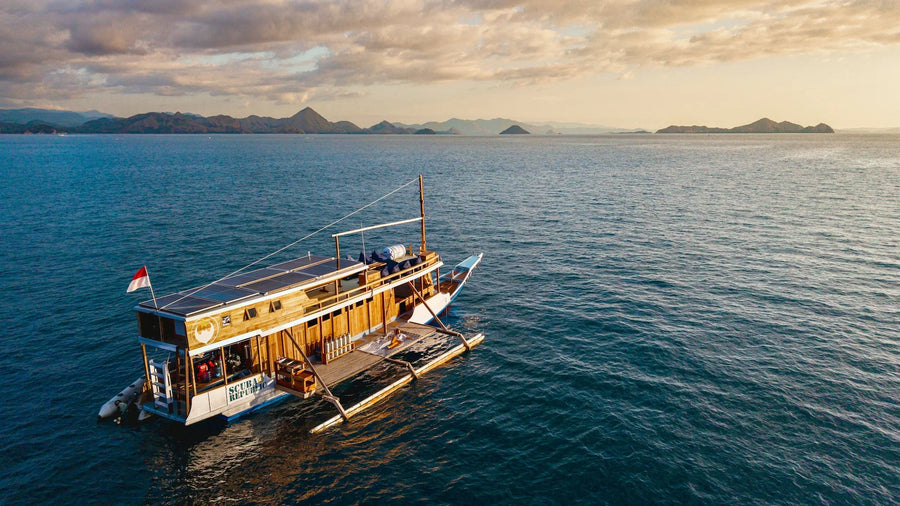
Capoeng
Central & North Komodo
- Indicative duration
- 2 nights
- Embarkation
- Labuan Bajo
- Disembarkation
- Labuan Bajo
Capoeng
Central & South Komodo
- Indicative duration
- 2 nights
- Embarkation
- Labuan Bajo
- Disembarkation
- Labuan Bajo
Capoeng
Komodo Highlights
- Indicative duration
- 2 nights
- Embarkation
- Labuan Bajo
- Disembarkation
- Labuan Bajo
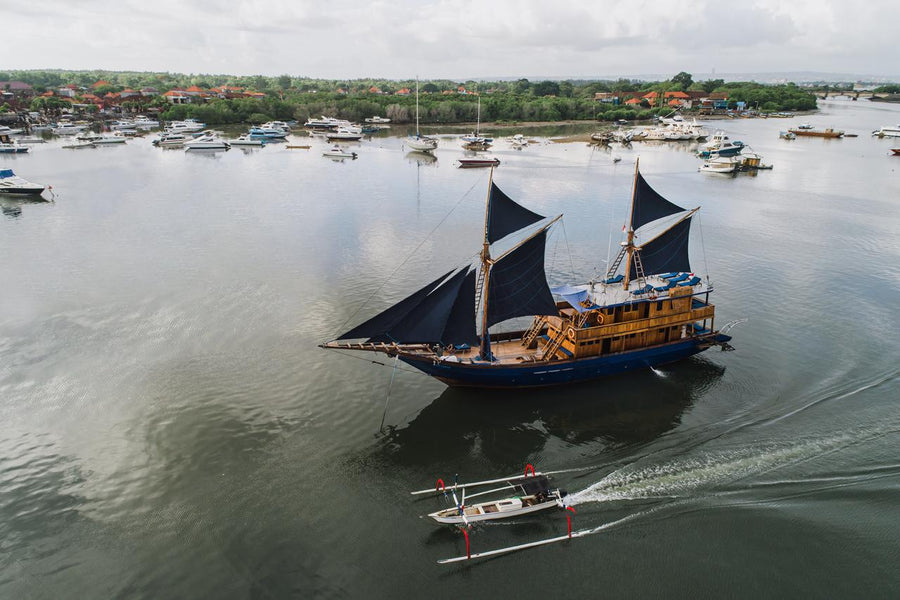
Situju 7
Komodo National Park — 3 Days / 2 Nights
- Indicative duration
- 2 nights
- Embarkation
- Labuan Bajo
- Disembarkation
- Labuan Bajo
Situju 7
Komodo National Park — 5 Days / 4 Nights
- Indicative duration
- 4 nights
- Embarkation
- Labuan Bajo
- Disembarkation
- Labuan Bajo
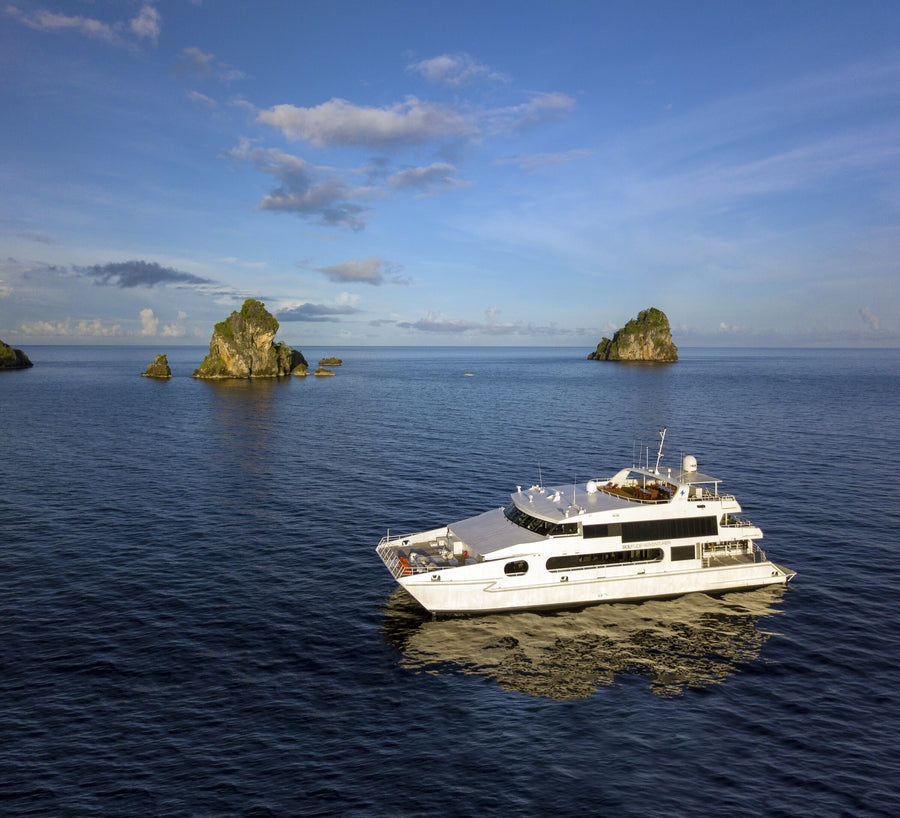
Solitude Adventurer
Komodo North & South - 6N
- Indicative duration
- 6 nights
- Embarkation
- Labuan Bajo
- Disembarkation
- Labuan Bajo
Solitude Adventurer
Komodo North & South - 7N
- Indicative duration
- 7 nights
- Embarkation
- Labuan Bajo
- Disembarkation
- Labuan Bajo
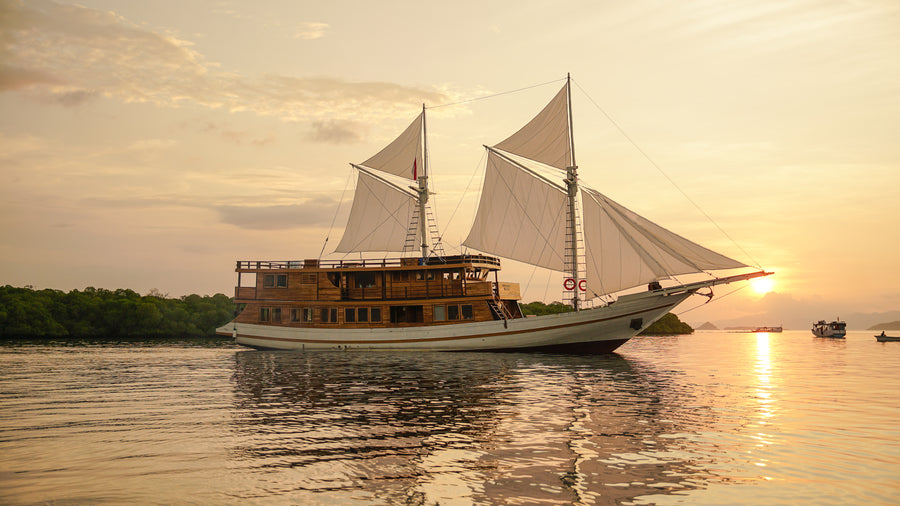
Sundari Voyages
Komodo Diving Photography Shared Trip — Labuan Bajo to Labuan Bajo
- Indicative duration
- 3 nights
- Embarkation
- Labuan Bajo
- Disembarkation
- Labuan Bajo
Sundari Voyages
Komodo Diving Photography Shared Trip — Labuan Bajo to Labuan Bajo
- Indicative duration
- 4 nights
- Embarkation
- Labuan Bajo
- Disembarkation
- Labuan Bajo
Sundari Voyages
Komodo Diving Photography Shared Trip — Labuan Bajo to Labuan Bajo
- Indicative duration
- 5 nights
- Embarkation
- Labuan Bajo
- Disembarkation
- Labuan Bajo
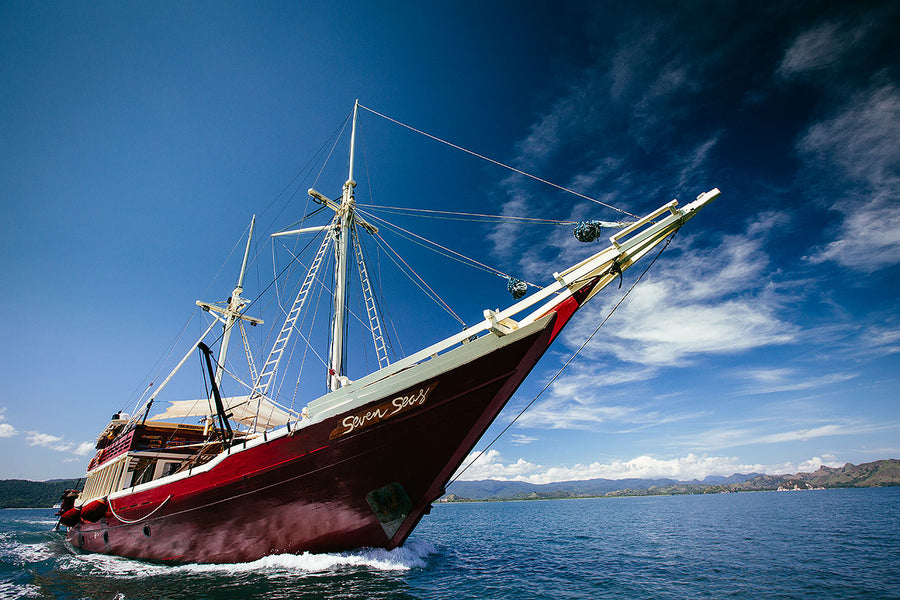
The Seven Seas
Banda Sea & Komodo National Park — Ambon to Labuan Bajo
- Indicative duration
- 14 nights
- Embarkation
- Ambon
- Disembarkation
- Labuan Bajo
The Seven Seas
Flores, Komodo National Park & Sumbawa — Maumere to Sumbawa Besar
- Indicative duration
- 12 nights
- Embarkation
- Maumere
- Disembarkation
- Sumbawa Besar
The Seven Seas
Komodo National Park & Flores — Labuan Bajo to Maumere
- Indicative duration
- 10 nights
- Embarkation
- Labuan Bajo
- Disembarkation
- Maumere
The Seven Seas
Komodo National Park & Sumbawa Whalesharks — Labuan Bajo to Sumbawa Besar
- Indicative duration
- 8 nights
- Embarkation
- Labuan Bajo
- Disembarkation
- Sumbawa Besar
The Seven Seas
Komodo National Park — Labuan Bajo to Labuan Bajo
- Indicative duration
- 9 nights
- Embarkation
- Labuan Bajo
- Disembarkation
- Labuan Bajo
The Seven Seas
Komodo National Park, Sumbawa & Flores — Labuan Bajo to Maumere
- Indicative duration
- 10 nights
- Embarkation
- Labuan Bajo
- Disembarkation
- Maumere
The Seven Seas
Komodo, East of Flores & Alor — Labuan Bajo to Alor
- Indicative duration
- 10 nights
- Embarkation
- Labuan Bajo
- Disembarkation
- Alor
The Seven Seas
Sumbawa Whalesharks & Komodo National Park — Sumbawa Besar to Labuan Bajo
- Indicative duration
- 9 nights
- Embarkation
- Sumbawa Besar
- Disembarkation
- Labuan Bajo
The Seven Seas
Sumbawa, Komodo National Park & Flores — Sumbawa Besar to Maumere
- Indicative duration
- 12 nights
- Embarkation
- Sumbawa Besar
- Disembarkation
- Maumere
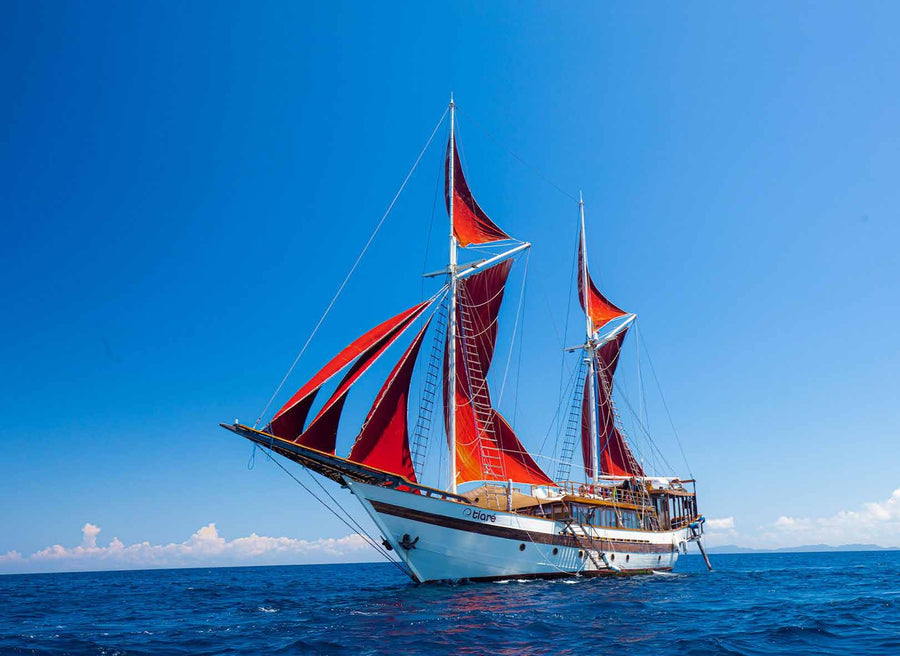
Tiare
Bali - Sumbawa - Komodo — Bali to Labuan Bajo
- Indicative duration
- 10 nights
- Embarkation
- Bali
- Disembarkation
- Labuan Bajo
Tiare
Bima - Sumbawa - Komodo — Bima to Labuan Bajo
- Indicative duration
- 10 nights
- Embarkation
- Bima
- Disembarkation
- Labuan Bajo
Tiare
Komodo - Alor - Maumere — Labuan Bajo to Maumere
- Indicative duration
- 11 nights
- Embarkation
- Labuan Bajo
- Disembarkation
- Maumere
Tiare
Komodo - Alor — Labuan Bajo to Kalabahi
- Indicative duration
- 9 nights
- Embarkation
- Labuan Bajo
- Disembarkation
- Kalabahi
Tiare
Komodo - North & South — Bali to Labuan Bajo
- Indicative duration
- 10 nights
- Embarkation
- Bali
- Disembarkation
- Labuan Bajo
Tiare
Komodo - North & South — Labuan Bajo to Labuan Bajo
- Indicative duration
- 7 nights
- Embarkation
- Labuan Bajo
- Disembarkation
- Labuan Bajo
Tiare
Komodo - North & South — Labuan Bajo to Labuan Bajo
- Indicative duration
- 8 nights
- Embarkation
- Labuan Bajo
- Disembarkation
- Labuan Bajo
Tiare
Komodo - Sumbawa - Bima — Labuan Bajo to Bima
- Indicative duration
- 10 nights
- Embarkation
- Labuan Bajo
- Disembarkation
- Bima
Tiare
Komodo, Central & Padar — Labuan Bajo to Labuan Bajo
- Indicative duration
- 7 nights
- Embarkation
- Labuan Bajo
- Disembarkation
- Labuan Bajo
Tiare
Maumere - Alor - Komodo — Maumere to Labuan Bajo
- Indicative duration
- 10 nights
- Embarkation
- Maumere
- Disembarkation
- Labuan Bajo
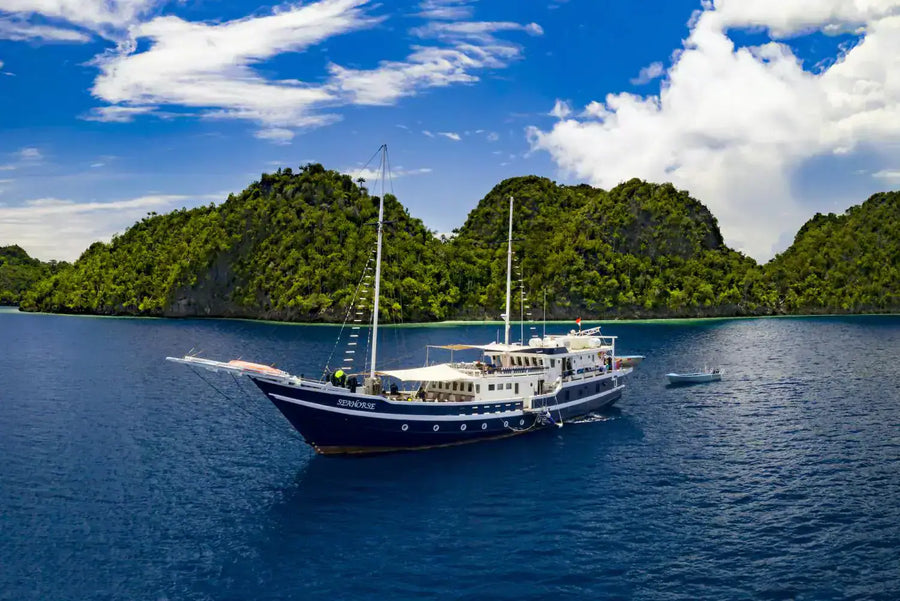
MSY Seahorse
Komodo, Sumbawa & West Flores
- Indicative duration
- 10 nights
- Embarkation
- Bali or Sumbawa — confirm per departure
- Disembarkation
- West Flores / Labuan Bajo — confirm per departure
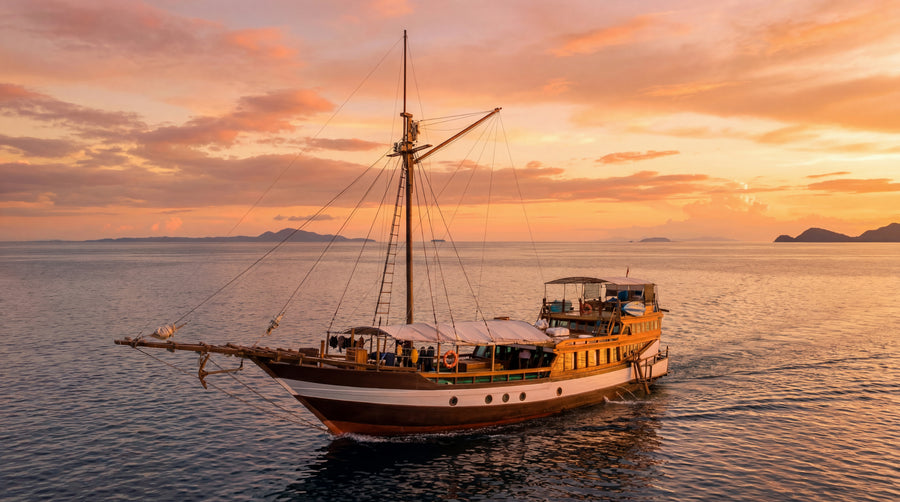
Wellenreng
Komodo National Park — Labuan Bajo to Labuan Bajo
- Indicative duration
- 5 nights
- Embarkation
- Labuan Bajo
- Disembarkation
- Labuan Bajo
Wellenreng
Komodo National Park — Labuan Bajo to Labuan Bajo
- Indicative duration
- 7 nights
- Embarkation
- Labuan Bajo
- Disembarkation
- Labuan Bajo
No routes match this search. Try another vessel or clear your search.
When to dive Komodo
April to November is a common starting window, particularly for northern and central diving. The south can be cooler and follows different exposure patterns. Current and tides shape every season here; date choice never replaces careful site selection and a suitable experience level.
Planning window: Best April–November.
What the diving is like
Advanced certification and confident current-diving skills are strongly recommended.
Manta encounters
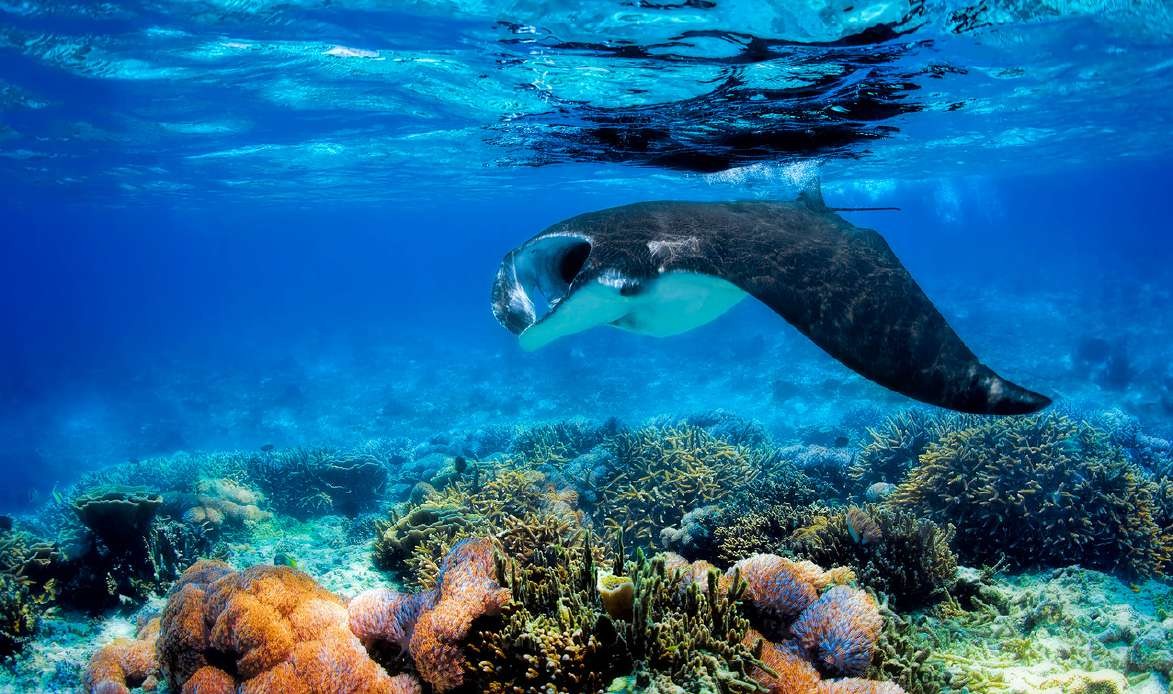
Komodo’s manta dives focus on shallow cleaning and feeding areas where reef mantas may pass repeatedly through plankton-rich water. Sightings are natural, and guides position divers to observe without chasing or cutting across the animals’ path.
Current-swept reefs
Tidal flow is one of Komodo’s defining features. The same current that feeds the reefs can make entries, descents and exits demanding, so experienced guides choose sites and timing around the actual water movement.
Large schools of fish
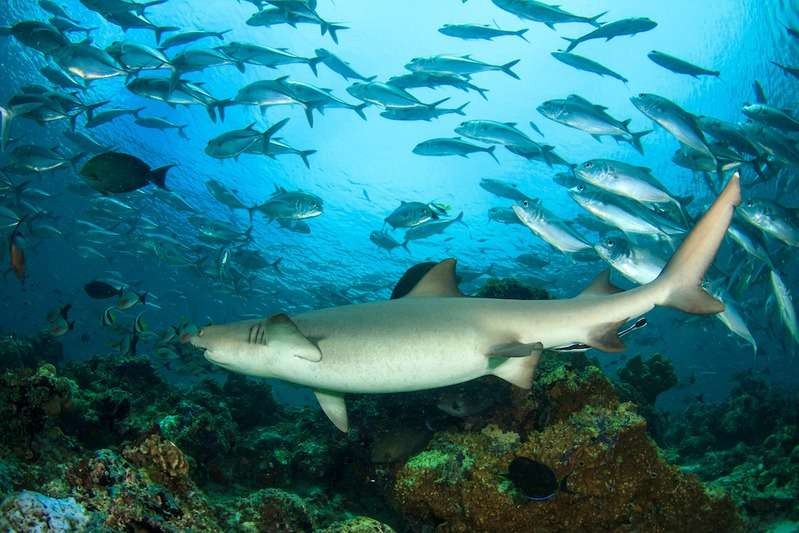
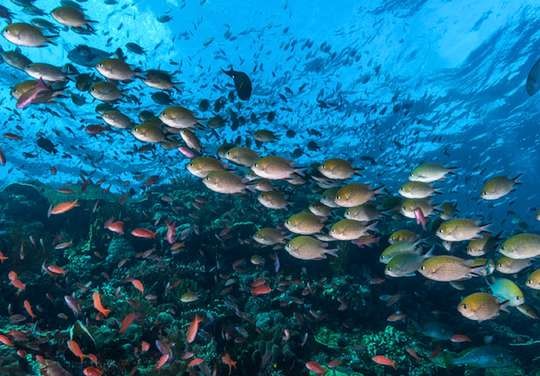
Pinnacles and channels can concentrate fusiliers, trevally, snapper and barracuda, with reef sharks often working the same current lines. These are wide-angle dives where staying with the group matters more than trying to hold one position.
A destination with two travel styles
Day boats from Labuan Bajo suit a flexible land stay. A liveaboard can spend more time near the dive areas and may extend farther across the park. Compare the actual route, because cruise length alone does not tell you which regions it visits.
DIVE SITE GUIDE
Dive sites in Komodo & Labuan Bajo
Explore the character of individual sites, from the setting and marine life to the diving conditions. Open a card for the full description; site access and the final profile depend on conditions and experience.
ORIENTATION MAP
Where the dive sites are
Use the map to understand how the key sites are spread around the destination. Pins are for trip-planning orientation only; entry points, moorings and the final dive plan are always confirmed by the local operator on the day.
Coordinates are planning references compiled from current dive-site sources. They are not navigation coordinates; entry points, moorings, tide windows and the final dive plan are always confirmed by the local operator on the day.
Pinnacle · Reef · Current
Batu Bolong
Batu Bolong is a tiny rock above water and a huge reef below it.
Explore this dive site
- Type
- Pinnacle · Reef · Current
- Depth
- 5–30 m
- Experience
- Advanced
- Current
- Strong possible
Batu Bolong is a tiny rock above water and a huge reef below it. The submerged structure drops steeply on both sides, concentrating coral and fish into a narrow current-swept footprint where anthias, fusiliers, trevally, turtles and reef sharks may all share the same scene.
The attraction is also the risk: currents can wrap around the rock and create down-current zones, so guides normally keep divers on the protected side rather than circling the pinnacle. When the tide is right, the shallows can be as spectacular as the deeper water, with dense coral and clouds of small fish in bright light. It is a classic Komodo dive for experienced divers who can hold position and follow a disciplined route.
Look for: Iconic pinnacle · Dense coral · Reef sharks possible · Strong-current site
Best for: Coral density · Schooling fish · Reef sharks · Wide angle
Submerged pinnacle · Pelagic
Castle Rock
Castle Rock is one of northern Komodo’s high-energy pelagic sites.
Explore this dive site
- Type
- Submerged pinnacle · Pelagic
- Depth
- 5–35 m
- Experience
- Advanced
- Current
- Strong
Castle Rock is one of northern Komodo’s high-energy pelagic sites. The submerged pinnacle rises into moving water, and the usual strategy is to descend promptly, settle near the current-facing side and let the action come to you.
Grey reef sharks, whitetips, giant trevally, tuna and dense schools of fusiliers or jacks may work the reef edge, while coral and smaller fish occupy the protected sections. The site is not about drifting casually over scenery; it rewards divers who can make a controlled negative entry, stay compact as a group and manage gas while watching the blue. Current strength changes dramatically with tide, and the operator may substitute another site if the window is not suitable.
Look for: Pelagic action · Submerged pinnacle · Grey reef sharks possible · Advanced current skills
Best for: Sharks · Trevally · Schooling fish · Action diving
Pinnacle · Reef · Current
Crystal Rock
Crystal Rock sits close to Castle Rock but has its own personality.
Explore this dive site
- Type
- Pinnacle · Reef · Current
- Depth
- 5–30 m
- Experience
- Advanced
- Current
- Moderate–Strong
Crystal Rock sits close to Castle Rock but has its own personality. Parts of the pinnacle break the surface at low tide, and below the water the site combines colorful coral, schooling fish and blue-water encounters around a more visible structure.
Trevally, mackerel, reef sharks and batfish can move through the current while the reef itself remains busy with anthias and smaller fish. A ridge and rock contours can provide useful shelter, allowing experienced guides to shape the dive around conditions rather than simply drifting away. Like its neighbor, Crystal Rock is best when the tide window is selected carefully; strong current is part of the ecosystem, not something to fight.
Look for: Pinnacle reef · Colorful coral · Trevally & sharks possible · Current-timed
Best for: Coral · Schooling fish · Sharks · Photography
Shallow drift · Cleaning / feeding area
Manta Point (Karang Makassar)
Manta Point is a broad, relatively shallow drift across sand, rubble and low coral where reef mantas may visit cleaning stations or feed in plankton-rich water.
Explore this dive site
- Type
- Shallow drift · Cleaning / feeding area
- Depth
- 5–15 m
- Experience
- Intermediate
- Current
- Mild–Moderate
Manta Point is a broad, relatively shallow drift across sand, rubble and low coral where reef mantas may visit cleaning stations or feed in plankton-rich water. Unlike Komodo’s steep pinnacles, there is little vertical topography to hide behind, so the dive is about reading the current and moving slowly enough to notice animals approaching from the blue.
Manta encounters are natural and never guaranteed; the best behavior is to stay low, avoid chasing or blocking the animals and let the mantas choose the distance. Even without mantas, turtles, reef fish and occasional rays can make the drift worthwhile. The shallow profile gives generous bottom time, but surface conditions and boat traffic still require close guide control.
Look for: Manta potential · Shallow drift · Long bottom time · Wildlife etiquette
Best for: Mantas · Shallow drift · Wildlife observation
Channel · Drift · Current
The Cauldron
The Cauldron — often called Shotgun — is Komodo current diving distilled into one site.
Explore this dive site
- Type
- Channel · Drift · Current
- Depth
- 5–25 m
- Experience
- Advanced
- Current
- Strong
The Cauldron — often called Shotgun — is Komodo current diving distilled into one site. The route moves through a channel between islands, passing reef and a deeper bowl before the water can accelerate through the narrow section.
When conditions align, divers feel the speed build, then exit into a calmer area where schooling fish, sharks or rays may be seen. The excitement comes from the water movement, but the dive should never be treated as a thrill ride without planning: tide, entry point and group spacing are critical, and the operator may avoid the site if the current is outside the group’s comfort level. It is best suited to experienced divers who are relaxed in fast drift conditions.
Look for: Famous 'Shotgun' drift · Channel current · Advanced profile · Tide-dependent
Best for: Drift diving · Channel topography · Fish action
Drift · Coral slope
Tatawa Besar
Tatawa Besar is one of Komodo’s most enjoyable coral drifts when the current is running at a manageable speed.
Explore this dive site
- Type
- Drift · Coral slope
- Depth
- 5–25 m
- Experience
- Intermediate
- Current
- Moderate–Strong
Tatawa Besar is one of Komodo’s most enjoyable coral drifts when the current is running at a manageable speed. Divers move along a sloping reef covered in hard and soft coral, passing bommies, fish schools and frequent turtle habitat without needing to swim aggressively.
The site can feel almost effortless on the right tide, which makes it useful for intermediate divers building confidence in drift diving, but faster water can quickly raise the difficulty. The best dives are not about reaching a particular landmark; they are about letting the reef unfold while the guide keeps the group in the productive current line and away from areas where flow becomes less comfortable.
Look for: Classic coral drift · Turtles possible · Hard & soft coral · Intermediate current skills
Best for: Coral scenery · Drift diving · Turtles · Wide angle
Reef · Sandy slope · Turtle site
Siaba Besar
Siaba Besar is often the calmest-looking name on a Komodo itinerary — and that is exactly its value.
Explore this dive site
- Type
- Reef · Sandy slope · Turtle site
- Depth
- 3–25 m
- Experience
- Beginner–Intermediate
- Current
- Usually mild
Siaba Besar is often the calmest-looking name on a Komodo itinerary — and that is exactly its value. The sandy and coral slope provides a more forgiving environment than the northern pinnacles, with turtles frequently resting or feeding around the reef and smaller macro subjects hiding in the sand and coral heads.
Current is often lighter, allowing newer divers to settle into Komodo conditions and photographers to slow down instead of constantly managing drift. The site is still tidal and should not be assumed calm every day, but on a suitable window it is an excellent check dive, third dive or recovery dive after a high-energy morning. The shallows also make for a comfortable safety stop with plenty left to see.
Look for: Turtle habitat · Generally gentler current · Macro subjects · Mixed-experience friendly
Best for: Turtles · Easy reef diving · Macro · Check dives
Reef slope · Manta area
Mawan
Mawan combines a shallow coral-and-sand slope with the possibility of manta encounters, giving divers a less stark environment than the open rubble of Karang Makassar.
Explore this dive site
- Type
- Reef slope · Manta area
- Depth
- 5–20 m
- Experience
- Intermediate
- Current
- Mild–Moderate
Mawan combines a shallow coral-and-sand slope with the possibility of manta encounters, giving divers a less stark environment than the open rubble of Karang Makassar. Cleaning activity and passing mantas are possible when conditions suit them, while turtles, reef fish and coral keep the dive interesting if the mantas do not appear.
The site’s moderate depth makes it attractive for photography, but the same wildlife rules apply: do not chase, touch or crowd a manta, and let the animal set the encounter. Current varies with tide and can move divers along the slope, so the guide may adjust the start point to keep the group near the most productive section without fighting the water.
Look for: Manta potential · Shallow coral slope · Turtles possible · Photography
Best for: Mantas · Coral slope · Relaxed wildlife dive
Underwater photography
Mantas, schooling fish and reef topography make wide angle a natural starting point. Komodo’s changing flow can leave little time to compose, so a simple camera setup and confident handling help. Use quieter reef dives for small subjects, and allow manta encounters to develop without swimming across the animals’ path.
Beyond diving: Komodo above the surface
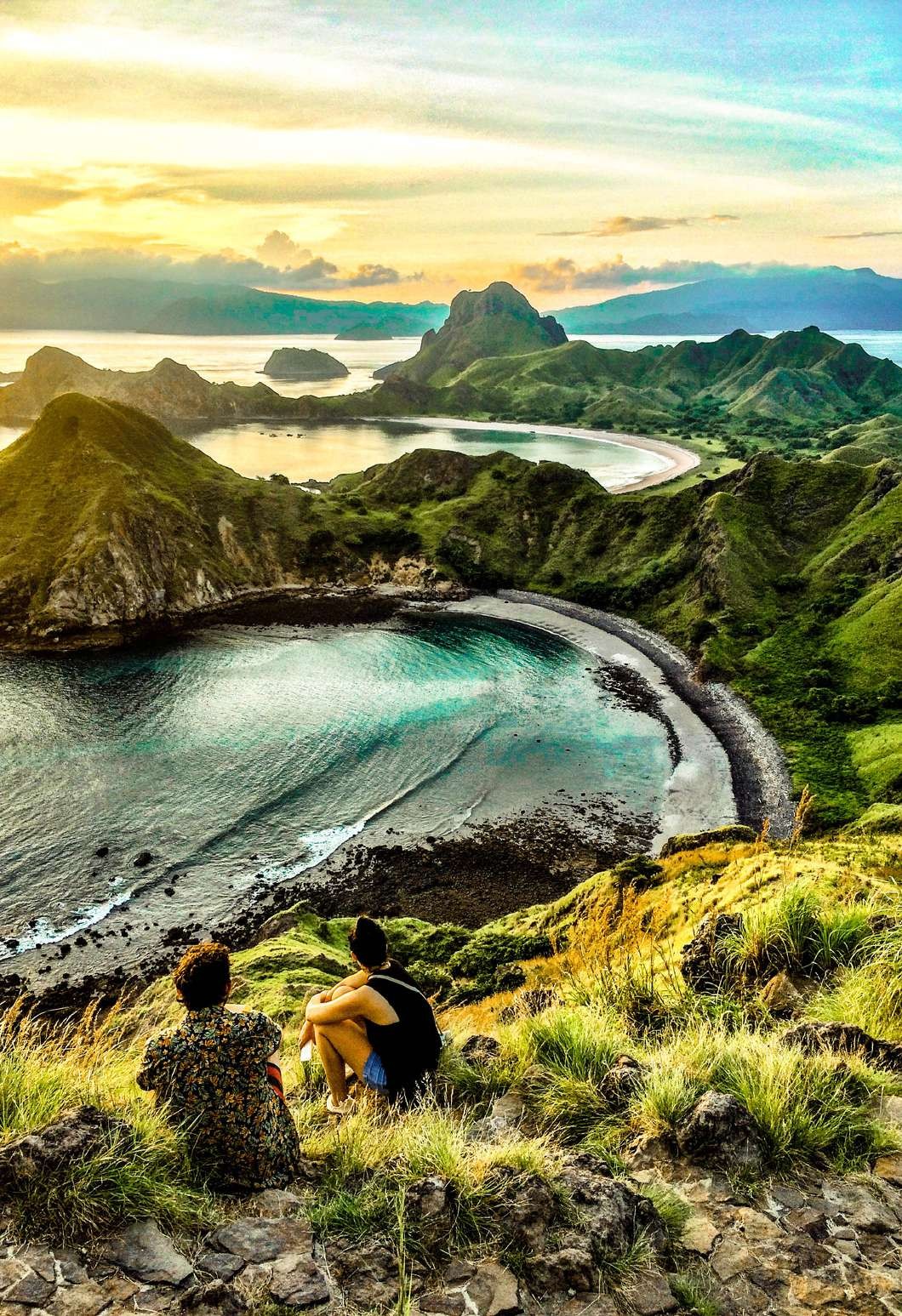
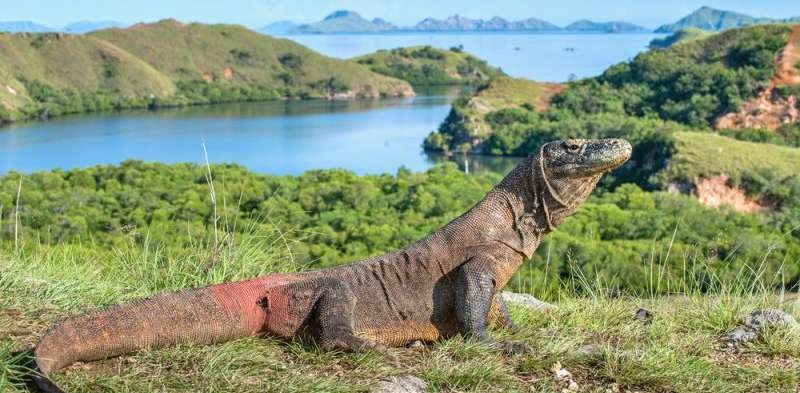
Komodo dragons, dry island hills and sweeping viewpoints make a land excursion an essential part of many visits. Ranger-led walks and the scenery around the islands add context to the marine park rather than simply interrupting the diving.
Labuan Bajo offers restaurants and a convenient gateway, while a liveaboard brings evenings at anchor and more time within the island landscape. Plan walking excursions for heat, terrain and the group’s mobility; a viewpoint climb is a different activity from a short ranger walk.
Getting to Komodo
Fly to Labuan Bajo on Flores, the main gateway for Komodo. A land stay begins with a short local transfer, while a liveaboard programme has its own meeting point and embarkation time. Day boats and longer cruises offer different access to the wider destination.
Build separate time into the trip for park walks and island viewpoints. If a liveaboard begins or ends outside Labuan Bajo, use those actual ports when arranging flights rather than assuming a return journey from the same airport.
Komodo diving questions
What makes Komodo worth a diving trip?
Komodo changes character as you move through it: bright coral gardens, current-fed pinnacles, manta areas and cooler southern waters. Labuan Bajo stays and liveaboard routes offer different ways to explore a national park that is remarkable above and below the surface.
Should I choose a resort or a liveaboard?
A Labuan Bajo or island resort base offers flexible days and land activities. A liveaboard reduces repeated travel to more distant sites and can reach a broader part of the park. Compare the actual north, central and south coverage: a short Komodo cruise does not necessarily visit every region.
When is a useful time to visit?
April to November is a common starting window, particularly for northern and central diving. The south can be cooler and follows different exposure patterns. Current and tides shape every season here; date choice never replaces careful site selection and a suitable experience level.
Is there enough for non-diving companions?
Komodo dragons, dry island hills and sweeping viewpoints make a land excursion an essential part of many visits. Ranger-led walks and the scenery around the islands add context to the marine park rather than simply interrupting the diving.
A closer look at Komodo & Labuan Bajo



Plan your Komodo trip
Tell us the experiences you most want, your preferred dates and how you like to travel. We can bring the destination, accommodation and diving into one coherent itinerary.
Plan my trip