

Destination guide · Indonesia
Gili Islands & Lombok Diving
Turtle dives, short boat rides and an afternoon on a bicycle give the Gilis an easy rhythm. The three islands share a wider dive region, but their evening atmosphere and pace can feel quite different.
Gili Islands & Lombok at a glance
The Gili Islands offer warm-water reef diving, frequent turtle encounters and an easy island lifestyle shaped by beaches, bicycles, cafés and sunsets. Short boat journeys and a broad operator base make the destination approachable for newer divers and relaxed mixed groups.
The Gilis are not intended as a remote or highly technical expedition. Their strength is accessibility: divers can combine straightforward reef days with snorkeling, yoga, Lombok excursions and unstructured beach time. Site and island choice should reflect the preferred balance between nightlife and tranquillity.
Planning your Gili Islands & Lombok stay
Pick the island atmosphere first, then compare dive-centre arrangements and the room setting. Three to five diving days works well for reefs, turtle habitats and suitable deeper sites. The Gilis are particularly practical for groups who want diving to share the holiday with relaxed beach time.

Manta Dive Gili Trawangan Resort
Dive, stay and enjoy island life at a central Gili Trawangan resort just steps from the beach, harbour and daily dive departures.

Manta Dive Gili Air Resort
Relaxed Gili Air dive-and-stay resort with three contracted room categories, guided fun diving, dive courses and private Lombok transfer options.
When to dive Gili Islands & Lombok
The drier part of the year, broadly May to October, is a useful starting point. Boats and crossings still depend on sea state. Shallow sites can suit newer divers, while deeper reefs and current-affected areas require a different level of comfort.
Planning window: Best May–October.
What the diving is like
Choose the islands and sites to suit the group’s experience.
Turtle Heaven
One of the most popular Gili dive sites, known for relaxed turtle encounters in warm, accessible water.
Easy Boat Dives
Most dives are short boat rides from the islands, making the rhythm simple, social and suitable for mixed-level groups.
Shark Point
A popular site with reef sharks, turtles, schooling fish and a slightly more exciting profile for confident divers.
No-Car Island Atmosphere
Bicycles, beach paths, cafés and a car-free rhythm make the Gilis feel relaxed and easy from the first day.
Sunsets & Beach Life
Sunset views, beach cafés, music and relaxed evenings give the destination strong holiday appeal beyond diving.
Turtle & Reef Photography
Wide-angle and action cameras work well for turtles, reef scenes, snorkelers and relaxed tropical dive memories.
Great for Mixed Groups
The Gilis work well for beginner divers, refreshers, snorkelers, non-divers and companions who want easy island time.
Lombok & Rinjani Extensions
Lombok waterfalls, Rinjani extensions and Bali combinations can add nature and travel variety to the dive holiday.
DIVE SITE GUIDE
Dive sites in Gili Islands & Lombok
Explore the character of individual sites, from the setting and marine life to the diving conditions. Open a card for the full description; site access and the final profile depend on conditions and experience.
ORIENTATION MAP
Where the dive sites are
Use the map to understand how the key sites are spread around the destination. Pins are for trip-planning orientation only; entry points, moorings and the final dive plan are always confirmed by the local operator on the day.
Coordinates are planning references compiled from current dive-site sources. They are not navigation coordinates; entry points, moorings, tide windows and the final dive plan are always confirmed by the local operator on the day.
Reef · Canyons · Drift
Shark Point
Shark Point is one of the Gilis’ most varied dives because shallow turtle habitat, deeper sandy canyons and current all meet in one site.
Explore this dive site
- Type
- Reef · Canyons · Drift
- Depth
- 6–30+ m
- Experience
- Intermediate–Advanced
- Current
- Moderate–Strong
Shark Point is one of the Gilis’ most varied dives because shallow turtle habitat, deeper sandy canyons and current all meet in one site. Whitetip reef sharks may cruise or rest deeper, while turtles remain common in the upper reef and large bumphead parrotfish can appear around lunar cycles.
Schools of fish and the Glenn Nusa wreck add further structure. The site can be dived conservatively in the shallows, but the deeper canyons and stronger current are better for advanced divers. The best profile is planned by level rather than by the site’s name: divers do not need to descend to the deepest shark areas to have an excellent dive.
Look for: Reef sharks · Turtles · Canyon topography · Strong current possible
Best for: Reef sharks · Turtles · Bumphead parrotfish · Drift
Pinnacle · Reef
Turtle Heaven
Turtle Heaven is built around a coral-covered mound northeast of Gili Meno, where green and hawksbill turtles rest, feed and visit cleaning stations.
Explore this dive site
- Type
- Pinnacle · Reef
- Depth
- 6–30 m
- Experience
- Beginner–Intermediate
- Current
- Mild–Moderate
Turtle Heaven is built around a coral-covered mound northeast of Gili Meno, where green and hawksbill turtles rest, feed and visit cleaning stations. The site’s popularity comes from the fact that the turtles occupy a comfortable recreational depth, so divers can watch behavior without racing a decompression clock.
Reef fish, morays, octopus and smaller subjects fill the slope, while deeper bommies may hold sharks or larger fish. Current is usually manageable, making the site suitable for newer divers, but wildlife etiquette still matters: approaching slowly and giving turtles space keeps the animals relaxed and produces far better encounters than crowding them for a photograph.
Look for: High turtle density · Pinnacle · Beginner friendly · Photography
Best for: Green turtles · Hawksbills · Easy photography
Wall · Reef · Night
Meno Wall
Meno Wall runs along the west side of Gili Meno, beginning shallow before dropping toward a sandy bottom in the low twenties.
Explore this dive site
- Type
- Wall · Reef · Night
- Depth
- 5–25 m
- Experience
- Intermediate
- Current
- Variable
Meno Wall runs along the west side of Gili Meno, beginning shallow before dropping toward a sandy bottom in the low twenties. Turtles are a major feature, but the wall itself holds lionfish, scorpionfish, morays, lobsters and nudibranchs, which is why the site also works well after dark.
Current can range from almost nothing to surprisingly strong, so the same wall may feel like a slow macro dive or a proper drift depending on tide. The visible bottom and modest depth make the profile easy to control, while the wall gives enough structure to keep the dive interesting from start to finish.
Look for: Turtles · Wall · Night-dive favorite · Macro life
Best for: Turtles · Night diving · Macro · Wall
Deep reef · Ridges · Seamounts
Deep Turbo
Deep Turbo is one of the Gilis’ true advanced sites.
Explore this dive site
- Type
- Deep reef · Ridges · Seamounts
- Depth
- 20–40 m
- Experience
- Advanced
- Current
- Variable / strong possible
Deep Turbo is one of the Gilis’ true advanced sites. Ridges, gorges and sea mounds rise from a sandy bottom around the mid-to-high twenties, with garden eels and stingrays on the sand and soft coral, gorgonians and reef life on the structure.
Whitetip sharks, barracuda and eagle rays are possible visitors, while macro life rewards divers who look closely at the reef. The site is deep enough that no-decompression time and gas become real planning factors, and current can range from mild to very strong. Divers should arrive already comfortable with deep profiles and drift procedures rather than treating it as a routine extension of the shallow Gili reefs.
Look for: Deep seamounts · Gorgonians · Sharks & rays possible · Advanced only
Best for: Deep topography · Sharks · Eagle rays · Gorgonians
Deep reef · Sea mounds
Simon’s Reef
Simon’s Reef sits northeast of Gili Meno and is valued as much for shape as for wildlife.
Explore this dive site
- Type
- Deep reef · Sea mounds
- Depth
- 18–30+ m
- Experience
- Advanced
- Current
- Variable
Simon’s Reef sits northeast of Gili Meno and is valued as much for shape as for wildlife. Large sea mounds and coral structures rise above a sandy bottom around 30 metres, creating gullies, overhangs and visually distinct routes through the reef.
Garden eels, stingrays and cuttlefish occupy the sand, while reef fish and coral cover the mounds. The depth means the dive should be planned for Advanced Open Water divers, especially because current can change significantly. A careful ascent through the upper parts of the site preserves gas and gives more time to appreciate the shallower coral rather than spending the entire dive close to the 30-metre limit.
Look for: Deep sea mounds · Unique topography · Garden eels · Advanced profile
Best for: Topography · Coral variety · Garden eels
Reef · Drift · Gullies
Halik
Halik is almost two sites in one.
Explore this dive site
- Type
- Reef · Drift · Gullies
- Depth
- 5–30+ m
- Experience
- Beginner–Advanced
- Current
- Moderate–Strong
Halik is almost two sites in one. The shallow platform and coral bommies between roughly 5 and 15 metres suit newer divers, while deeper gullies and ridges toward 25–30 metres offer a more advanced profile.
Small caves may shelter juvenile whitetip reef sharks, and schools of sweetlips, snapper and surgeonfish move through the reef. Current is an important variable, especially around full and new moon, so guides choose whether to run a shallow aquarium-style dive or a faster drift. That flexibility makes Halik particularly useful for mixed groups: everyone can dive the same general site while following a depth and current plan appropriate to experience.
Look for: Shallow + deep profiles · Juvenile reef sharks possible · Coral garden · Current varies
Best for: Coral garden · Juvenile sharks · Drift · Training progression
Sloping reef · Drift
Sunset Reef / Manta Point
Sunset Reef on the southwest side of Gili Trawangan is a gradual coral slope that works well for divers who want a broad reef rather than deep topography.
Explore this dive site
- Type
- Sloping reef · Drift
- Depth
- 5–25 m
- Experience
- Beginner–Intermediate
- Current
- Mild–Moderate
Sunset Reef on the southwest side of Gili Trawangan is a gradual coral slope that works well for divers who want a broad reef rather than deep topography. Hard and soft coral support snapper, sweetlips, turtles and reef fish, while sharks or passing mantas are occasional bonuses rather than dependable attractions.
The site can be calm enough for newer divers, but a moderate current may turn it into an easy drift. Because useful habitat extends from the shallows downward, photographers can stay in good light for most of the dive and finish among reef life rather than over bare sand. It is a relaxed counterpart to Shark Point and Deep Turbo.
Look for: Gradual reef slope · Turtles · Occasional manta · Beginner accessible
Best for: Turtles · Coral · Occasional manta · Easy drift
Seamounts · Pinnacles
Taket Malang
Taket Malang is a group of submerged sea mounts northeast of Gili Meno, with tops as shallow as around seven metres and bases dropping toward 40 metres.
Explore this dive site
- Type
- Seamounts · Pinnacles
- Depth
- 7–40 m
- Experience
- Advanced
- Current
- Moderate
Taket Malang is a group of submerged sea mounts northeast of Gili Meno, with tops as shallow as around seven metres and bases dropping toward 40 metres. The site is primarily about shape: divers move between pinnacles, sand and changing relief rather than following a continuous island slope.
The full depth range is well beyond what a recreational dive needs, so advanced groups normally work the upper structures and let the deeper base remain out of the plan. Moderate current can move across the seamounts and should be used to shape the route. For wide-angle photographers, the detached structures give a more dramatic, open-water composition than most Gili reef dives.
Look for: Multiple seamounts · 7–40 m range · Advanced topography · Wide angle
Best for: Seamount topography · Deep reef · Photography
Underwater photography
At Shark Point, reef sharks, Turtles, Bumphead parrotfish, Drift give an idea of the photographic possibilities. Choose the camera setup for the planned sites, then leave time to observe the scene before making the image. Repeating a productive dive often creates better opportunities than constantly searching for a different location. For reef scenes, use the shape of the reef and the available light to give the image depth. A diver at a respectful distance can provide scale without crowding an animal.
Beyond diving: Gili Islands & Lombok above the surface
Beaches, cycling, cafés, yoga and sunsets make the Gilis welcoming for companions who do not dive. Choose the island to match the holiday: the livelier areas of Gili Trawangan, a gentler Gili Air stay or the quieter feel of Gili Meno.
Lombok adds waterfalls, villages and mountain landscapes as a separate extension. A Rinjani trek is a demanding high-altitude programme, so it belongs in a carefully sequenced itinerary with appropriate separation from diving.
Getting to Gili Islands & Lombok
Most international guests reach the Gili Islands by flying to Bali or Lombok. From Bali, guests continue by fast boat. From Lombok, guests continue by road and boat transfer depending on the selected island and itinerary.
Choose arrival and departure times around the onward transfer, especially when a boat crossing or a long road journey is involved. Leave space for a relaxed final day ashore and an appropriate interval between the last dive and flying.
Gili Islands & Lombok diving questions
What makes Gili Islands & Lombok worth a diving trip?
Turtle dives, short boat rides and an afternoon on a bicycle give the Gilis an easy rhythm. The three islands share a wider dive region, but their evening atmosphere and pace can feel quite different.
How should I plan my stay?
Pick the island atmosphere first, then compare dive-centre arrangements and the room setting. Three to five diving days works well for reefs, turtle habitats and suitable deeper sites. The Gilis are particularly practical for groups who want diving to share the holiday with relaxed beach time.
When is a useful time to visit?
The drier part of the year, broadly May to October, is a useful starting point. Boats and crossings still depend on sea state. Shallow sites can suit newer divers, while deeper reefs and current-affected areas require a different level of comfort.
Is there enough for non-diving companions?
Beaches, cycling, cafés, yoga and sunsets make the Gilis welcoming for companions who do not dive. Choose the island to match the holiday: the livelier areas of Gili Trawangan, a gentler Gili Air stay or the quieter feel of Gili Meno.
A closer look at Gili Islands & Lombok



Plan your Gili Islands & Lombok trip
Tell us the experiences you most want, your preferred dates and how you like to travel. We can bring the destination, accommodation and diving into one coherent itinerary.
Plan my tripPhoto credits
Images are resized for display and may be cropped to fit the page layout.
- Sea turtle above the sandy reef floor at Gili Trawangan, Indonesia: Ocean's wonder - Flickr - orbis imaginibus.jpg — orbis imaginibus. CC BY-SA 2.0. Web-size image supplied by Wikimedia Commons; no scene edits.
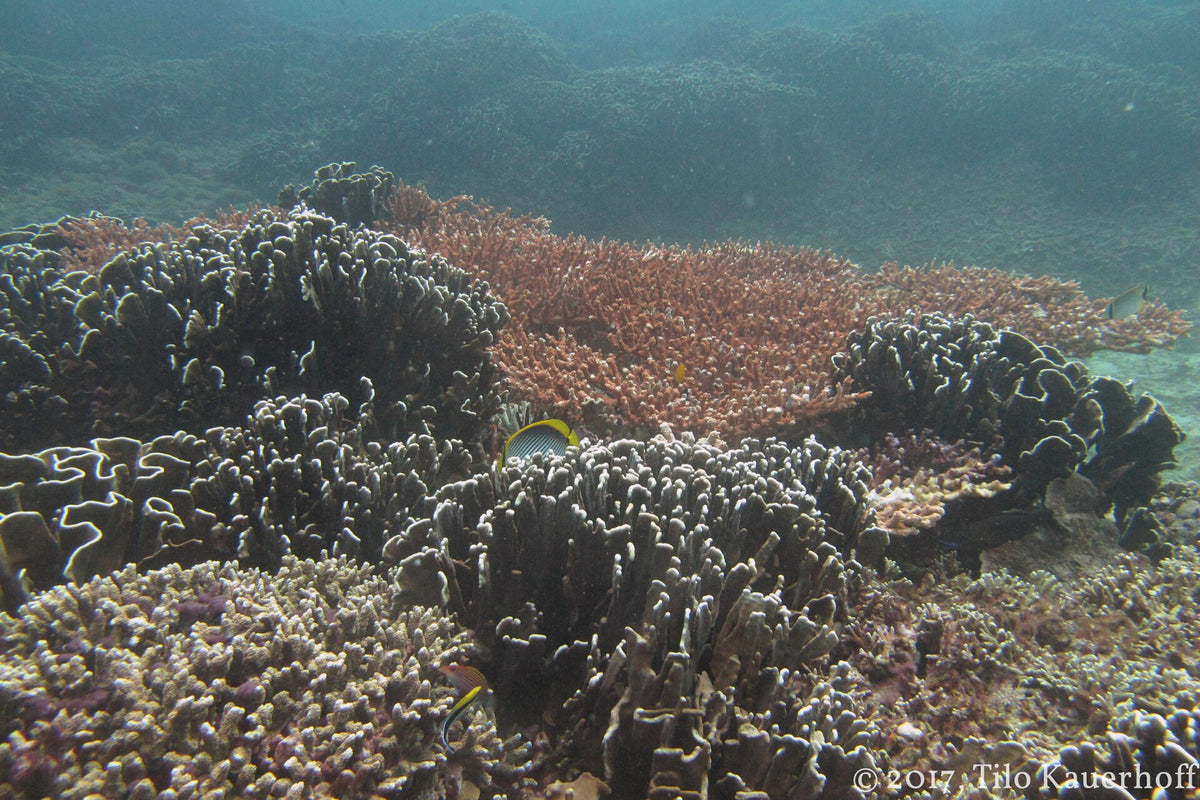
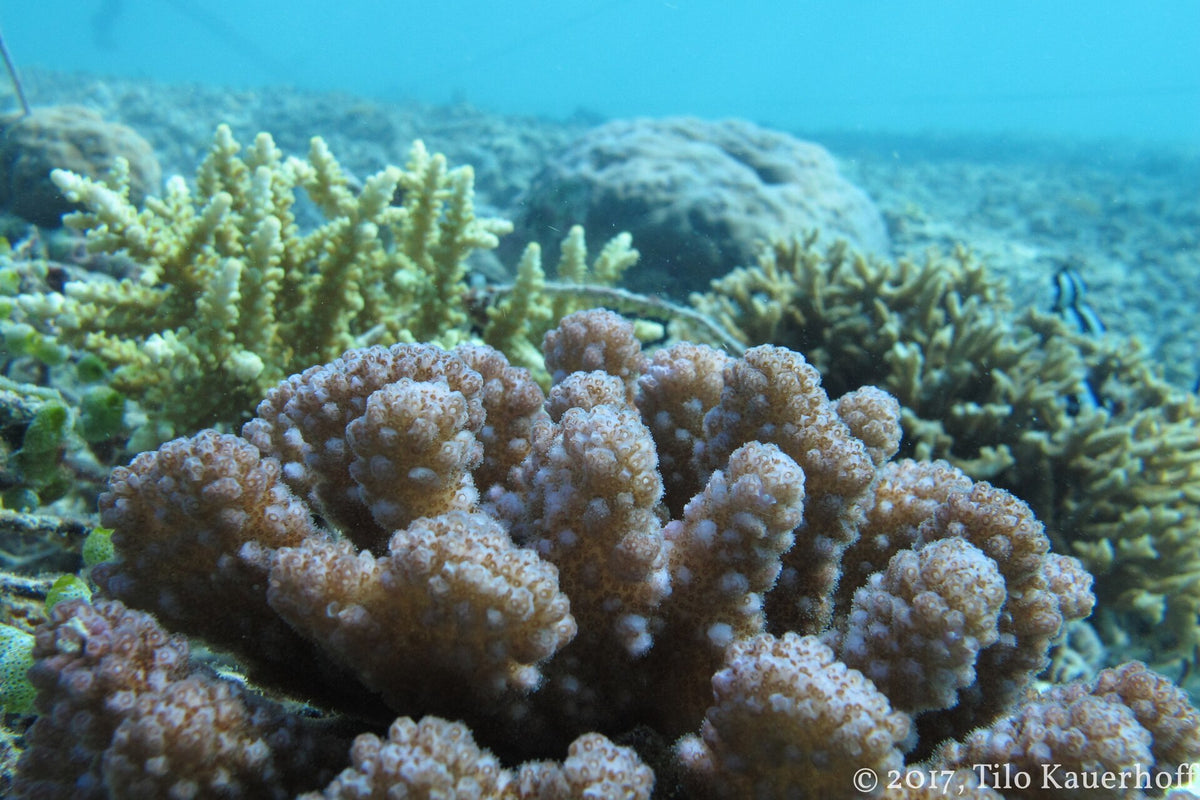
- Coral garden on a natural reef around the Gili Islands, Lombok: Glowing Garden (220789229).jpeg — Tilonaut. CC BY 3.0. Web-size image supplied by Wikimedia Commons; no scene edits.
- Reef fish among branching corals at Gili Trawangan: Attractive Growth (220846841).jpeg — Tilonaut. CC BY 3.0. Web-size image supplied by Wikimedia Commons; no scene edits.
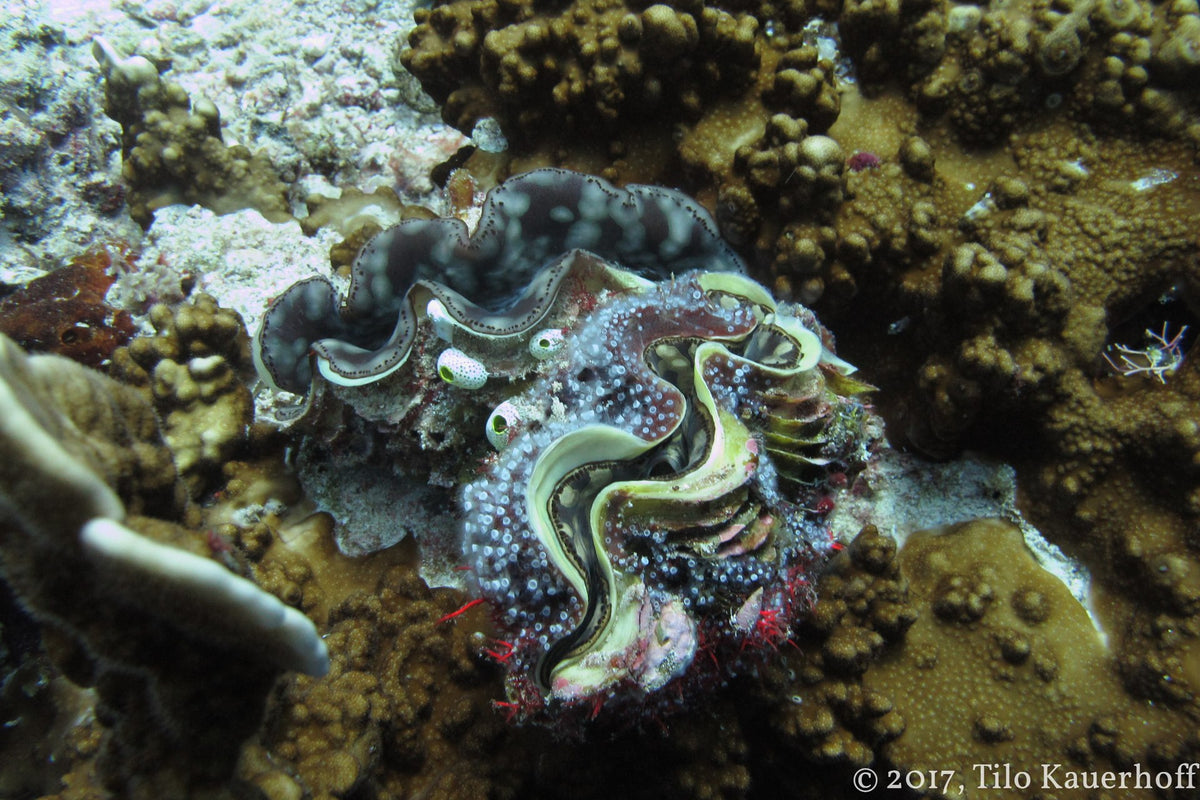
- Two giant clams on a coral reef at Gili Trawangan: Clammunity (223992521).jpeg — Tilonaut. CC BY 3.0. Web-size image supplied by Wikimedia Commons; no scene edits.
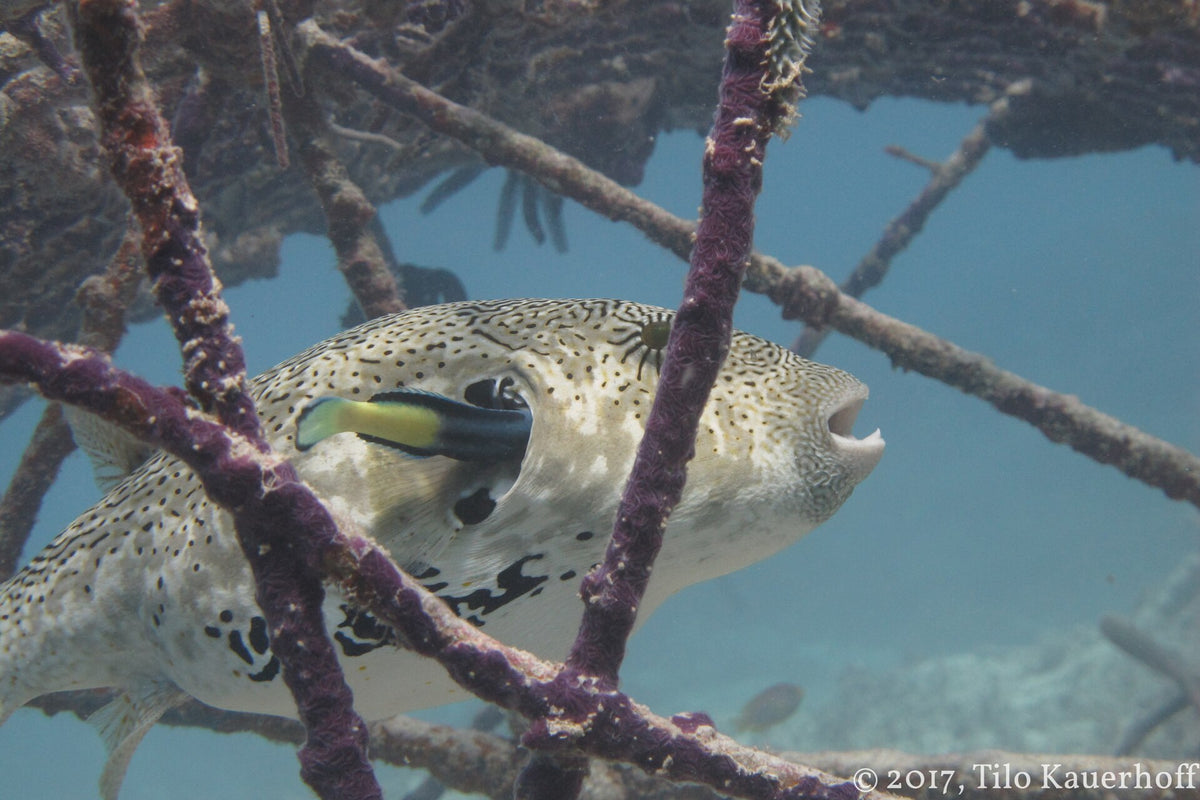
- Pufferfish being cleaned beside an artificial reef at Gili Trawangan: That S The Spot (221593881).jpeg — Tilonaut. CC BY 3.0. Web-size image supplied by Wikimedia Commons; no scene edits.
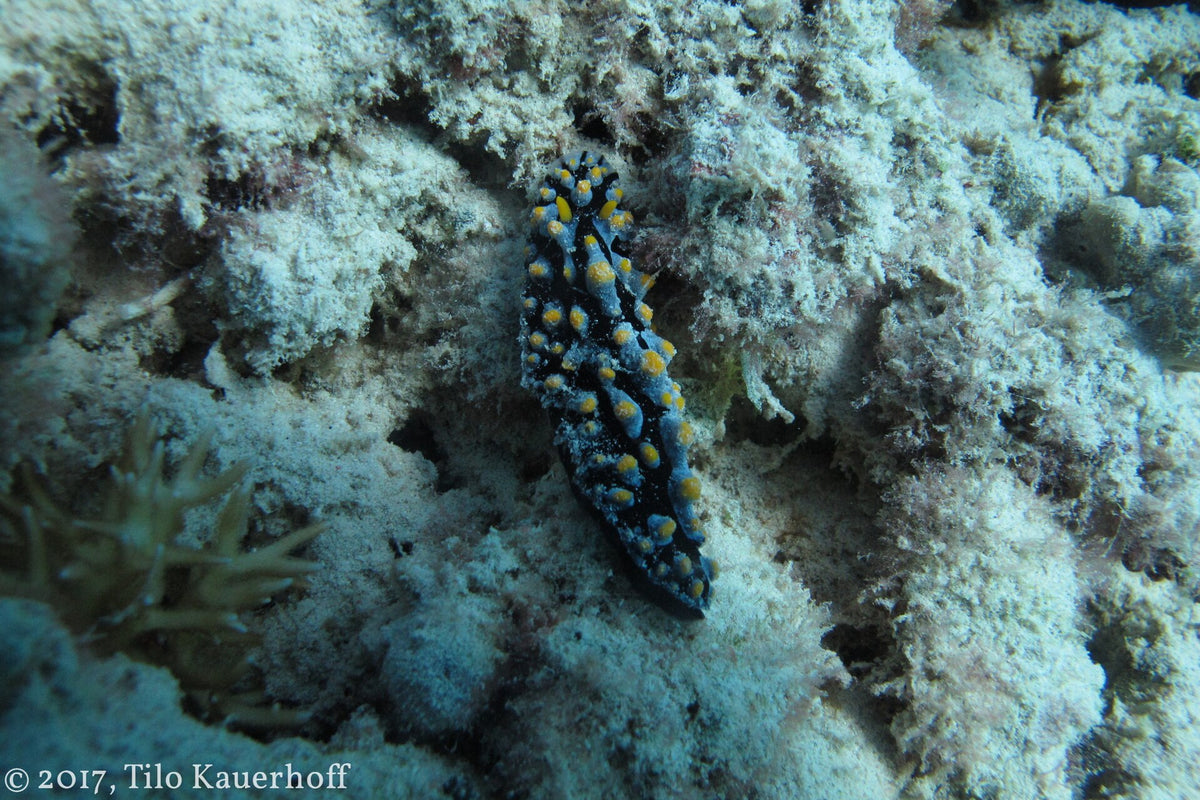
- Yellow-spotted nudibranch photographed at Gili Trawangan: Yellow Dots (220845675).jpeg — Tilonaut. CC BY 3.0. Web-size image supplied by Wikimedia Commons; no scene edits.
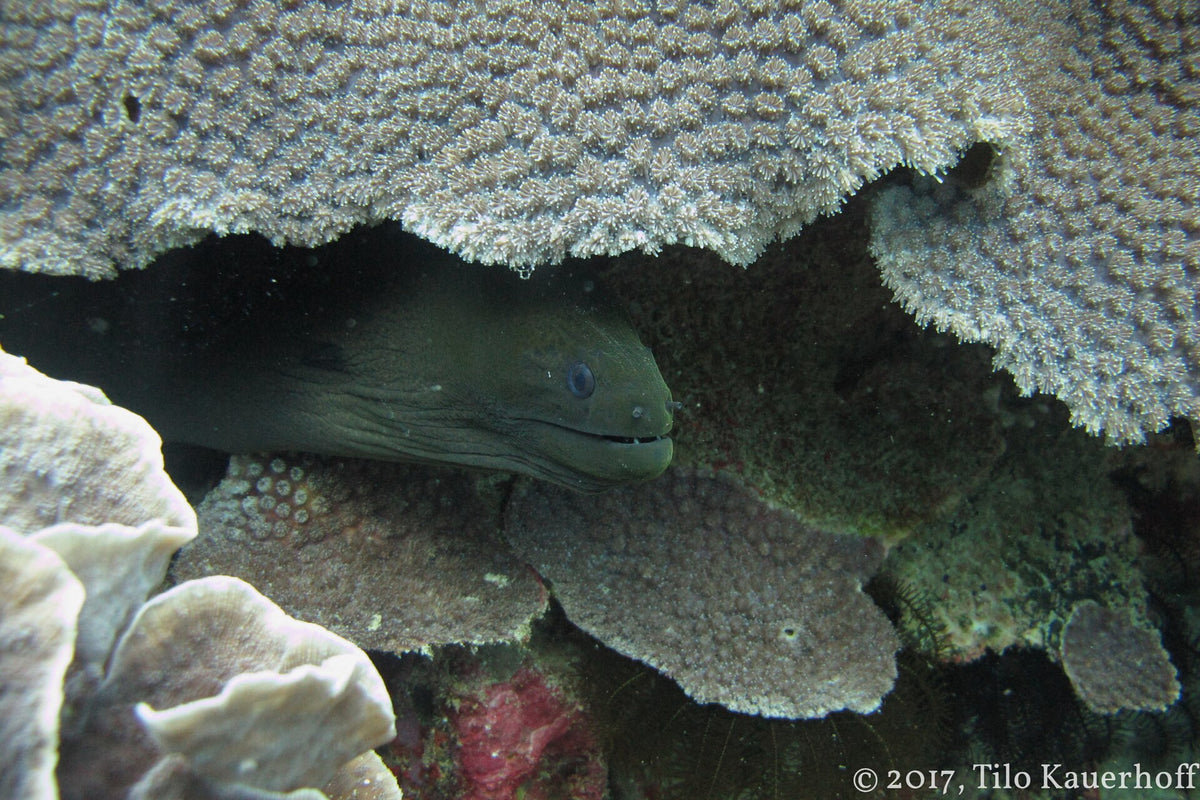
- Moray eel sheltering beneath coral at Gili Trawangan: Flowery Hideout (220789205).jpeg — Tilonaut. CC BY 3.0. Web-size image supplied by Wikimedia Commons; no scene edits.
- Feather star on a reef structure at Gili Trawangan: Clutter Of Arms (220789231).jpeg — Tilonaut. CC BY 3.0. Web-size image supplied by Wikimedia Commons; no scene edits.
- Young coral colonies growing on a reef structure at Gili Trawangan: Growing Hope (224430059).jpeg — Tilonaut. CC BY 3.0. Web-size image supplied by Wikimedia Commons; no scene edits.
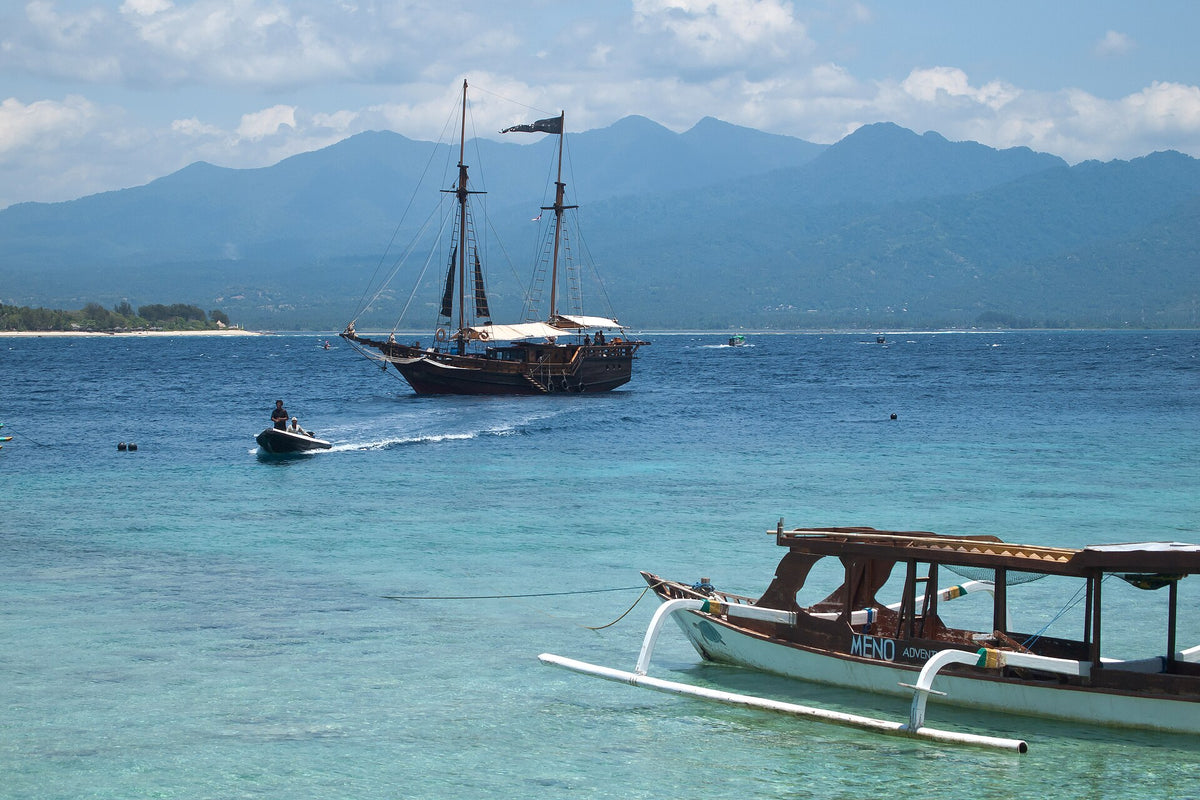
- Boats off Gili Meno with Lombok and Mount Rinjani in the distance: Lombok Island and Mount Rinjani from Gili Meno Island, Indonesia.jpg — Vyacheslav Argenberg. CC BY 4.0. Web-size image supplied by Wikimedia Commons; no scene edits.
- Gili Air seen across clear water from Gili Meno: Gili Air Island from Gili Meno Island, Indonesia.jpg — Vyacheslav Argenberg. CC BY 4.0. Web-size image supplied by Wikimedia Commons; no scene edits.
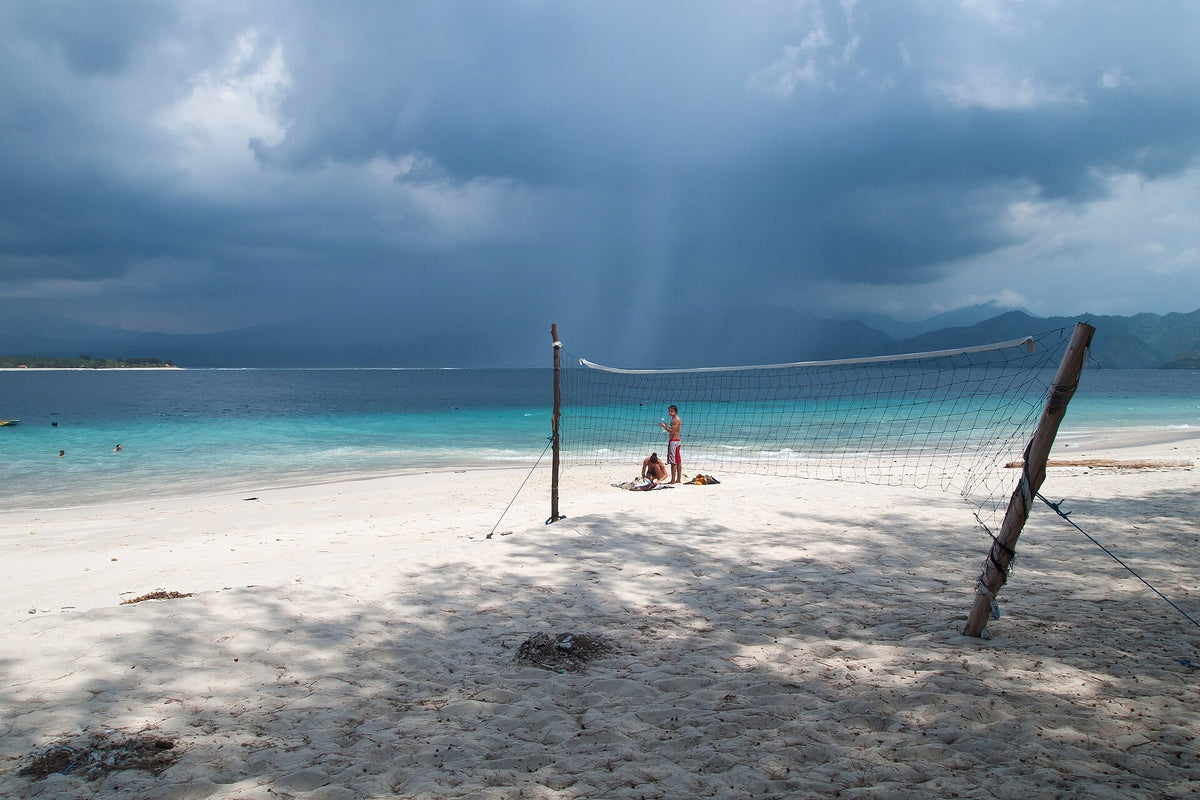
- White sand and tropical clouds at Gili Meno, Indonesia: Beach on the island, Tropical clouds, Gili Meno Island, Indonesia.jpg — Vyacheslav Argenberg. CC BY 4.0. Web-size image supplied by Wikimedia Commons; no scene edits.

.jpeg)
.jpeg)
.jpeg)
.jpeg)
.jpeg)
.jpeg)
.jpeg)
.jpeg)


