

Destination guide · Malaysia
Miri & Sarawak Diving
Miri opens a less familiar side of Borneo diving: reefs and wrecks reached from a coastal city, with Sarawak’s caves, food and cultural landscapes close enough to shape the wider journey.
Miri & Sarawak at a glance
Miri and Sarawak provide lesser-known reef, artificial-reef and wreck diving from an accessible coastal city. The sites are generally less crowded than Malaysia’s famous resort islands and can add genuine underwater variety to a broader Borneo journey.
The destination is strongest when diving is combined with Sarawak’s caves, national parks, food and cultural experiences. Conditions and operator schedules can be localised, so detailed advance coordination is more important than relying on a standard resort routine.
Planning your Miri & Sarawak stay
Choose a locally organised boat-diving programme and a city base that suits your land plans. Three to five dive days can work well within a longer Sarawak itinerary. Confirm that the diving days align with actual boat operations before filling the rest of the calendar.
When to dive Miri & Sarawak
March to November is the catalogue’s broad planning season. Offshore reefs remain sensitive to rain, wind and sea state, so build flexibility into a short stay. A strong land programme makes the destination rewarding when the sea changes the order of activities.
Planning window: Season March–November.
What the diving is like
Suitable for Open Water divers, with deeper wrecks reserved for experienced divers.
Uncrowded reefs
Miri-Sibuti Coral Reefs National Park protects a broad field of offshore patch reefs generally reached by short boat trips from Miri. Compared with Malaysia’s better-known island hubs, the area receives fewer international dive visitors and offers a quieter programme focused on coral gardens, reef fish and local day diving.
Wreck and artificial-reef sites
Miri adds several wreck and artificial-reef options to its natural coral sites, including the Kenyalang structure and historic wrecks farther offshore. These dives expand the destination beyond simple reef tourism and can suit both wide-angle photographers and divers interested in maritime history.
Accessible coastal diving
The main reefs lie offshore from a full-service city with an airport, hotels and restaurants, so Miri avoids the transfer complexity of a remote island resort. Boat conditions and visibility still depend on weather, but logistics on land are comparatively straightforward.
Sarawak culture
A Miri stay can be combined with Sarawak’s caves, rainforest, national parks and local culture rather than functioning only as a dive holiday. This is particularly useful for mixed groups or travellers extending a Borneo itinerary beyond the coast.
DIVE SITE GUIDE
Dive sites in Miri & Sarawak
Explore the character of individual sites, from the setting and marine life to the diving conditions. Open a card for the full description; site access and the final profile depend on conditions and experience.
ORIENTATION MAP
Where the dive sites are
Use the map to understand how the key sites are spread around the destination. Pins are for trip-planning orientation only; entry points, moorings and the final dive plan are always confirmed by the local operator on the day.
Coordinates are planning references compiled from current dive-site sources. They are not navigation coordinates; entry points, moorings, tide windows and the final dive plan are always confirmed by the local operator on the day.
Shallow reef · Soft coral
Eve’s Garden
Eve’s Garden is one of Miri’s closest and shallowest offshore reefs.
Explore this dive site
- Type
- Shallow reef · Soft coral
- Depth
- 7–12 m
- Experience
- Beginner
- Current
- Mild
Eve’s Garden is one of Miri’s closest and shallowest offshore reefs. Soft coral and reef fish fill a profile that generally sits between roughly 7 and 12 metres, making it ideal for newer divers, long photography dives and a first look at the Miri-Sibuti reef system.
Yellowtail fusiliers and angelfish are frequently associated with the site, while the modest depth keeps natural light strong. The site was affected by a grounding incident in 2026, so the local operator’s current assessment should determine which section is used. The map coordinate comes from published Reef Check survey data rather than a resort marketing map.
Look for: 7–12 m · Soft coral · Beginner friendly · Reef Check position
Best for: Soft coral · Reef fish · Easy photography
Shallow reef · Anemone field
Anemone Garden
Anemone Garden is one of Miri’s most visually distinctive shallow reefs.
Explore this dive site
- Type
- Shallow reef · Anemone field
- Depth
- 8–15 m
- Experience
- Beginner
- Current
- Mild
Anemone Garden is one of Miri’s most visually distinctive shallow reefs. Dense anemone habitat creates a concentrated zone of clownfish and small reef life, while the shallow depth lets divers move slowly and spend time on individual subjects.
The site is a strong macro and behavior dive rather than a big-pelagic destination, and the relatively simple profile makes it suitable for training or relaxed photography. Current is usually manageable, but the exact route follows the reef condition and visibility of the day. The published position is taken from a Reef Check survey point in the Miri reef complex.
Look for: Anemones · Clownfish · Shallow profile · Macro photography
Best for: Anemones · Clownfish · Macro · Easy reef
Patch reef · Coral garden
Siwa Reef
Siwa Reef is a broad patch reef within Miri-Sibuti National Park and works well as a classic reef dive.
Explore this dive site
- Type
- Patch reef · Coral garden
- Depth
- 7–25 m
- Experience
- Beginner–Intermediate
- Current
- Mild–Moderate
Siwa Reef is a broad patch reef within Miri-Sibuti National Park and works well as a classic reef dive. Coral structure extends through a comfortable recreational depth range, giving divers time to alternate between wide-angle reef scenes and smaller life close to the substrate.
The site is not dependent on one specific animal or current window, which makes it useful when the goal is simply to spend a full dive on healthy reef. The coordinate is derived from a published Reef Check monitoring station at Siwa, making it one of the better-grounded map points in the Miri batch.
Look for: Patch reef · Coral diversity · Mixed lens dive · Published survey position
Best for: Coral diversity · Reef fish · Photography
Patch reef · Coral
Sunday Reef
Sunday Reef is another Miri patch reef with a straightforward profile and low-pressure diving style.
Explore this dive site
- Type
- Patch reef · Coral
- Depth
- 7–25 m
- Experience
- Beginner–Intermediate
- Current
- Mild
Sunday Reef is another Miri patch reef with a straightforward profile and low-pressure diving style. The reef stays within ordinary recreational depth and is well suited to divers who want coral and fish life without a strong current or wreck environment.
Because the bottom remains visible, depth management is simple and the site works well for photographers who prefer to explore slowly. It is also useful as a second dive after a deeper site such as Santak Point or Tukau Drop-Off. The map position comes from a published Reef Check survey station rather than an inferred offshore point.
Look for: Relaxed patch reef · Mild current · Mixed-experience friendly · Published survey position
Best for: Relaxed reef · Coral · Reef fish
Deep slope · Pelagic
Santak Point
Santak Point is one of Miri’s deeper mainstream sites, beginning around the mid-twenties and continuing down a slope toward 40 metres.
Explore this dive site
- Type
- Deep slope · Pelagic
- Depth
- 24–40 m
- Experience
- Advanced
- Current
- Mild–Moderate
Santak Point is one of Miri’s deeper mainstream sites, beginning around the mid-twenties and continuing down a slope toward 40 metres. Tuna and barracuda are among the pelagics associated with the site, while snapper and angelfish occupy the reef itself.
The depth makes it an advanced profile even when current is only mild to moderate. A disciplined plan matters: divers should choose a maximum depth before descent and avoid following fish farther down the slope. The exact public GPS is not consistently published, so the map uses an operator-area anchor within the offshore Miri reef field.
Look for: 24–40 m · Pelagic potential · Advanced profile · Moderate current
Best for: Tuna · Barracuda · Deep reef
Wall · Drop-off · Pelagic
Tukau Drop-Off
Tukau Drop-Off is Miri’s most dramatic natural topography, where a coral plateau breaks into a wall that continues beyond recreational depth.
Explore this dive site
- Type
- Wall · Drop-off · Pelagic
- Depth
- 8–40+ m
- Experience
- Advanced
- Current
- Moderate–Strong
Tukau Drop-Off is Miri’s most dramatic natural topography, where a coral plateau breaks into a wall that continues beyond recreational depth. Current around the edge can concentrate larger fish and gives the site a more open-ocean feel than the patch reefs.
The wall makes depth deceptively easy to lose, so divers should keep a fixed maximum and use the reef as a visual reference rather than drifting into the blue. A well-planned dive starts deeper, then works gradually back toward the plateau for a safer and more colorful finish. The public sources describe the site clearly but do not provide a consistent mooring coordinate, so the map point is approximate.
Look for: Deep wall · Pelagic potential · Strong current possible · Advanced buoyancy
Best for: Wall · Pelagics · Deep blue-water scenery
Artificial reef · Wreck structure
Kenyalang Wreck
Kenyalang Wreck is an artificial-reef structure created from offshore oil-industry infrastructure, giving Miri a wreck-style dive without a wartime backstory.
Explore this dive site
- Type
- Artificial reef · Wreck structure
- Depth
- 15–30 m
- Experience
- Intermediate
- Current
- Mild–Moderate
Kenyalang Wreck is an artificial-reef structure created from offshore oil-industry infrastructure, giving Miri a wreck-style dive without a wartime backstory. Steel sections provide shelter and vertical structure on an otherwise open seabed, attracting snapper, batfish, scorpionfish and other reef life.
The site is compact enough to explore in a single dive and is especially photogenic because the industrial geometry contrasts sharply with fish and coral growth. Penetration is not necessary for a rewarding dive. The exact public coordinate is not consistently available, so the map uses an operator-area position rather than a falsely precise point.
Look for: Rig-to-reef · Artificial structure · Schooling fish · Photography
Best for: Rig-to-reef · Schooling fish · Wreck photography
Pinnacle / reef point · Pelagic
Barracuda Point
Barracuda Point is one of Miri’s larger-fish sites, built around a reef outcrop that rises from deeper water toward the upper single digits.
Explore this dive site
- Type
- Pinnacle / reef point · Pelagic
- Depth
- 8–35 m
- Experience
- Intermediate
- Current
- Moderate
Barracuda Point is one of Miri’s larger-fish sites, built around a reef outcrop that rises from deeper water toward the upper single digits. The structure creates upwelling and concentrates food, which in turn can attract barracuda, tuna, jacks and other pelagics.
Divers can stay shallower if conditions or certification require it, while more experienced groups explore the deeper edge. Current is part of what makes the site productive, but a controlled route around the reef is preferable to holding in open water. Public coordinates are inconsistent across sources, so the map marker is intentionally approximate.
Look for: Barracuda potential · Reef outcrop · Pelagic action · 8–35 m
Best for: Barracuda · Pelagic fish · Reef outcrop
Underwater photography
At Eve’s Garden, soft coral, Reef fish, Easy photography give an idea of the photographic possibilities. Choose the camera setup for the planned sites, then leave time to observe the scene before making the image. Repeating a productive dive often creates better opportunities than constantly searching for a different location. For reef scenes, use the shape of the reef and the available light to give the image depth. A diver at a respectful distance can provide scale without crowding an animal.
Beyond diving: Miri & Sarawak above the surface
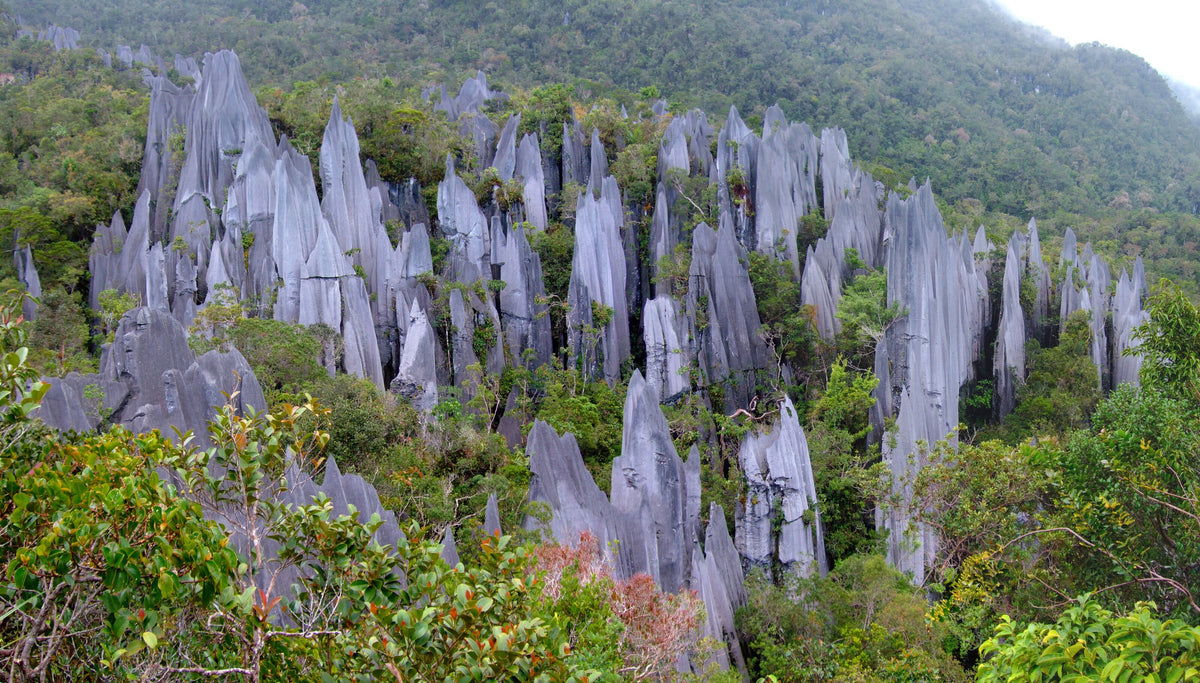
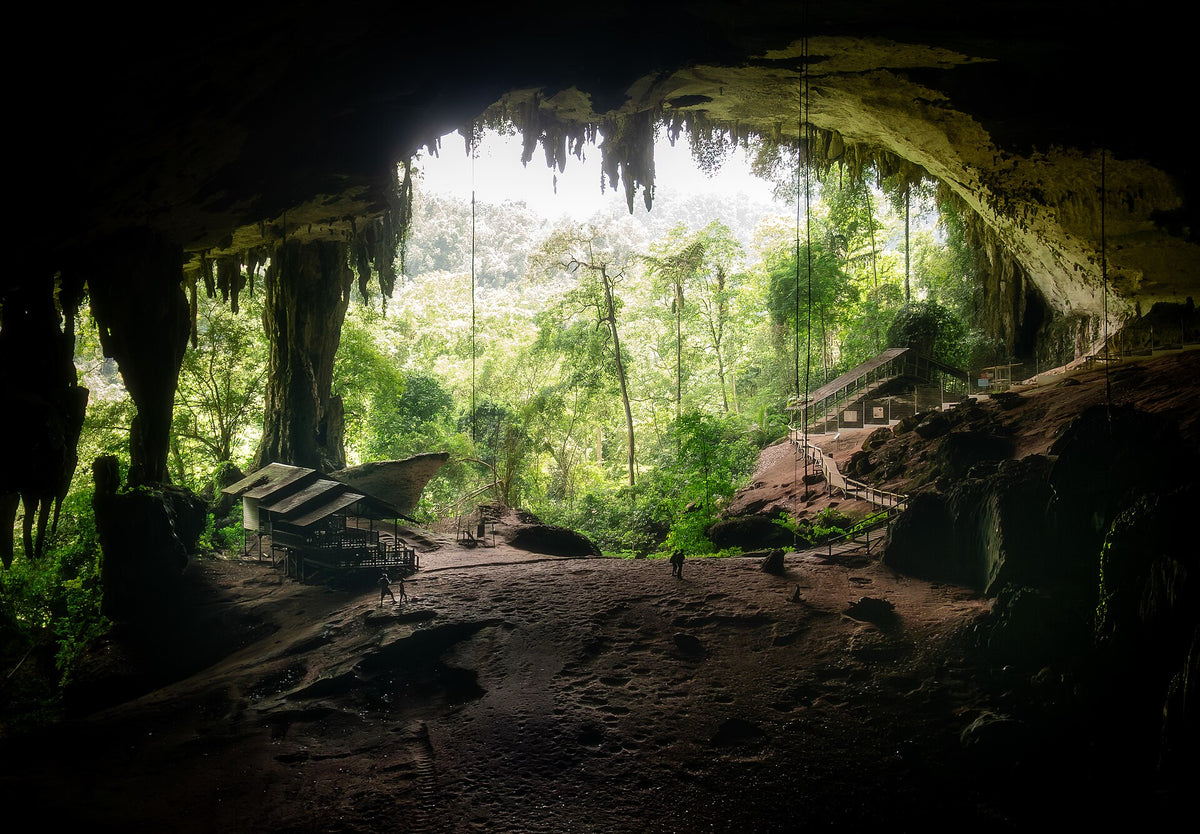
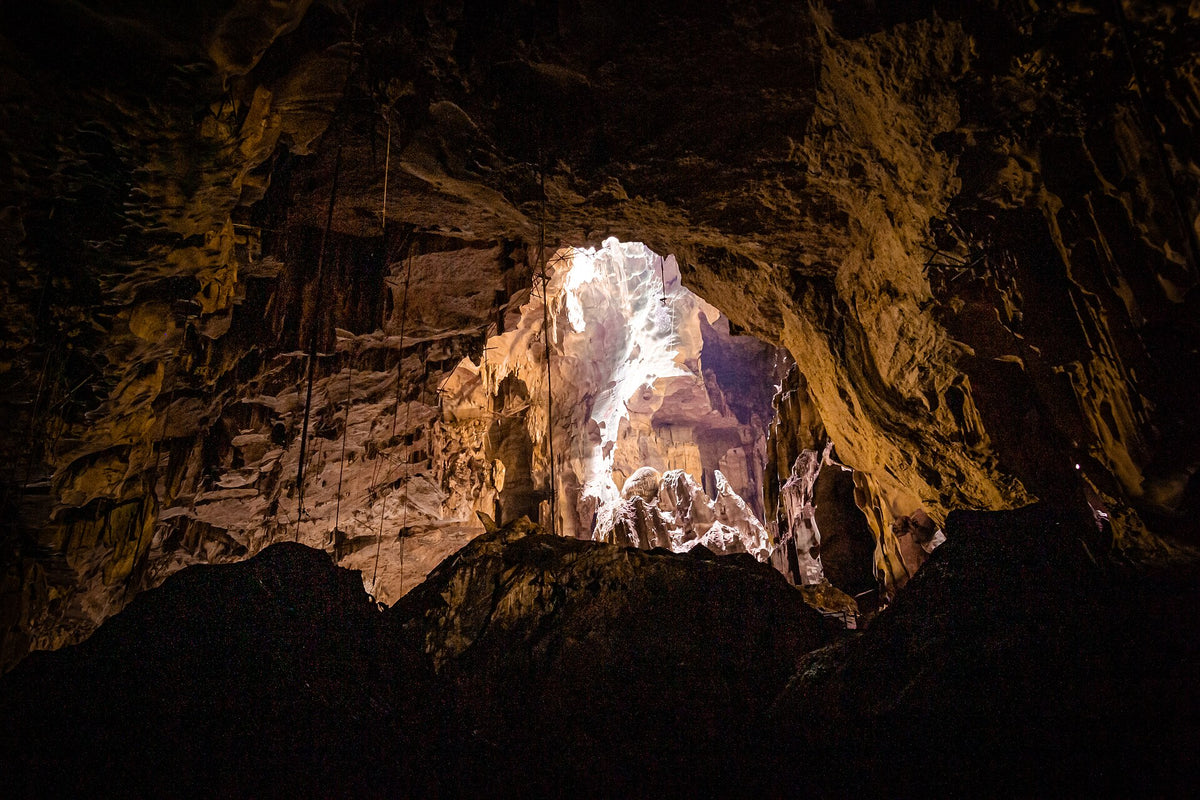
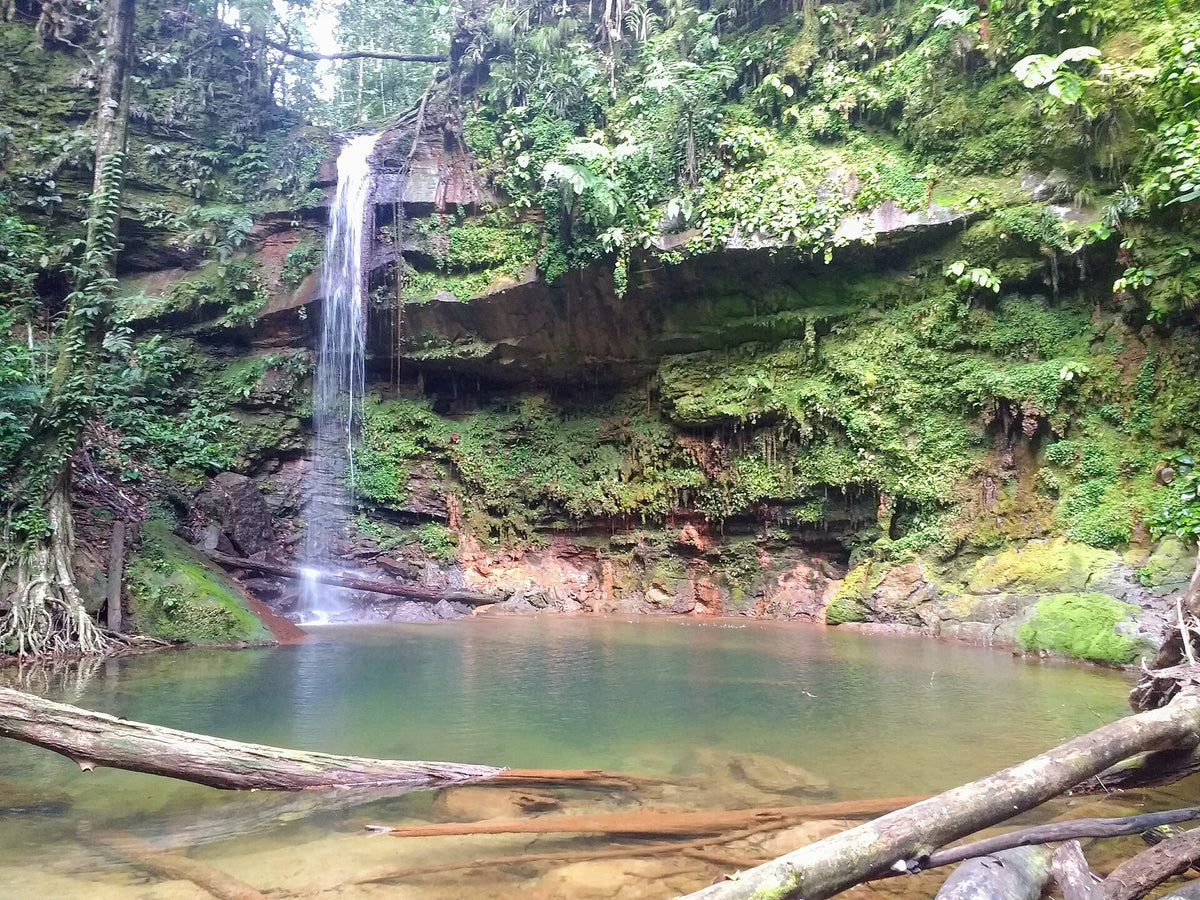
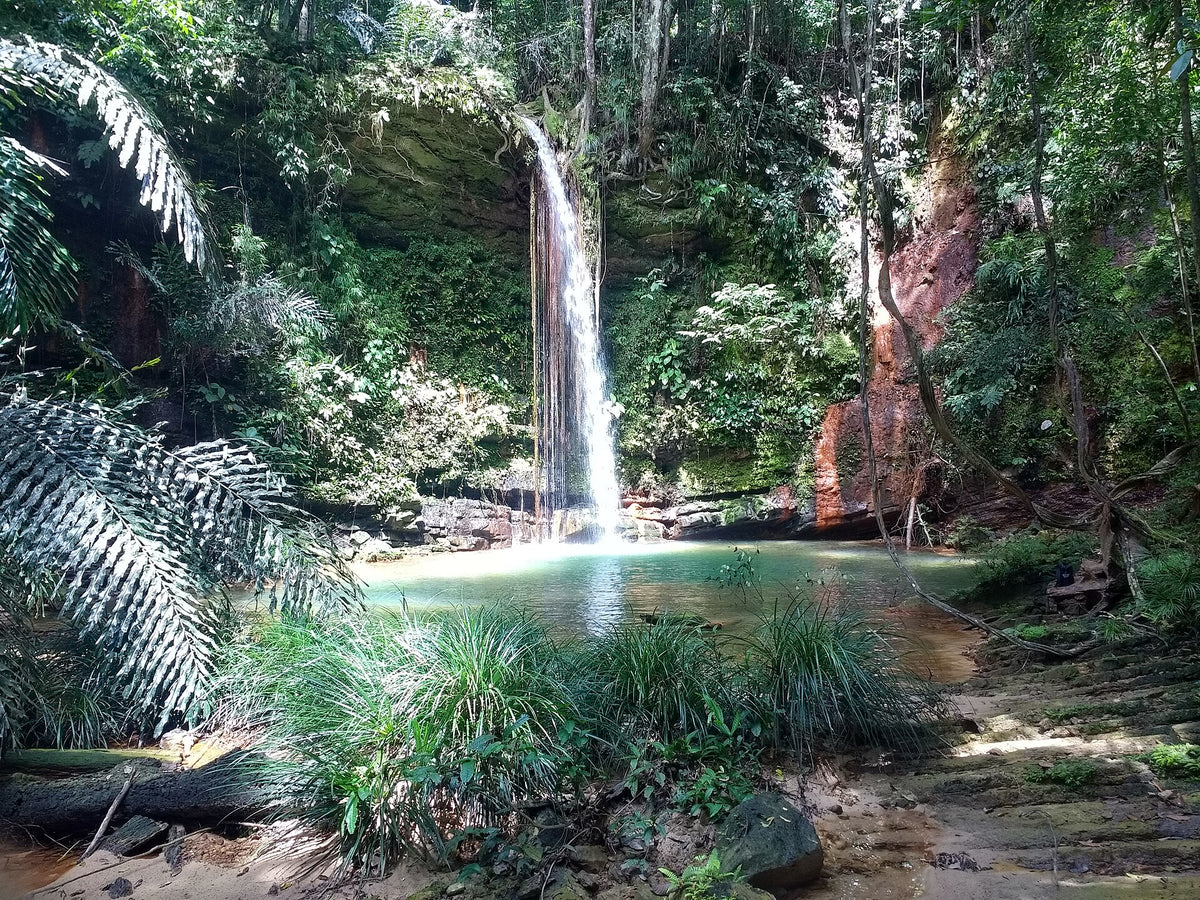
Niah’s caves and heritage, local food and national-park excursions give a Miri trip a strong land component. Set aside proper days for them, especially when an outing involves walking or a substantial road journey.
A city base adds dining choice and convenient services between dives. This makes Miri useful for travellers who want to combine underwater exploration with Sarawak, rather than spend every day in an isolated island resort.
Getting to Miri & Sarawak
Fly to Miri and use local road and boat transfers.
Choose arrival and departure times around the onward transfer, especially when a boat crossing or a long road journey is involved. Leave space for a relaxed final day ashore and an appropriate interval between the last dive and flying.
Miri & Sarawak diving questions
What makes Miri & Sarawak worth a diving trip?
Miri opens a less familiar side of Borneo diving: reefs and wrecks reached from a coastal city, with Sarawak’s caves, food and cultural landscapes close enough to shape the wider journey.
How should I plan my stay?
Choose a locally organised boat-diving programme and a city base that suits your land plans. Three to five dive days can work well within a longer Sarawak itinerary. Confirm that the diving days align with actual boat operations before filling the rest of the calendar.
When is a useful time to visit?
March to November is the catalogue’s broad planning season. Offshore reefs remain sensitive to rain, wind and sea state, so build flexibility into a short stay. A strong land programme makes the destination rewarding when the sea changes the order of activities.
Is there enough for non-diving companions?
Niah’s caves and heritage, local food and national-park excursions give a Miri trip a strong land component. Set aside proper days for them, especially when an outing involves walking or a substantial road journey.
A closer look at Miri & Sarawak

Plan your Miri & Sarawak trip
Tell us the experiences you most want, your preferred dates and how you like to travel. We can bring the destination, accommodation and diving into one coherent itinerary.
Plan my tripPhoto credits
Images are resized for display and may be cropped to fit the page layout.
- Trees framing the coast at Tusan Beach near Miri, Sarawak: Tusan Beach.jpg — Joan0925k. CC BY-SA 4.0. Web-size image supplied by Wikimedia Commons; no scene edits.
- Fishing and sunset on the coast at Tanjung Lobang, Miri: Beach Breeze, Sunset and fishing.jpg — Clayborneoguy. CC BY-SA 4.0. Web-size image supplied by Wikimedia Commons; no scene edits.
- Rainforest seen through the entrance of the Great Cave at Niah, Sarawak: The Great Cave of Niah.jpg — Nur Nafis Naim. CC BY-SA 4.0. Web-size image supplied by Wikimedia Commons; no scene edits.
- Sunlight entering a cavern at Niah National Park, Sarawak: Niah Cave.jpg — Clayborneoguy. CC BY-SA 4.0. Web-size image supplied by Wikimedia Commons; no scene edits.
- Pantu waterfall in Lambir Hills National Park near Miri: Lambir Hills National Park - Pantu Waterfall.jpg — Mx. Granger. CC0. Web-size image supplied by Wikimedia Commons; no scene edits.
- Dinding waterfall and rainforest in Lambir Hills National Park: Lambir Hills National Park - Dinding Waterfall 1.jpg — Mx. Granger. CC0. Web-size image supplied by Wikimedia Commons; no scene edits.


