

Destination guide · Papua New Guinea
Tufi Diving
Tufi shifts between two worlds: sheltered coastal inlets with small subjects and offshore reefs surrounded by blue water. The deeply indented landscape and local communities make the setting as distinctive as the diving.
Tufi at a glance
Tufi combines offshore coral reefs with sheltered fjord-like inlets, macro habitats and distinctive cultural experiences. This unusual geography allows a programme to move between blue-water diving and quieter coastal environments.
Remote logistics are part of the journey, and the strongest stays allow time for both diving and local community visits. Offshore conditions suit experienced divers, while the fjords, landscapes and cultural programme make Tufi one of Papua New Guinea’s strongest choices for mixed-interest travellers.
Planning your Tufi stay
Use the lodge as a base for a varied combination of offshore reefs and sheltered coastal dives. Six to eight nights helps balance sea conditions, local visits and remote flights. Specialist wrecks or deeper sites require their own planning and should not define a general recreational trip.

Tufi Resort
A remote fjord-side PNG resort offering offshore reefs, sheltered macro diving and strong cultural and nature experiences.
When to dive Tufi
October to May is the existing main planning window for offshore access. The inlets and house-reef environment provide a different style of diving when exposed reefs are less suitable. Build the programme around that variety and leave buffers around domestic flights.
Planning window: Best October–May.
What the diving is like
Open Water divers can use sheltered sites; offshore reefs suit experienced divers.
Offshore reefs
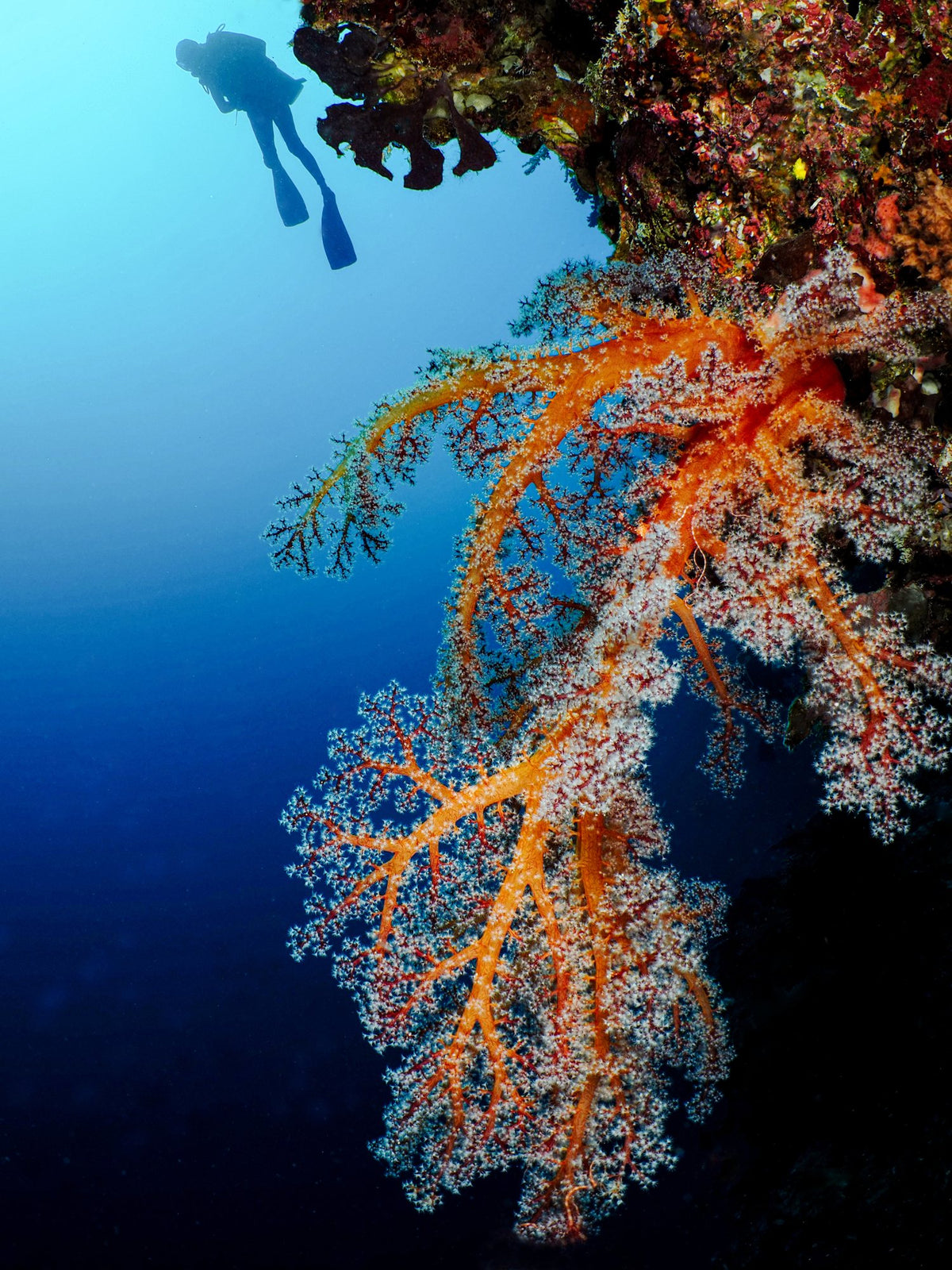
Tufi’s offshore reefs and bommies rise from deep water outside the sheltered fjord system. When conditions allow the boats to reach them, clear blue water, coral walls, schooling barracuda and reef fish can be joined by reef sharks, rays and other pelagics, giving a very different experience from the inshore macro sites.
Fjord diving
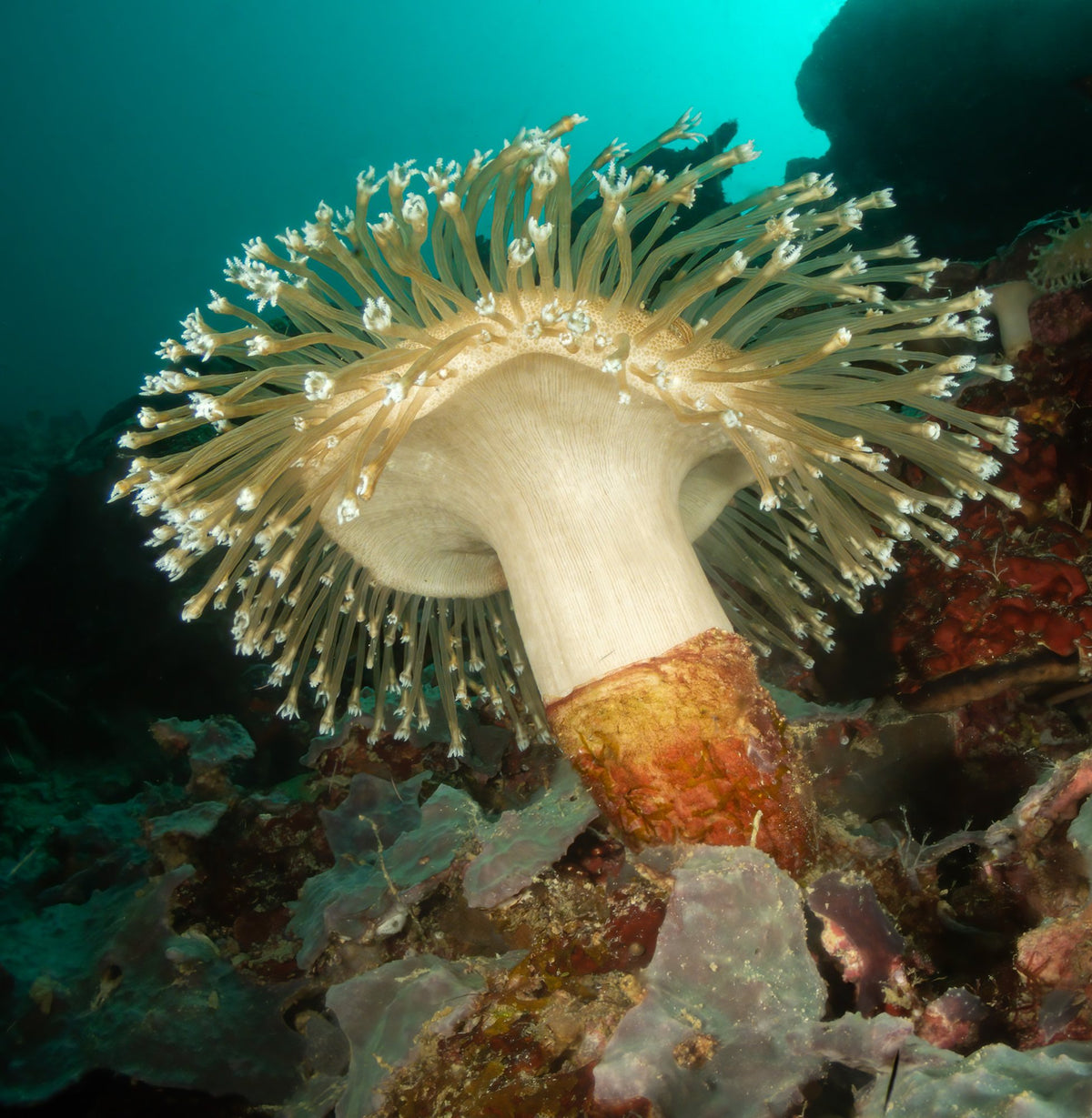
The drowned volcanic valleys around Tufi provide sheltered diving close to rainforest-covered walls. These inner sites trade open-ocean visibility for a slower search through silty and mixed substrate, and are particularly valuable when wind makes the outer reefs less comfortable.
Macro subjects
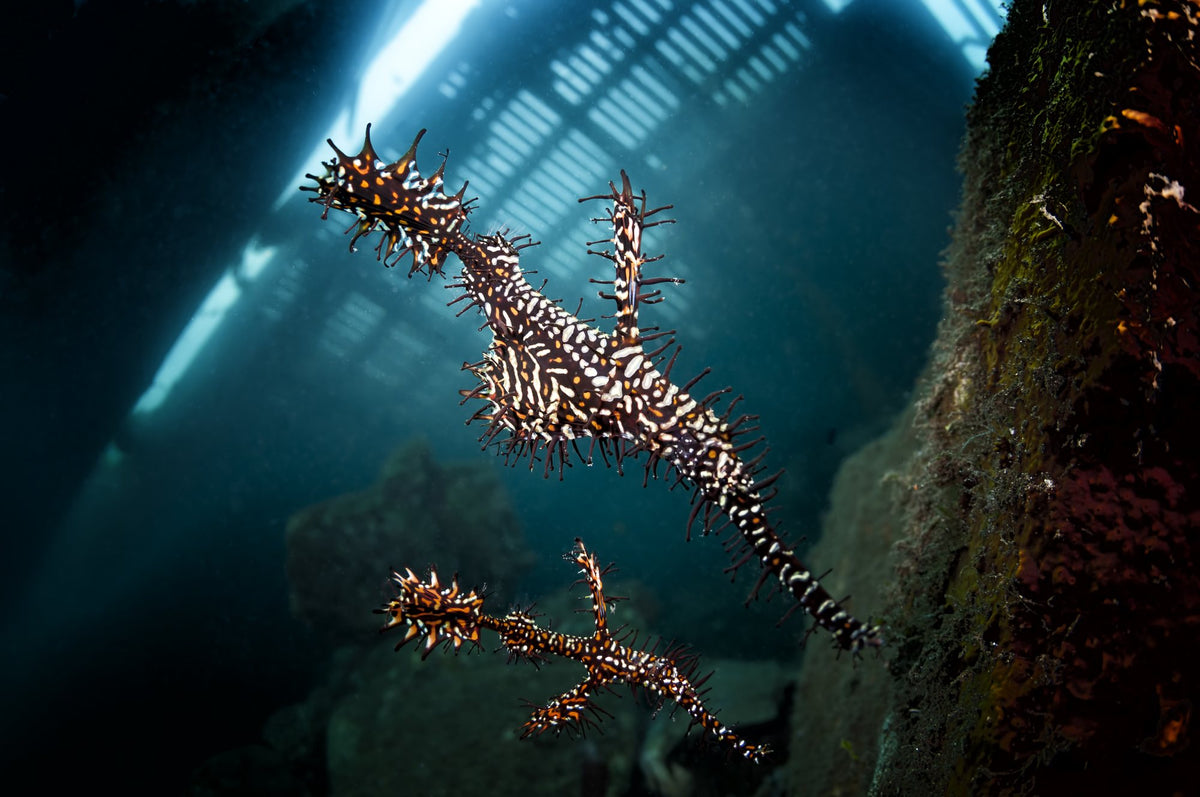
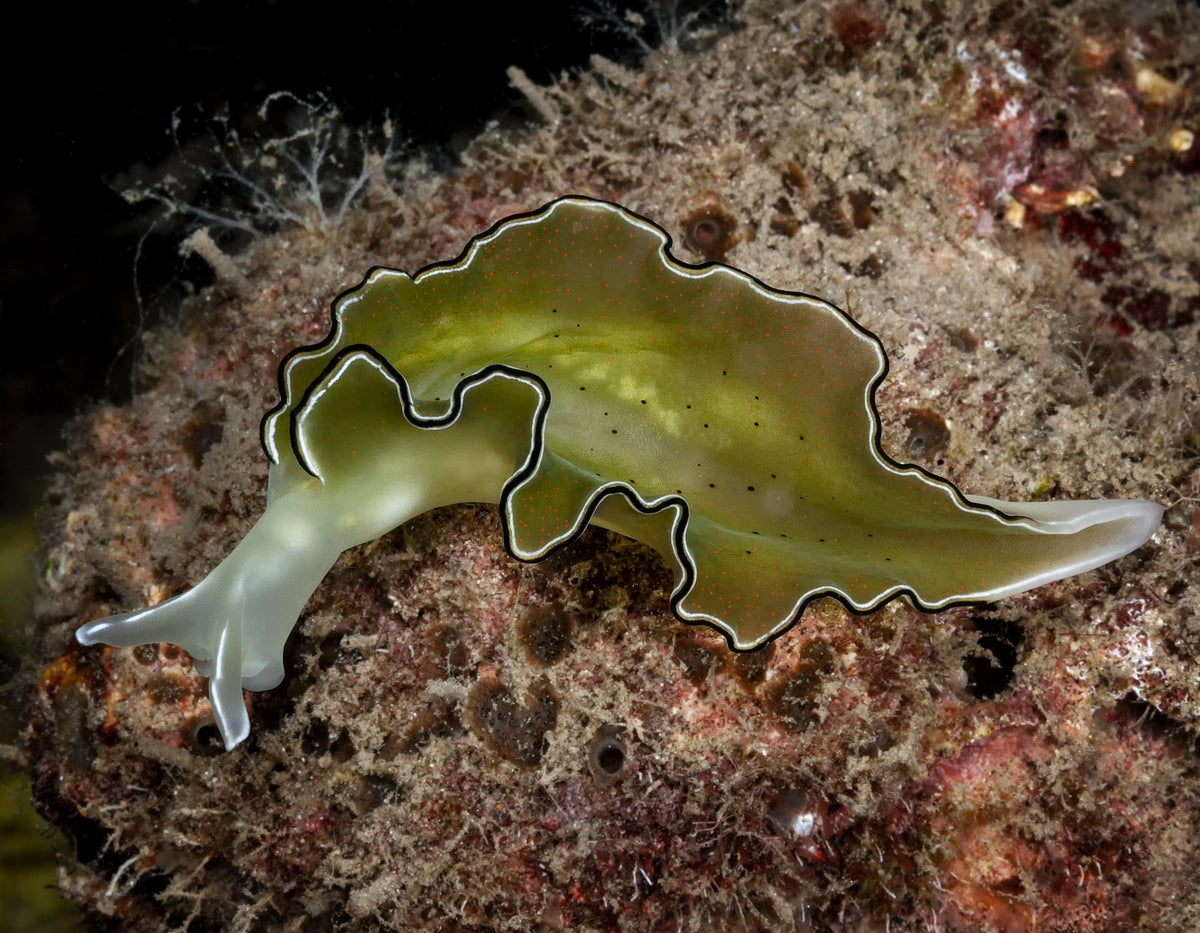
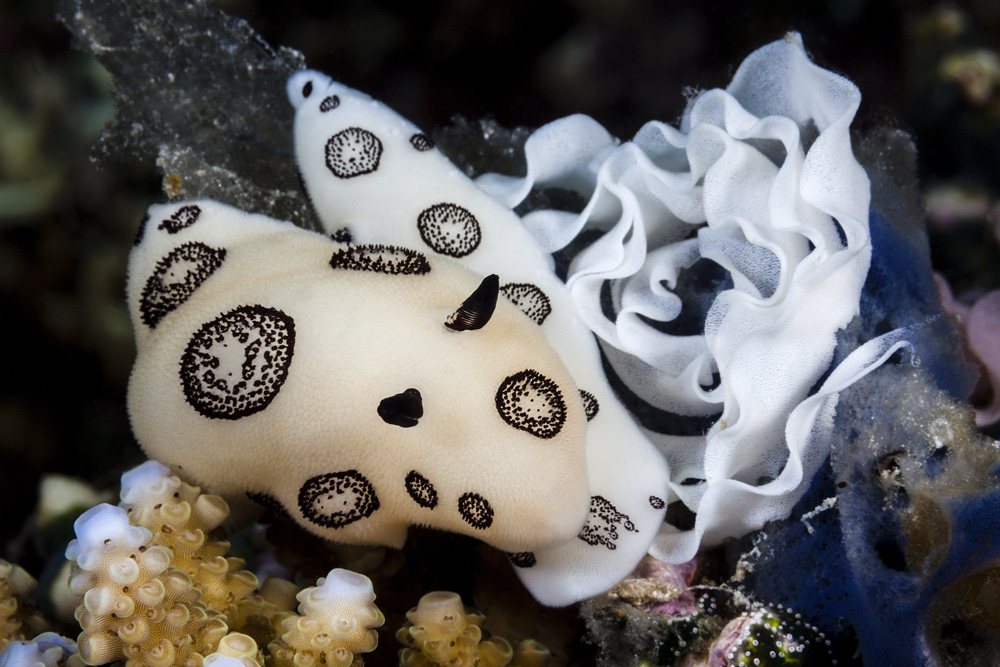
Tufi’s fjords and wharf area support classic muck and macro hunting, including nudibranchs, gobies, shrimp, pipefish, frogfish and other small subjects. Dusk and night dives can be especially productive, so photographers benefit from reserving time for inshore dives rather than using every day only for the outer reefs.
Cultural immersion
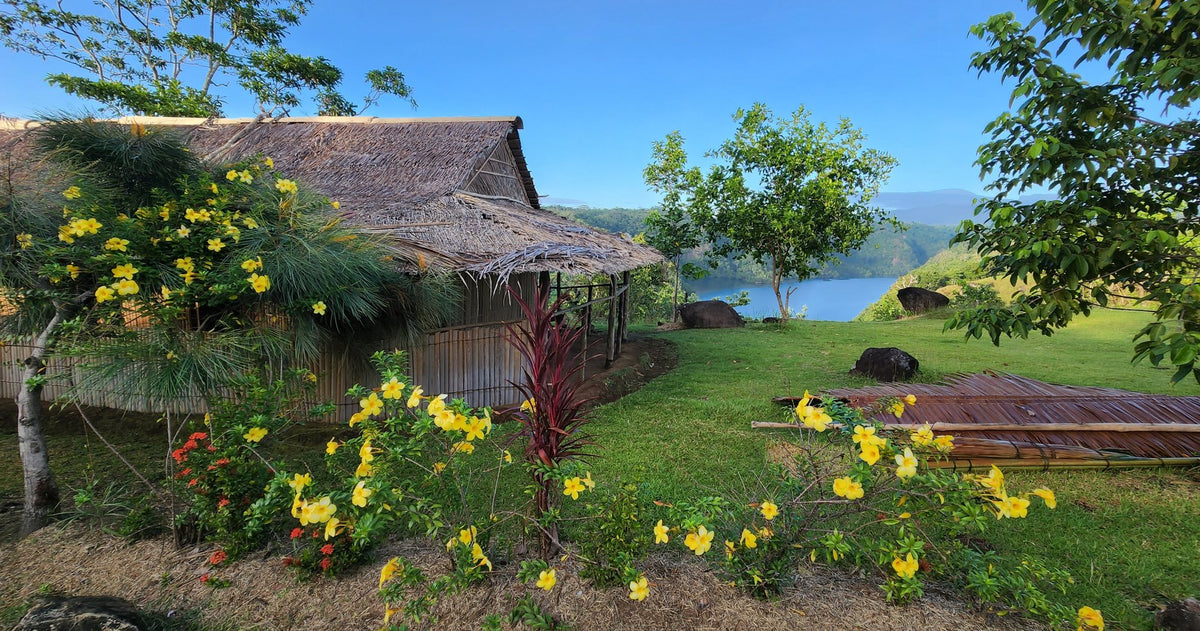
Tufi is also one of Papua New Guinea’s strongest destinations for combining diving with local culture and landscape. Village visits, traditional canoe experiences, hiking and fjord exploration can be built around the dive programme, making it suitable for travellers who want more than an isolated resort-and-reef holiday.
DIVE SITE GUIDE
Dive sites in Tufi
Explore the character of individual sites, from the setting and marine life to the diving conditions. Open a card for the full description; site access and the final profile depend on conditions and experience.
ORIENTATION MAP
Where the dive sites are
Use the map to understand how the key sites are spread around the destination. Pins are for trip-planning orientation only; entry points, moorings and the final dive plan are always confirmed by the local operator on the day.
Coordinates are planning references only. Several offshore Tufi reef pins represent operator reef areas rather than public mooring GPS. They are not navigation coordinates; the exact entry, mooring and current plan are always set by the local operator.
Wharf · Muck · Macro · Night
Tufi Wharf / House Reef
Tufi Wharf is the destination’s easiest dive and one of its most productive macro sites.
Explore this dive site
- Type
- Wharf · Muck · Macro · Night
- Depth
- 2–15 m
- Experience
- Beginner–Intermediate
- Current
- Usually mild
Tufi Wharf is the destination’s easiest dive and one of its most productive macro sites. Around the wharf and fjord slope, sand, rubble and artificial debris create habitat for gobies, nudibranchs, crustaceans, pipefish and other small animals.
Mandarinfish can be a highlight around dusk, while night diving reveals a different set of nocturnal subjects. The depth is modest and water is generally sheltered, but fine substrate makes good fin technique important if photographers want to preserve visibility. The site is especially useful on arrival days or after a deeper offshore dive because it requires almost no travel and can still deliver an hour of genuine critter hunting rather than functioning merely as a check dive.
Look for: Wharf macro · Mandarinfish potential · Night dive · Sheltered water
Best for: Mandarinfish · Nudibranchs · Night diving · Macro
WWII wrecks · Deep fjord
PT Boat Wrecks
The PT Boat wrecks in Tufi Fjord offer a very different historical dive from the shallow wharf.
Explore this dive site
- Type
- WWII wrecks · Deep fjord
- Depth
- 30–45 m
- Experience
- Advanced / Deep
- Current
- Usually mild
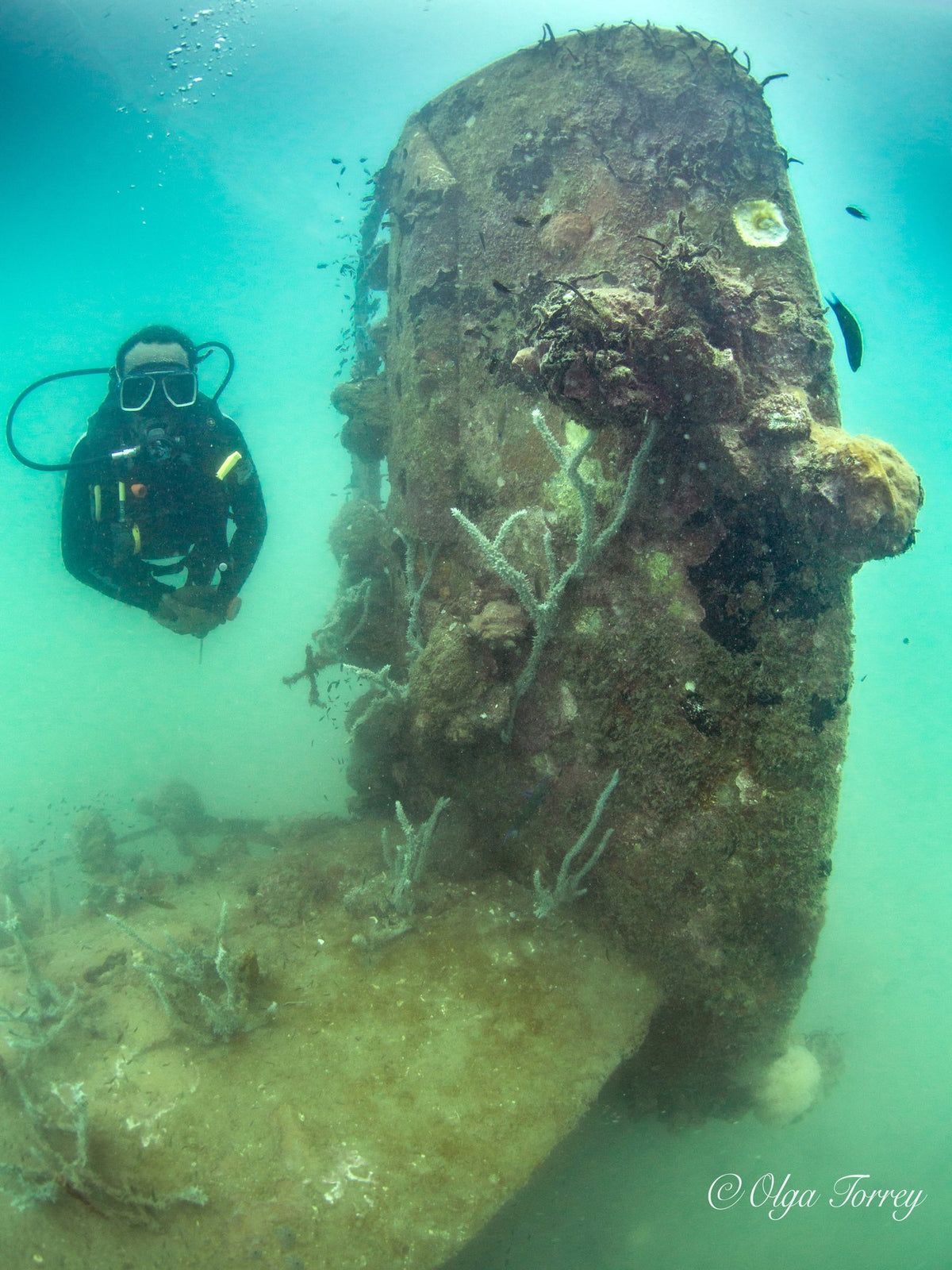
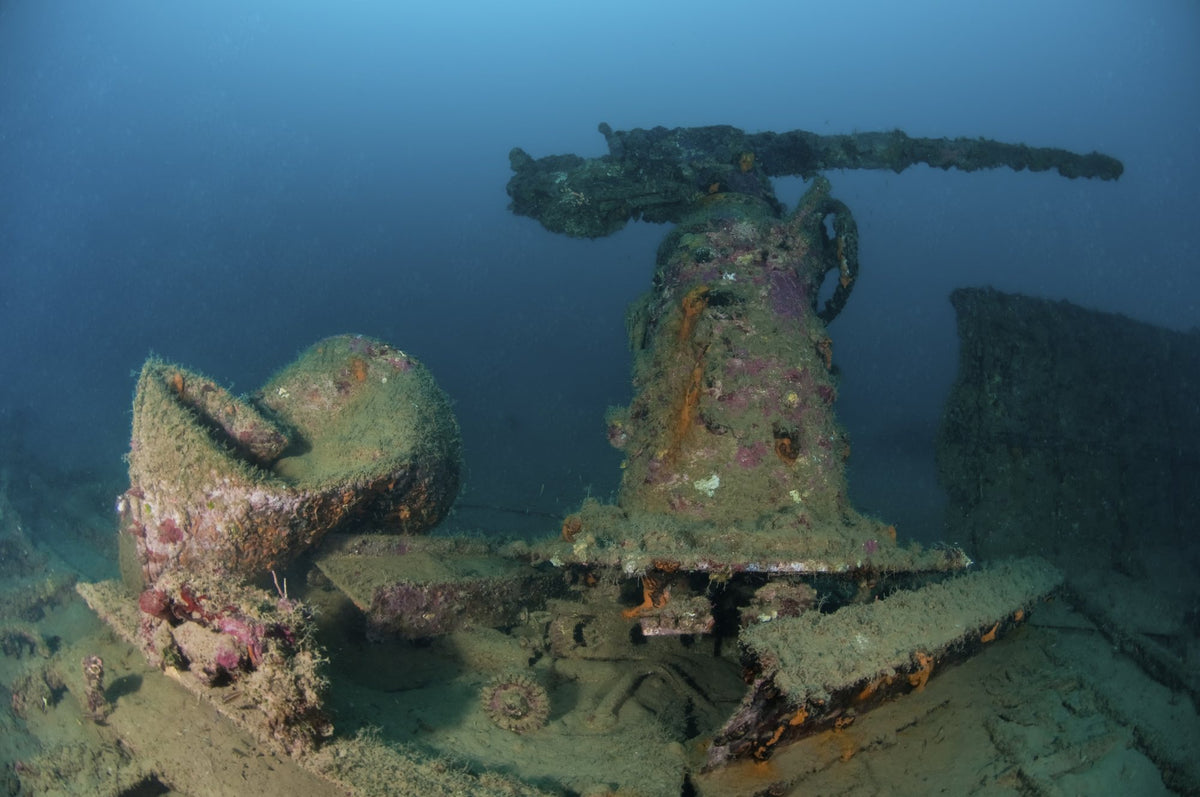
The PT Boat wrecks in Tufi Fjord offer a very different historical dive from the shallow wharf. The remains lie significantly deeper, with parts of the site reaching into the 30–45 metre range, so the dive is appropriate only for experienced divers with the certification and gas plan to manage the profile.
Visibility inside the fjord can differ from the outer reefs, but the sheltered location often reduces current and allows divers to concentrate on the wartime structure. Penetration should never be treated as automatic; exterior exploration provides the history without adding unnecessary overhead risk. Because of depth, the operator’s surface-interval and decompression guidance should be followed conservatively.
Look for: WWII wrecks · 30–45 m · Deep-diving skills · Sheltered fjord
Best for: WWII history · Deep wrecks · Photography
Offshore reef · Wall · Coral
Cyclone Reef
Cyclone Reef is one of Tufi’s best-known offshore reef systems and actually supports several distinct dive profiles.
Explore this dive site
- Type
- Offshore reef · Wall · Coral
- Depth
- 7–40+ m
- Experience
- Intermediate–Advanced
- Current
- Variable
Cyclone Reef is one of Tufi’s best-known offshore reef systems and actually supports several distinct dive profiles. Walls begin in the shallows and fall well beyond recreational depth, with hard and soft coral, anemones, gorgonians and schooling fish creating the dependable part of the experience.
Reef sharks and turtles are possible, while the lee side of the reef can provide calmer water and a gentler finish when wind or current increase. The site works best as a multilevel dive, using the deeper wall early and returning to coral-rich shallows for the second half. The exact mooring is not published publicly; the map pin is only an orientation anchor for the Cyclone reef area.
Look for: Offshore wall · Coral diversity · Sharks & turtles possible · Multiple dive profiles
Best for: Walls · Coral · Sharks / turtles possible · Wide angle
Offshore reef · Coral · Pelagic
Stewart Reef
Stewart Reef is one of the closer offshore reefs from Tufi and offers a broad coral profile rather than a single dramatic landmark.
Explore this dive site
- Type
- Offshore reef · Coral · Pelagic
- Depth
- 8–35 m
- Experience
- Intermediate–Advanced
- Current
- Variable
Stewart Reef is one of the closer offshore reefs from Tufi and offers a broad coral profile rather than a single dramatic landmark. Hard and soft coral support schooling reef fish, while Spanish mackerel, barracuda and trevally are among the larger visitors associated with the area. The reef can also be dived after dark, when the focus shifts from open-water fish to nocturnal reef life.
Depth is flexible enough for intermediate divers, but current and sea state determine which section the operator uses. The strength of Stewart is consistency: even without a pelagic encounter, the coral and fish density make it a worthwhile reef dive. The pin shown is a general reef-area anchor, not a mooring coordinate.
Look for: Offshore coral reef · Barracuda / trevally possible · Night-dive option · Flexible depth
Best for: Hard & soft coral · Barracuda · Trevally · Night diving
Wall · Current · Pelagic
Mulloway Reef
Mulloway Reef is one of the more advanced Tufi profiles, with a wall falling into very deep water and current bringing the possibility of larger pelagics along the edge.
Explore this dive site
- Type
- Wall · Current · Pelagic
- Depth
- 10–40+ m
- Experience
- Advanced
- Current
- Strong possible
Mulloway Reef is one of the more advanced Tufi profiles, with a wall falling into very deep water and current bringing the possibility of larger pelagics along the edge. Hammerheads, reef sharks and rays are associated with the broader site, but any encounter is opportunistic and should not be promised.
The combination of current and drop-off means divers need strong depth control and should remain close to the guide rather than drifting into open water after a sighting. A conservative profile still delivers the scale of the wall and healthy reef without chasing depth. The exact operator mooring is not public, so the map position should be read only as an orientation point for the Mulloway reef sector.
Look for: Deep wall · Strong current possible · Hammerheads possible · Advanced only
Best for: Hammerhead potential · Reef sharks · Rays · Deep wall
Reef point · Current · Pelagic
Shark Tip
Shark Tip is a current-facing reef point where divers watch both the reef and the blue.
Explore this dive site
- Type
- Reef point · Current · Pelagic
- Depth
- 10–35 m
- Experience
- Advanced
- Current
- Moderate–Strong
Shark Tip is a current-facing reef point where divers watch both the reef and the blue. Whitetip, blacktip and other reef sharks are possible, with larger pelagic species occasionally using the deeper edge, while colorful coral and nudibranchs keep the dive productive even when sharks remain farther away.
The site is best suited to experienced divers because water movement and open-water exposure can change quickly. A good dive does not chase sharks; the group holds a stable position near the reef and lets animals choose their distance. The map pin is intentionally approximate to the operator reef area because the exact entry and mooring depend on tide, wind and Tufi Resort’s daily site plan.
Look for: Shark potential · Current-facing point · Coral · Advanced profile
Best for: Reef sharks · Silvertips possible · Coral · Macro
Offshore reef · Wall · Coral
Veale Reef
Veale Reef is an offshore reef system east of the Tufi coast where open-ocean conditions create a more exposed dive than the sheltered fjord sites.
Explore this dive site
- Type
- Offshore reef · Wall · Coral
- Depth
- 8–40 m
- Experience
- Advanced
- Current
- Variable
Veale Reef is an offshore reef system east of the Tufi coast where open-ocean conditions create a more exposed dive than the sheltered fjord sites. Coral and wall sections provide wide-angle scenery, while current can increase fish activity around the outer edge.
The reef’s charted geographic position is public, but that should not be confused with a dive mooring: the operator selects the actual entry based on wind, current and the group’s experience. Depth can extend far beyond recreational limits, so divers should treat the wall as a visual boundary rather than a reason to descend. Veale is best for experienced divers who want the scale and clarity of Tufi’s outer reefs.
Look for: Outer reef · Wall · Current-sensitive · Wide-angle scenery
Best for: Outer reef · Coral · Wide angle · Current diving
Aircraft wreck · Deep blue water
Black Jack B-17
Black Jack is one of Papua New Guinea’s most celebrated aircraft wrecks, a B-17 bomber resting at roughly 45 metres.
Explore this dive site
- Type
- Aircraft wreck · Deep blue water
- Depth
- 45 m
- Experience
- Advanced / Deep
- Current
- Usually mild
Black Jack is one of Papua New Guinea’s most celebrated aircraft wrecks, a B-17 bomber resting at roughly 45 metres. The aircraft is remarkably recognizable, with wings, engines and fuselage creating an extraordinary photographic subject in blue water. The depth makes this an experienced-diver profile with a short working window and the potential for mandatory decompression depending on the plan.
Tufi operators apply conservative procedures, including significant surface intervals, because the wreck is not a casual recreational dive. Penetration is unnecessary to appreciate the aircraft and should never exceed training. For properly qualified divers, Black Jack combines WWII history, preservation and deep-water atmosphere in a way few aircraft wrecks can match.
Look for: B-17 bomber · ~45 m · Advanced/deep planning · WWII history
Best for: WWII aircraft · Deep wreck · Photography
Underwater photography
At Tufi Wharf / House Reef, mandarinfish, Nudibranchs, Night diving, Macro give an idea of the photographic possibilities. Choose the camera setup for the planned sites, then leave time to observe the scene before making the image. Repeating a productive dive often creates better opportunities than constantly searching for a different location. On close-focus dives, stay clear of the bottom and allow subjects to behave naturally. A clean background and patient framing can be more effective than moving closer.
Beyond diving: Tufi above the surface
Boat journeys through the inlets, village visits and guided walks reveal Tufi’s coast from above the surface. Cultural activities are strongest when they are locally led and give visitors time to listen and understand the place.
A mixed-interest group can divide its time between reef trips, coastal exploring and relaxed lodge days. Tufi is remote, so the quality of the overall lodge programme matters. It is worth allowing enough nights for the land experience to have its own space.
Getting to Tufi
Fly domestically to Tufi and use lodge-arranged transfers.
Choose arrival and departure times around the onward transfer, especially when a boat crossing or a long road journey is involved. Leave space for a relaxed final day ashore and an appropriate interval between the last dive and flying.
Tufi diving questions
What makes Tufi worth a diving trip?
Tufi shifts between two worlds: sheltered coastal inlets with small subjects and offshore reefs surrounded by blue water. The deeply indented landscape and local communities make the setting as distinctive as the diving.
How should I plan my stay?
Use the lodge as a base for a varied combination of offshore reefs and sheltered coastal dives. Six to eight nights helps balance sea conditions, local visits and remote flights. Specialist wrecks or deeper sites require their own planning and should not define a general recreational trip.
When is a useful time to visit?
October to May is the existing main planning window for offshore access. The inlets and house-reef environment provide a different style of diving when exposed reefs are less suitable. Build the programme around that variety and leave buffers around domestic flights.
Is there enough for non-diving companions?
Boat journeys through the inlets, village visits and guided walks reveal Tufi’s coast from above the surface. Cultural activities are strongest when they are locally led and give visitors time to listen and understand the place.
A closer look at Tufi



Plan your Tufi trip
Tell us the experiences you most want, your preferred dates and how you like to travel. We can bring the destination, accommodation and diving into one coherent itinerary.
Plan my trip